





















GGUF File Format: What Metadata It Stores for Language Models and What's Still Missing
By
bashbjorn

A five-star bake. Worth schmearing, sharing, saving.
Summary
This article explores the GGUF file format used by llama.cpp for language models, detailing what metadata is stored beyond just the model weights. It covers chat templates, tokenizer configurations, special tokens, model architecture metadata, and other essential components needed to properly run a language model. The article also discusses what's currently missing from the GGUF specification, such as standardized evaluation benchmarks, license metadata, and better support for multimodal models. It provides a technical deep-dive into the format's structure and its advantages over alternatives like safetensors and OCI-based formats.
Key quotes
· 3 pulledGGUF is the file format that llama.cpp uses for language models. The really neat thing about GGUF is that it's just one file.
Compare this to a typical safetensors repo on huggingface, where there's a pile of necessary JSON files scattered around - or to a typical ollama model, which is an OCI with layers json, go templates, etc inside.
The contents are roughly the same, but GGUF makes it more ergonomic by keeping all this stuff in a single file.
You might also wanna read

Project Glasswing: AI-assisted vulnerability detection finds over 10,000 critical software flaws
Project Glasswing is a collaborative effort launched to secure critical software against potential threats from increasingly capable AI mode
 anthropic.com·58m ago
Project Glasswing: AI-assisted vulnerability detection finds over 10,000 critical software flaws
Project Glasswing is a collaborative effort launched to secure critical software against potential threats from increasingly capable AI mode
anthropic.com·58m agoKefir C compiler development moves to private mode indefinitely
The developer of the Kefir C compiler announces the cessation of public development, transitioning the project to private mode indefinitely.
NVIDIA releases open-source physical AI tools for robotics and autonomous vehicle development
NVIDIA has released a set of open-source "physical AI" skills and tools as part of the NVIDIA Agent Toolkit, designed to simplify robotics,
 helpnetsecurity.com·2h ago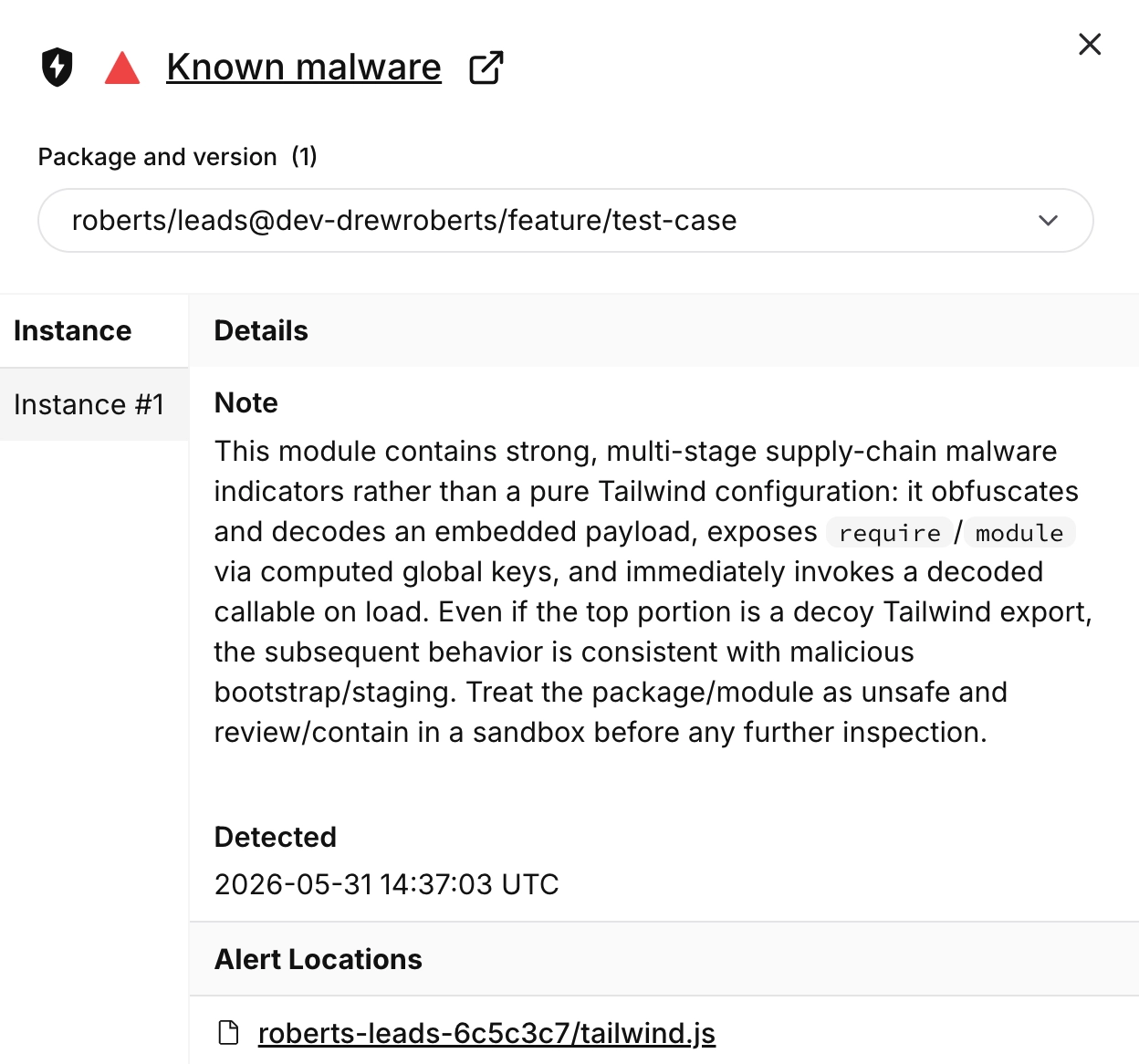
North Korean Group Famous Chollima Compromises Packagist Package to Target PHP Developers
A cybersecurity threat report detailing how the threat actor group "Famous Chollima" (linked to North Korea) targeted PHP developers by comp
 hendryadrian.com·2h ago
CentOS Stream vs AlmaLinux vs Rocky Linux vs Oracle Linux: A VPS Hosting Comparison
This article compares four Linux distributions—CentOS Stream, AlmaLinux, Rocky Linux, and Oracle Linux—as alternatives for VPS hosting follo
 blog.radwebhosting.com·2h ago