





















New World screwworm fly infestation confirmed in Texas cattle for first time in over 50 years
By
John Hanna, Russ Bynum

Hot, fresh, and worth queueing round the block for.
Summary
The New World screwworm fly, a flesh-eating parasite, has been confirmed in south Texas for the first time in over 50 years, threatening the $113 billion U.S. cattle industry. The infestation was found in a 3-week-old calf in La Pryor, Texas, about 100 miles southwest of San Antonio. Federal and state officials had been working to prevent the parasite's spread from Mexico, where it appeared in late 2024 after being contained in Panama for years. The U.S. previously eradicated the pest by the early 1970s using sterile insect technique, and millions of sterile flies are now being released weekly to combat the outbreak.
Key quotes
· 5 pulledThe New World screwworm fly is threatening the $113 billion U.S. cattle industry for the first time in more than a half century.
The infestation was discovered in a single 3-week-old calf in La Pryor, Texas, about 100 miles (161 kilometers) southwest of San Antonio and 50 miles (80 kilometers) from the U.S.-Mexico border.
Federal and state officials had been working to keep the parasite from reaching Texas, home to $17 billion worth of the nation's cattle, making it the industry's
The U.S. eradicated the pest by the early 1970s by breeding sterile male flies and dropping swarms from planes to mate with wild females.
Millions are being released each week now.
You might also wanna read


Screwworm Parasite Returns to Texas After 60 Years of Eradication
Screwworms, a flesh-eating parasitic pest, have re-emerged in the United States after being declared eradicated over half a century ago. The
 Defector·5d ago
U.S. Closes Southern Border Ports to Livestock Trade Amid New World Screwworm Spread in Mexico
The U.S. Secretary Rollins has shut down southern border ports to livestock trade following the northward spread of New World Screwworm (NWS
 usda.gov·10mo ago
:max_bytes(150000):strip_icc()/pacific-crest-trail-norovirus-2-052926-bbd65cbea6244141a978550d389e4a7e.jpg)
Highly Contagious Vomiting Bug Spreading Across the U.S.: Report
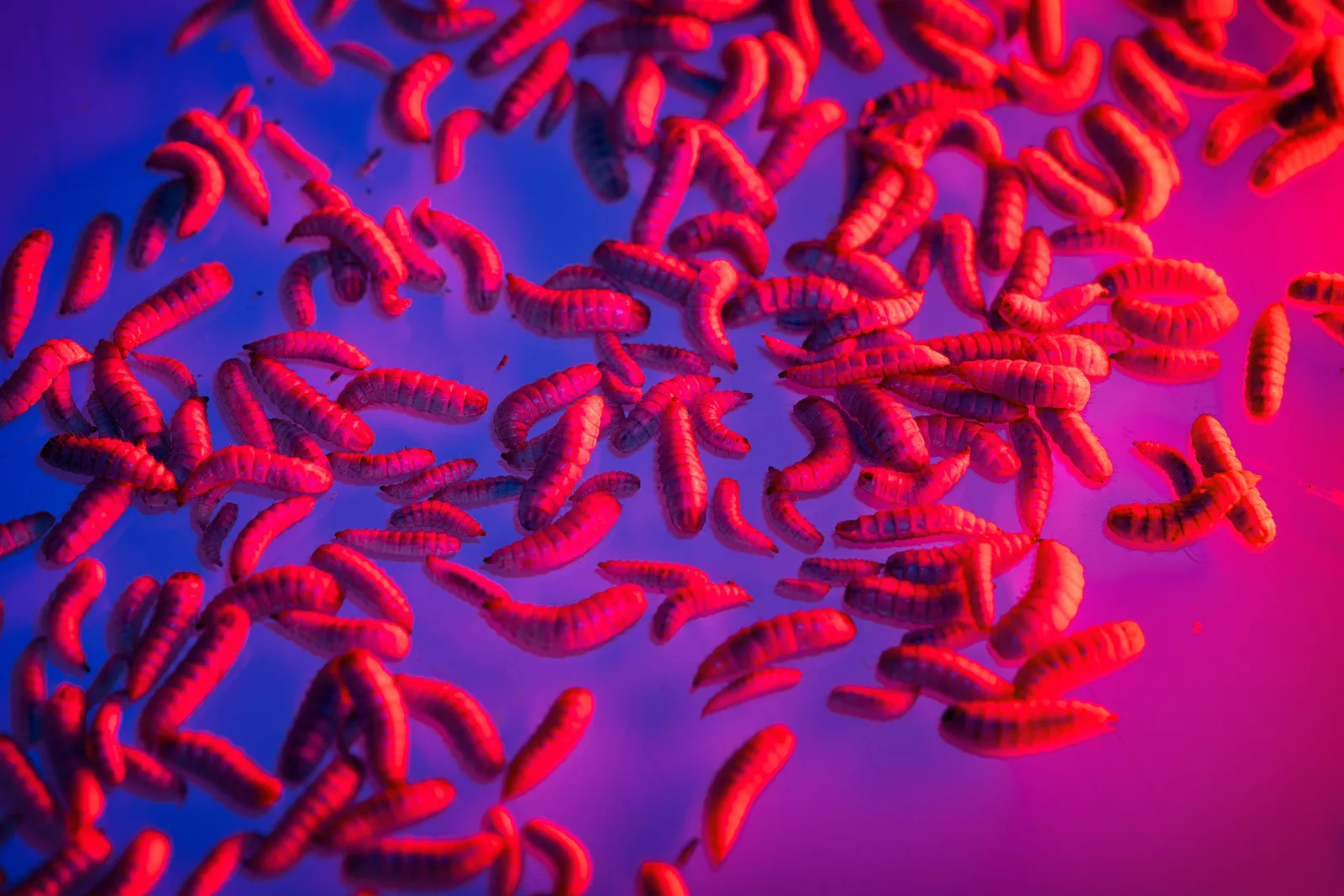
Black Soldier Fly Larvae: A Sustainable Protein Source with Potential for Human Consumption
The article explores black soldier fly larvae (maggots) as a highly efficient and sustainable protein source that could become a human super
 smithsonianmag.com·5mo ago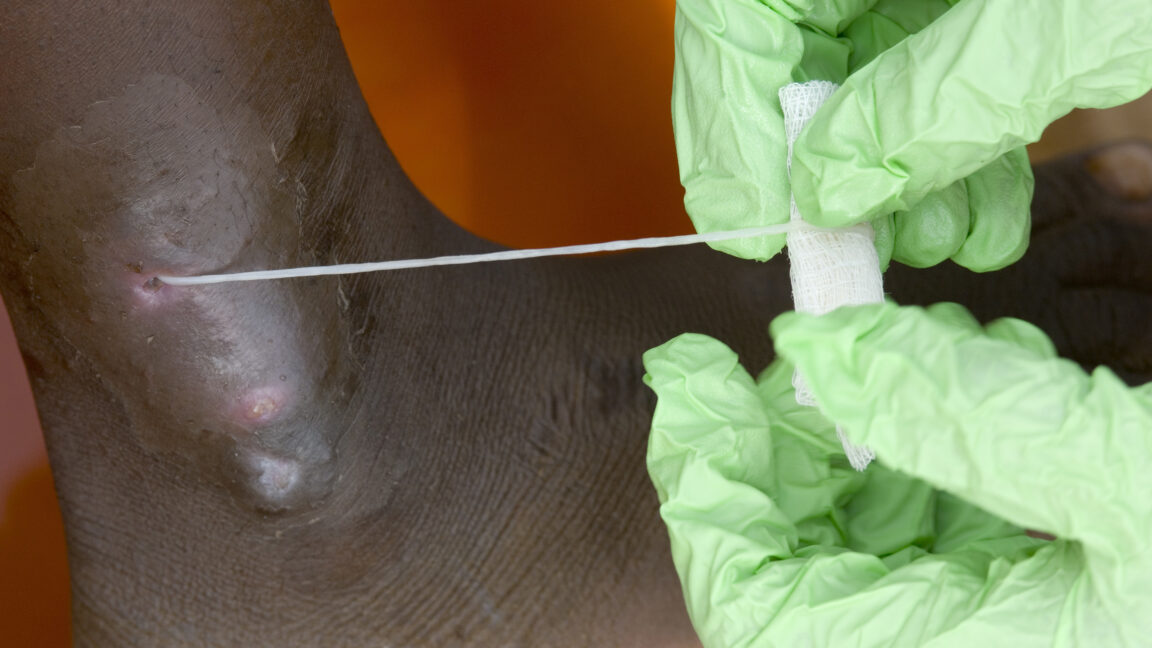
Guinea Worm Disease Nears Eradication with Only 10 Cases Reported Worldwide in 2025
The article reports that Guinea worm disease is nearing global eradication with only 10 human cases reported worldwide in 2025, according to
 arstechnica.com·4mo ago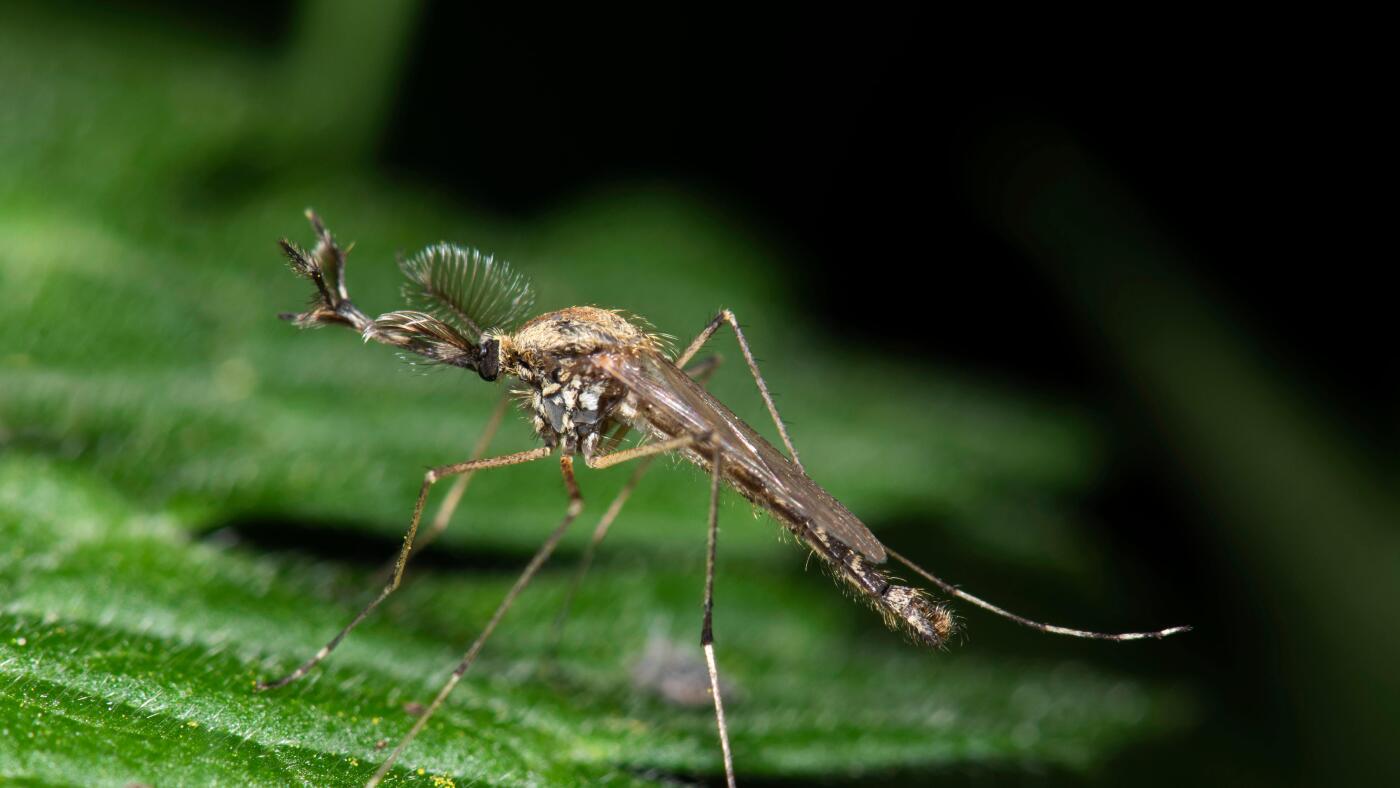
Mosquitoes Detected in Iceland for First Time, Likely Arrived via Freight
Iceland has recorded the presence of mosquitoes for the first time in its history, with three Culiseta annulata mosquitoes discovered and co
 npr.org·7mo ago