





















How a novel cave bacterium challenges our understanding of multicellularity evolution
By
Georgy Kurakin

Toasted golden, schmeared with insight. Top of the rack.
Summary
This article explores the evolution of multicellularity through the lens of a novel cave bacterium, Jeongeupia sacculi, which challenges existing classification frameworks. The author, an evolutionary bioinformatician, explains the two main types of multicellularity (clonal and aggregative) and discusses how this new discovery blurs the boundaries between them, potentially redefining our understanding of multicellular behavior in bacteria.
Key quotes
· 3 pulledFor a guy who loves nature, you'd think he'd be more into animals. When they have more than one cell, Jack sort of loses interest. ("Nim's Island")
We know two main types of multicellularity which until recently were enough to classify all bacterial multicellular-like behaviours. But a novel cave bacterium — Jeongeupia sacculi — is a discovery which goes beyond this framework and urges to redefine multicellularity
It is a fascinating topic which would need an entire book to explain (and maybe, I will even write such a book).
You might also wanna read

Applying Rademacher Complexity and Mean Field Approximations to Evolutionary Models of Group Selection
This article explores the intersection of machine learning concepts (Rademacher Complexity and mean field approximations) with evolutionary
 symmetrybroken.com·6mo ago
Lead Exposure May Have Limited Brain Development in Neanderthals, Study Finds
A new study from UC San Diego researchers reveals that Neanderthals and other extinct hominids had high levels of lead exposure, which may h
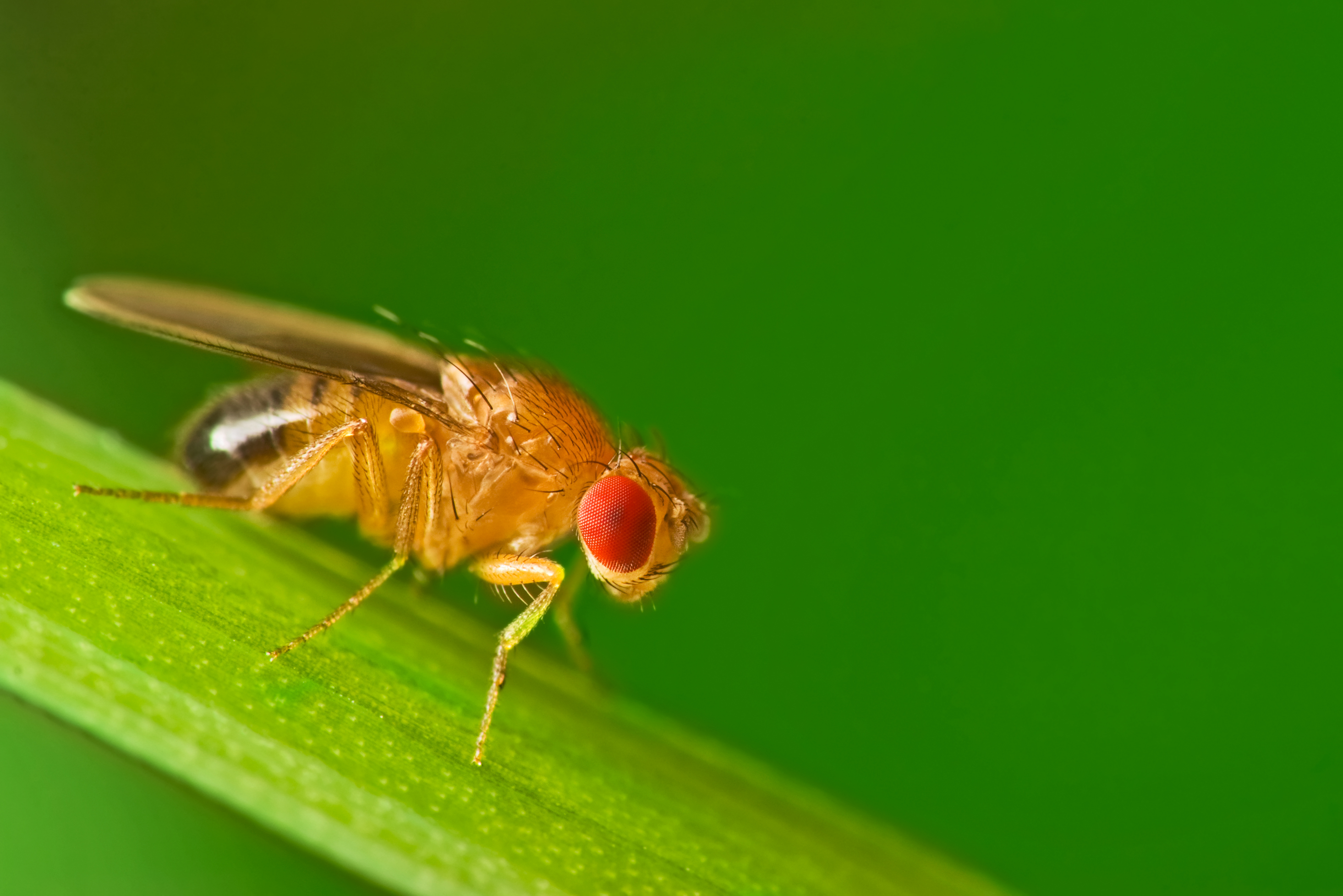
Stanford fruit fly study reveals 'dominance reversal' in genes, challenging classic genetic models
Stanford researchers tracked fruit fly populations in an outdoor orchard with controlled pesticide exposure, providing the first direct evid
 news.stanford.edu·8mo ago
Evolutionary Research Reveals Species Diversify Through Sudden Bursts Rather Than Gradual Change
New evolutionary research reveals that species evolution occurs through sudden bursts of rapid change immediately after lineage splits, rath
 quantamagazine.org·9mo ago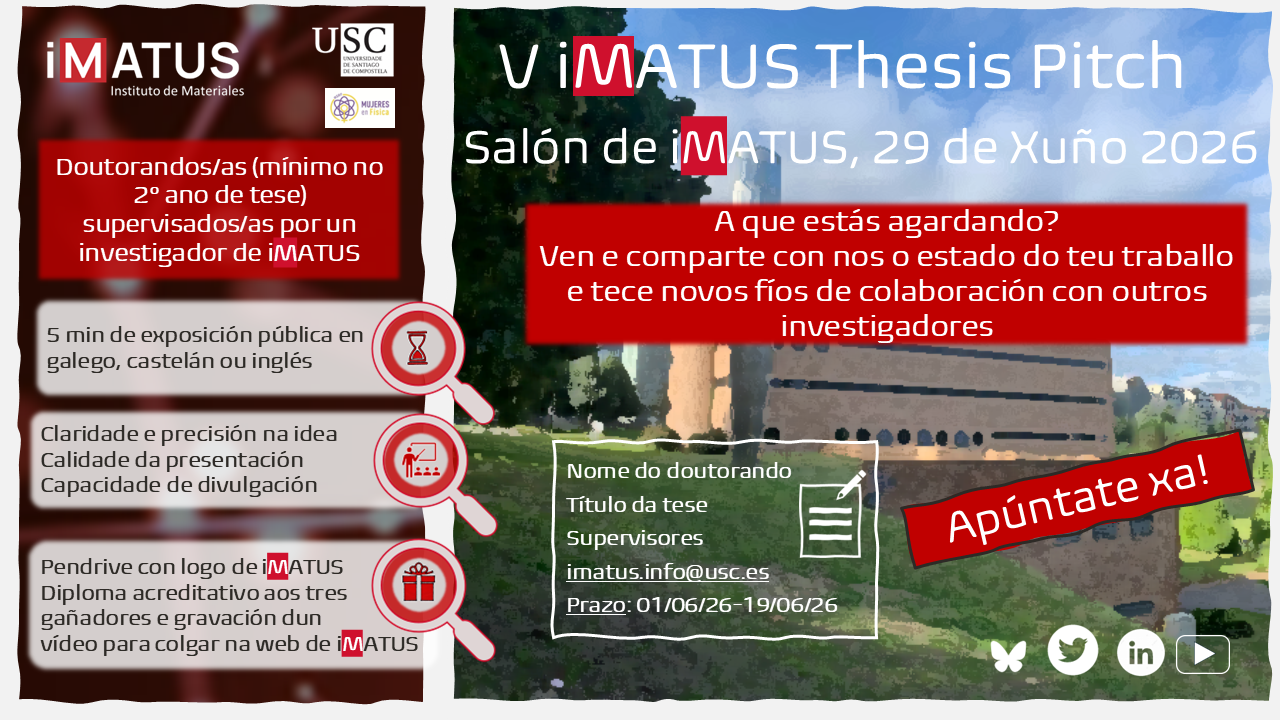
iMATUS anuncia a quinta edición do seu Thesis Pitch para doutorandos en xuño de 2026
O iMATUS organiza a quinta edición do iMATUS Thesis Pitch, un evento onde estudantes de doutoramento vinculados ao instituto presentan a súa
 imatus.usc.es·55m ago
Lightning's temperature is roughly five times hotter than the Sun's surface, NOAA confirms
This article examines the claim that lightning heats the air to five times the temperature of the Sun's surface. It confirms that the US Nat
 spacedaily.com·5h ago