





















What the CE Mark Means on Electronics and Products Sold in Europe
By
Zohaib Ahmed

Fresh out the oven, still warm. Top of the tray.
Summary
The article explains the CE (Conformité Européenne) mark found on electronics and other products sold in the European Economic Area. It covers what the mark signifies (manufacturer's declaration that the product meets EU health, safety, and environmental standards), how products are tested (self-declaration vs. third-party notified bodies), the legal requirements for placing products on the EU market, and the risks of counterfeit CE marks on fake or substandard products like chargers. The piece serves as an educational guide for consumers and businesses navigating EU product compliance.
Key quotes
· 4 pulledFlip over almost any gadget in your house — let's skip the washing machine for your own safety — and you'll likely see a small CE symbol somewhere on the casing.
The CE marking is a declaration by the manufacturer that the product meets all applicable EU regulations.
Not all products require third-party testing. For many items, manufacturers can self-declare conformity.
Fake CE marks are a real problem. Counterfeit chargers with bogus CE labels can pose serious safety risks.
You might also wanna read


EU Adopts New Rules to Prevent Destruction of Unsold Textiles and Footwear
The European Commission has adopted new rules under the Ecodesign for Sustainable Products Regulation to prevent the destruction of unsold a
 environment.ec.europa.eu·3mo ago
European Cities and Organizations Warn Against Adopting US Vehicle Safety Standards in Trade Deal
European cities and civil society organizations warn that accepting US vehicle safety standards as part of a trade deal would endanger Europ
 etsc.eu·6mo ago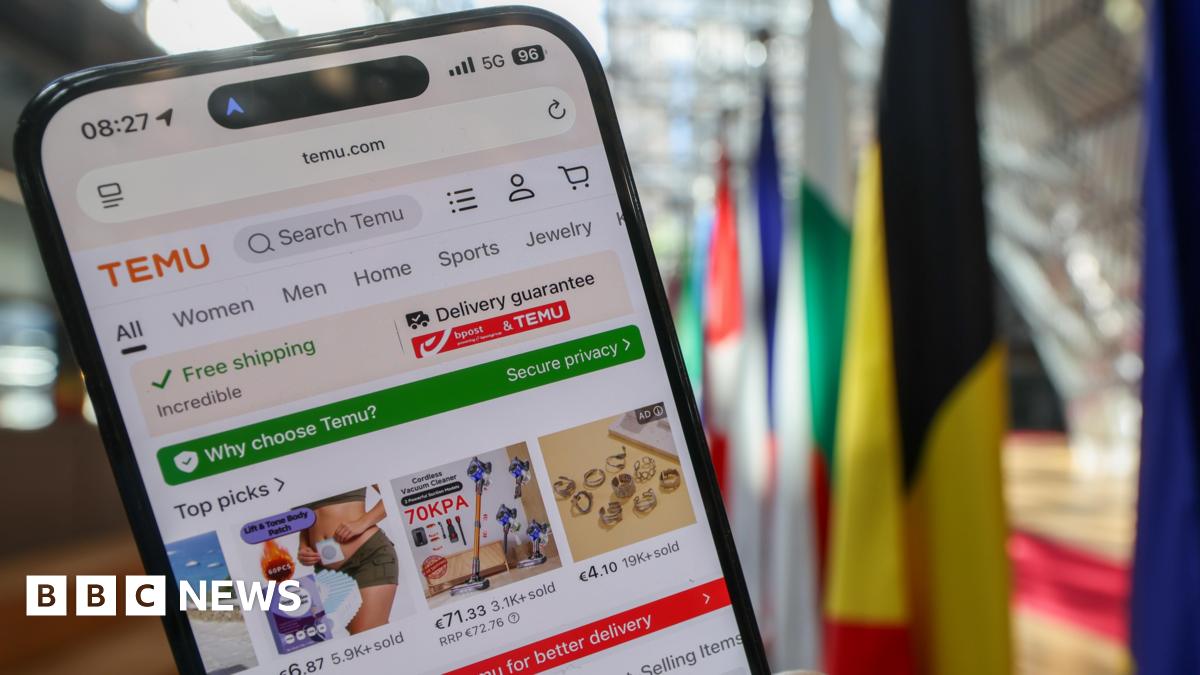
EU fines Temu €200 million over unsafe chargers and baby toys sold on its platform
The European Commission has fined Chinese-owned online retailer Temu €200 million for allowing the sale of unsafe products on its platform.
 bbc.co.uk·17d ago
EU rules for durable, energy-efficient and repairable smartphones and tablets

EU Batteries Regulation Enters Force to Promote Sustainable and Circular Battery Economy
The European Union's new Batteries Regulation has entered into force, establishing comprehensive rules to make batteries more sustainable, c
environment.ec.europa.eu·3mo ago
EU Commission Rules Temu Violates Digital Services Act Over Illegal Products
The European Commission has found Chinese e-commerce platform Temu in breach of the Digital Services Act (DSA) for failing to adequately ass
euronews.com·10mo ago