





















Video Games as Interactive Art: The Challenge of Critiquing Transformative Experiences
By
andsoitis

A baker's-dozen of insight crammed into one ring.
Summary
The article argues that video games are a unique form of art that differs fundamentally from traditional arts like film or literature. Their essence lies in interactivity and the transformation of the player's mind through gameplay, rather than passive consumption. This interactive nature makes meaningful criticism nearly impossible because the experience cannot be adequately described or captured through traditional media - the player must experience the transformation directly. The article positions video games as a 'strange art' that is both culturally dominant yet critically invisible outside its medium.
Key quotes
· 5 pulledVideo games are art. But they are a strange art.
They are an art without good art criticism, and they occupy a peculiar position in popular culture: universal and dominant, and yet almost invisible outside their medium.
Because the essence of a video game, which makes it more than a low-quality animated movie, is that it is interactive and requires the player to enact the plot. It transforms the player's mind.
Such transformations cannot be written down or filmed; if they could, they wouldn't need to be a video game.
This makes meaningful criticism nearly impossible—you can point at the moon, but it's not the moon, and once someone sees it, they no longer need the pointing.
You might also wanna read


Artist Creates Sculptures of Street Fighter II Characters' Defeated Expressions
Buenos Aires-based artist Kukso creates sculptures of Street Fighter II characters' defeated expressions, capturing the nostalgic moment of
 Creative Boom·2mo ago
Personal Reflection on Internet Misinformation and Obscure Interests
The article is a personal rant about the prevalence of misinformation on the internet, framed through the author's interest in obscure topic

The Art of Atari: Official Collection of 40+ Years of Video Game Artwork
The article describes 'The Art of Atari' book, which is the first official collection of Atari's artwork spanning over 40 years. It includes
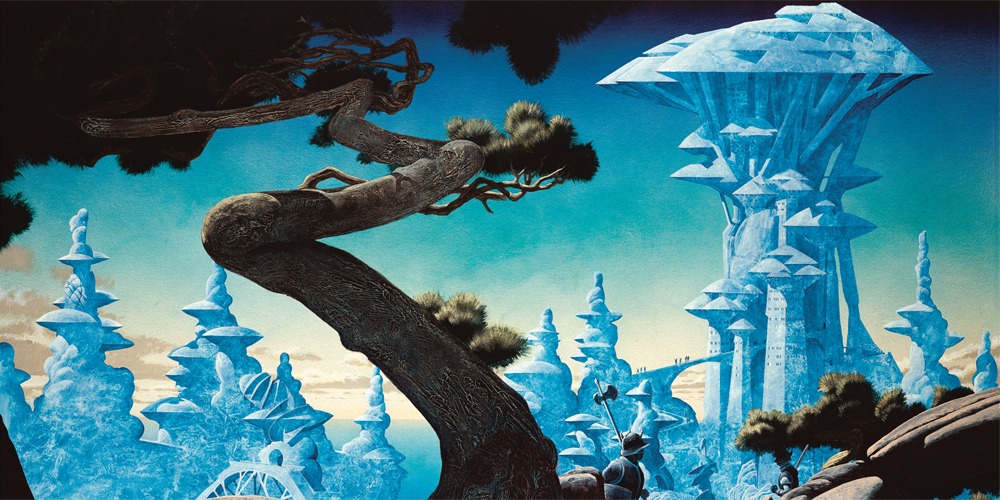
Roger Dean: The Artist Behind the Psygnosis Logo and Gaming's Visual Legacy
This article profiles legendary English artist Roger Dean, known for creating the iconic Psygnosis logo and his extensive career spanning vi

One Line: Casual Drawing Game Using Single Continuous Line
One Line is a casual drawing game where players create drawings using a single continuous line without lifting their finger or mouse. The ga
 Product Hunt·7mo ago
Exploring the Art and Making of Dune: Awakening
Dune: Awakening is a complex game set on the desert planet of Arrakis, inspired by Denis Villeneuve's film adaptation of Frank Herbert's nov
polygon·10mo ago