





















UTF-8 Encoding: A Brilliant Design for Character Representation and ASCII Compatibility
By
vishnuharidas

Crackling crust, pillowy middle. The kind of bagel that earns a second cup of coffee.
Summary
The article explores the brilliant design of UTF-8 encoding, highlighting how it efficiently represents millions of characters from various languages while maintaining backward compatibility with ASCII. The author expresses admiration for how UTF-8 uses 32 bits while preserving compatibility with the 7-bit ASCII system, calling it a well-thought-out solution that scales to accommodate diverse character sets without breaking existing systems.
Key quotes
· 3 pulledUTF-8 is a brilliant design to represent millions of characters from different languages and scripts, and still be backward compatible with ASCII
Designing a system that scales to millions of characters and still be compatible with the old systems that use just 128 characters is a brilliant design
UTF-8 uses 32 bits and the old ASCII uses 7 bits, but UTF-8 is designed in such a way that maintains compatibility
You might also wanna read

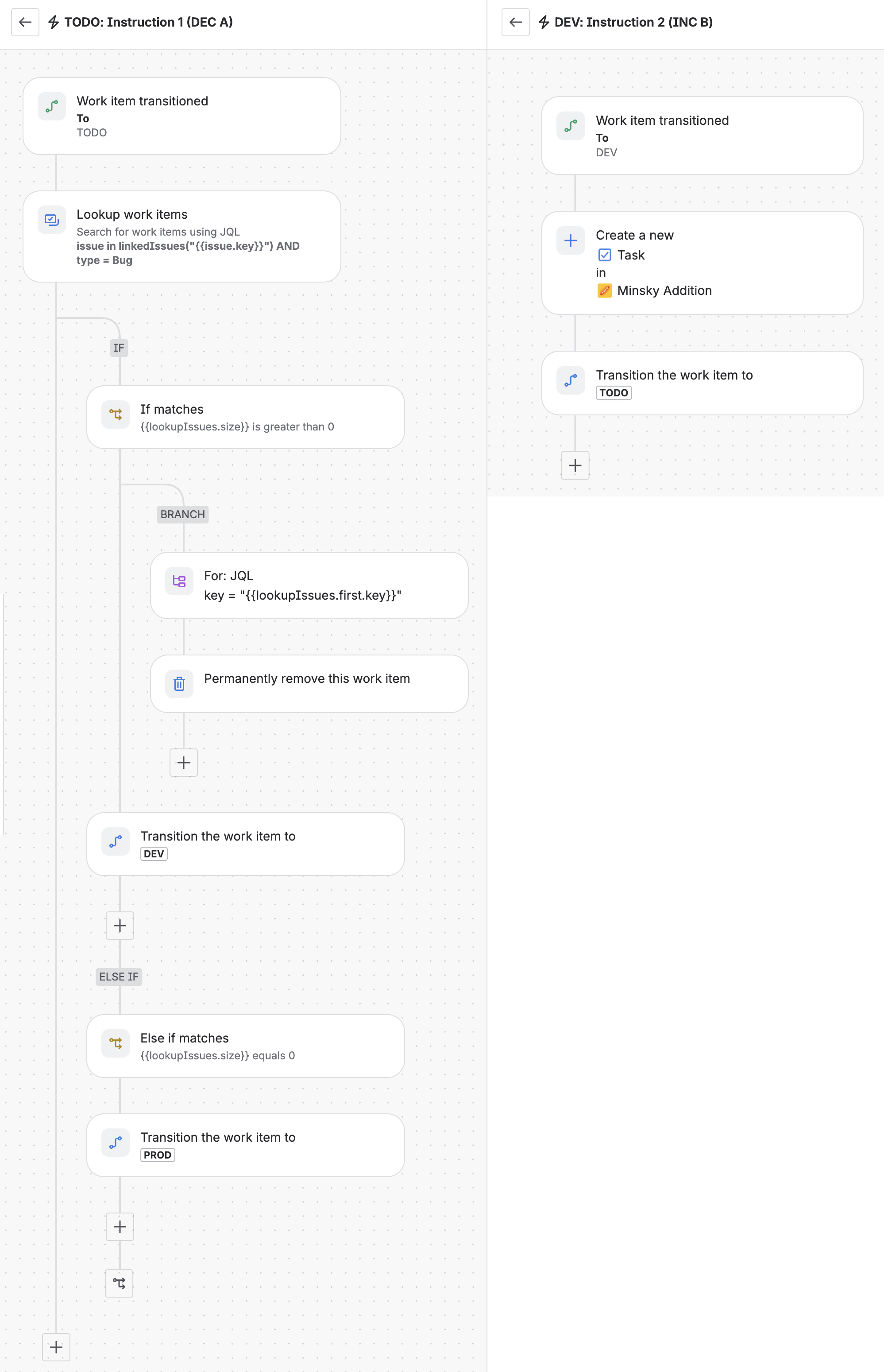
A Formal Proof That Jira Is Turing-Complete via Minsky Machine Implementation
This article provides a formal proof that Jira (Atlassian's project-tracking tool) is Turing-complete by demonstrating how to build a Minsky
A Formal Proof That Jira Is Turing-Complete via Minsky Machine Implementation
This article provides a formal proof that Jira (Atlassian's project-tracking tool) is Turing-complete by demonstrating how to build a Minsky
A Practitioner's Perspective on Program Analysis and Software Correctness
The article presents a practitioner's perspective on program analysis, reflecting on a decade-long journey to understand how to write correc
Compiler Determinism: Computer Science Theory vs. Engineering Reality
The article explores whether compilers are deterministic, presenting both computer science and engineering perspectives. The computer scienc

Re-examining the 'Billion Dollar Mistake': Why Null Pointers Are Not the Primary Memory Safety Problem
The article challenges the conventional wisdom about null pointers being a 'Billion Dollar Mistake' by Tony Hoare. It argues that null point
gingerbill.org·4mo agoCompiler Engineering Fundamentals: Defining What a Compiler Is
This article is the first part of a blog series called "Compiler Engineering in Practice" that aims to document practical compiler developme