





















Using Indices Instead of Pointers for Memory-Efficient Data Structures in Programming
By
vitalnodo

A baker's-dozen of insight crammed into one ring.
Summary
The article discusses a programming technique learned from Zig language creator Andrew Kelley, which involves using indices instead of pointers in data structures. This approach reduces memory usage, minimizes allocations, speeds up access, enables instant freeing, and generally improves performance. The technique is used in Zig's compiler for memory-efficient ASTs and represents a data-oriented design pattern that the author hasn't seen in other languages.
Key quotes
· 3 pulledThe trick is to use indices, not pointers.
It's an extremely simple trick which - when applied to a data structure - reduces memory usage, reduces memory allocations, speeds up accesses, makes freeing instantaneous, and generally makes everything much, much faster.
It's used in Zig's compiler to make very memory-efficient ASTs, and can be applied to many data structures.
You might also wanna read

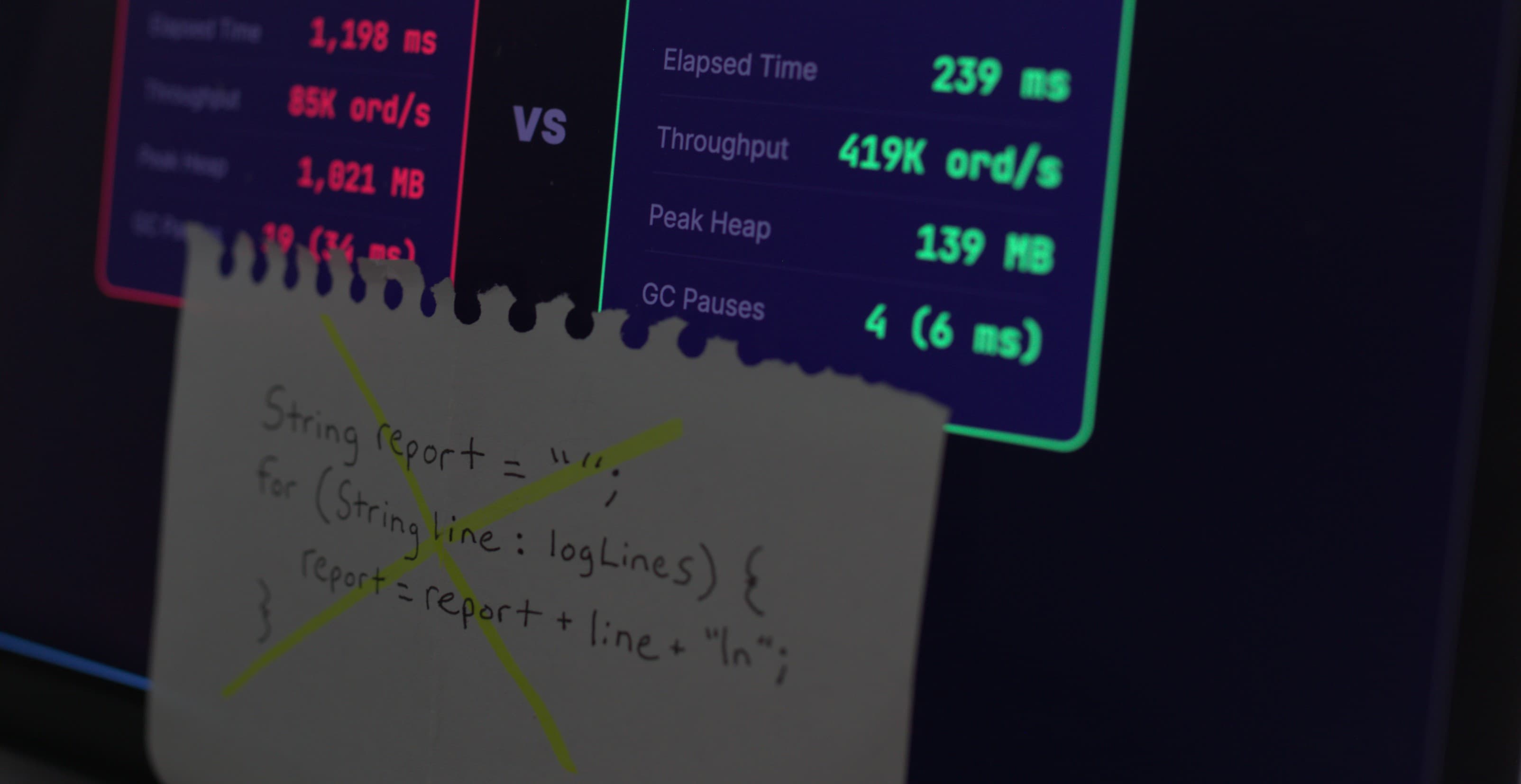
Java Performance Optimization: Fixing 8 Common Anti-Patterns to Reduce Processing Time by 80%
The article presents a case study of Java performance optimization where fixing common anti-patterns dramatically improved application perfo
 jvogel.me·2mo ago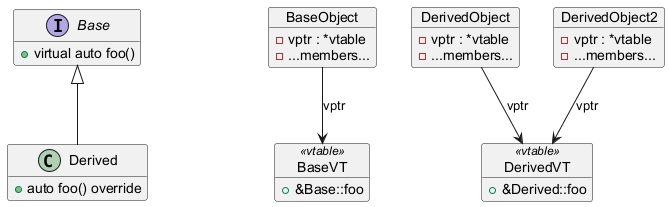
Performance Optimization: Replacing Virtual Dispatch with Static Polymorphism in C++
The article discusses performance issues with virtual dispatch in object-oriented programming and advocates for using static polymorphism as
 david.alvarezrosa.com·3mo ago
Performance Optimization: Achieving 20x Speedup by Removing Code in Rust Data Versioning Tool
A developer shares a performance optimization story where removing code led to a 20x speedup in their data versioning tool. The team at Oxen
 suriya.cc·3mo ago
Introducing tprof: A Targeted Profiler for Python Performance Optimization
The article introduces tprof, a targeting profiler for Python that addresses the inefficiency of traditional profilers when optimizing speci

Building memchunk: A High-Performance Text Chunking Library for RAG Pipelines Using SIMD and memchr
The article details the development of memchunk, a high-performance text chunking library for RAG (Retrieval-Augmented Generation) pipelines
 minha.sh·4mo ago
GitHub Repository: Fix for VLC Video Source Audio Stuttering and CPU Throttling on Low-End Devices
A GitHub repository containing code that fixes VLC Video Source audio stuttering and CPU throttling issues on low-end or older devices durin
 github.com·4mo ago