





















USB-C cables vary widely in speed, power, and features — certification is the key to avoiding disappointment
By
Dibakar Ghosh

Slow-proofed and worth the wait. Worth its weight in flour.
Summary
The article exposes how USB-C cables are not all created equal despite having the same physical connector. Many cables lack proper certification, fail to support full data transfer speeds, power delivery capabilities, or video output. The article explains the technical differences between USB-C cables (USB 2.0 vs 3.0/3.1/3.2/4, Thunderbolt, power delivery wattage), the problem of misleading marketing and counterfeit cables, and recommends that consumers look for certified cables (USB-IF certification, e-marker chips) and buy from reputable brands. The "only real solution" is to understand cable specifications and buy certified, properly labeled cables rather than assuming all USB-C cables are the same.
Key quotes
· 5 pulledThe USB-C connector is a masterpiece of engineering, but the ecosystem around it is a mess.
Just because a cable fits doesn't mean it will work the way you expect it to.
The only real solution is to buy certified cables from reputable manufacturers who clearly label what their cables can do.
Without an e-marker chip, your cable is essentially flying blind when it comes to power delivery negotiations.
The industry has created a situation where the average consumer has to become a USB standards expert just to buy a cable.
You might also wanna read

X-Ray Analysis Reveals Counterfeit FTDI USB Cable Components and Performance Issues
The article describes using an industrial X-ray machine to examine a suspicious FTDI USB-to-UART cable that was failing during firmware tran
 eclypsium.com·4mo ago
USB Standards Reference: Speeds, Names, and Cable Specifications
A technical reference article providing a USB standards cheat sheet, clarifying USB marketing names, signal speeds, wire counts, and cable l
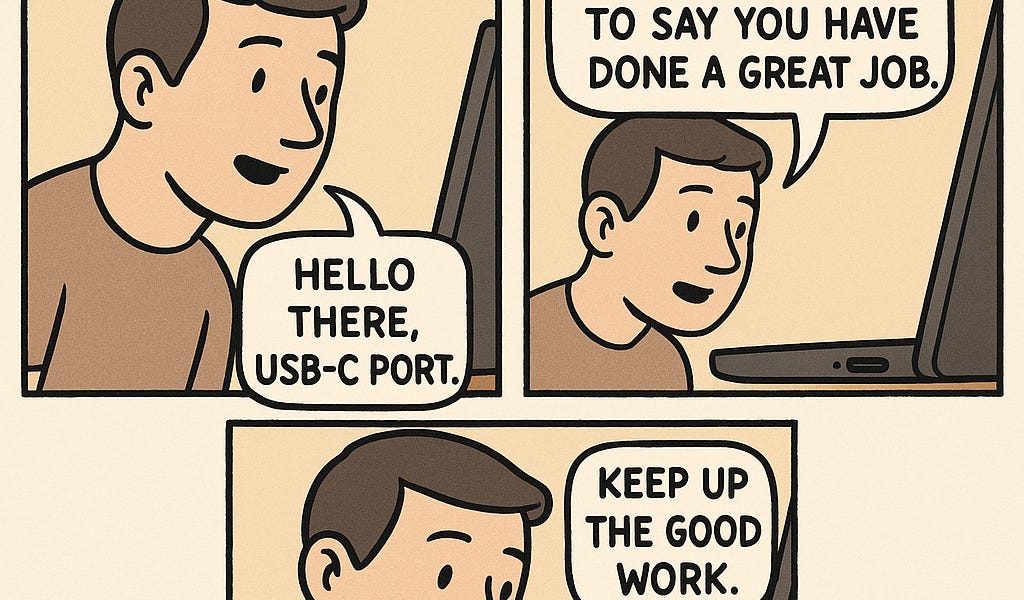
The Unexpected Versatility of USB-C: From Toasters to Monitors
The article humorously explores the unexpected versatility of USB-C, highlighting its ability to connect unconventional devices like toaster
 worksonmymachine.ai·10mo ago
Exploring the Versatility of USB-C Technology
The article discusses the unexpected versatility of USB-C technology, highlighting unconventional uses like connecting a toaster to a monito
worksonmymachine.substack.com·11mo ago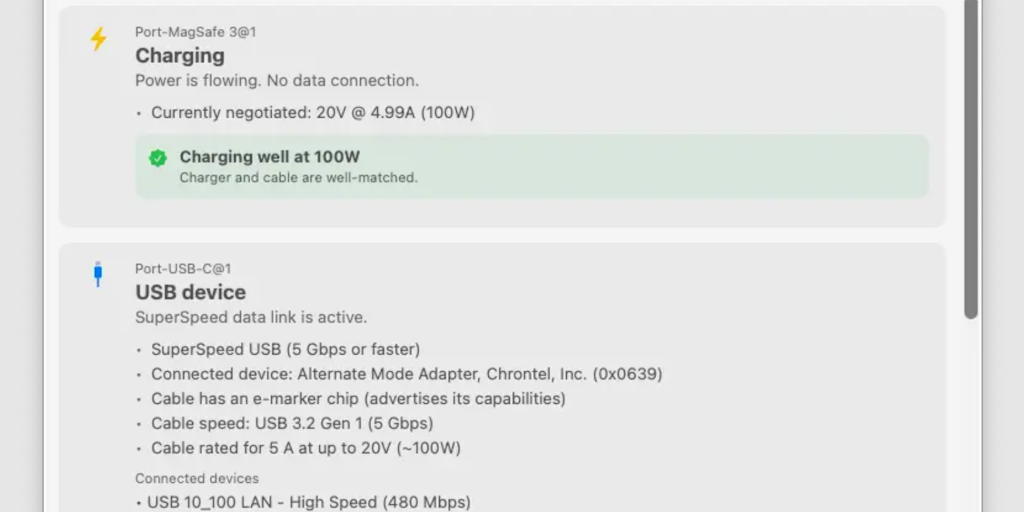
WhatCable: A Tool That Decodes USB-C Cable Capabilities in Plain English
WhatCable is a practical tool that helps users identify USB-C cable capabilities in plain English. It diagnoses whether the cable, charger,
 Product Hunt·21d ago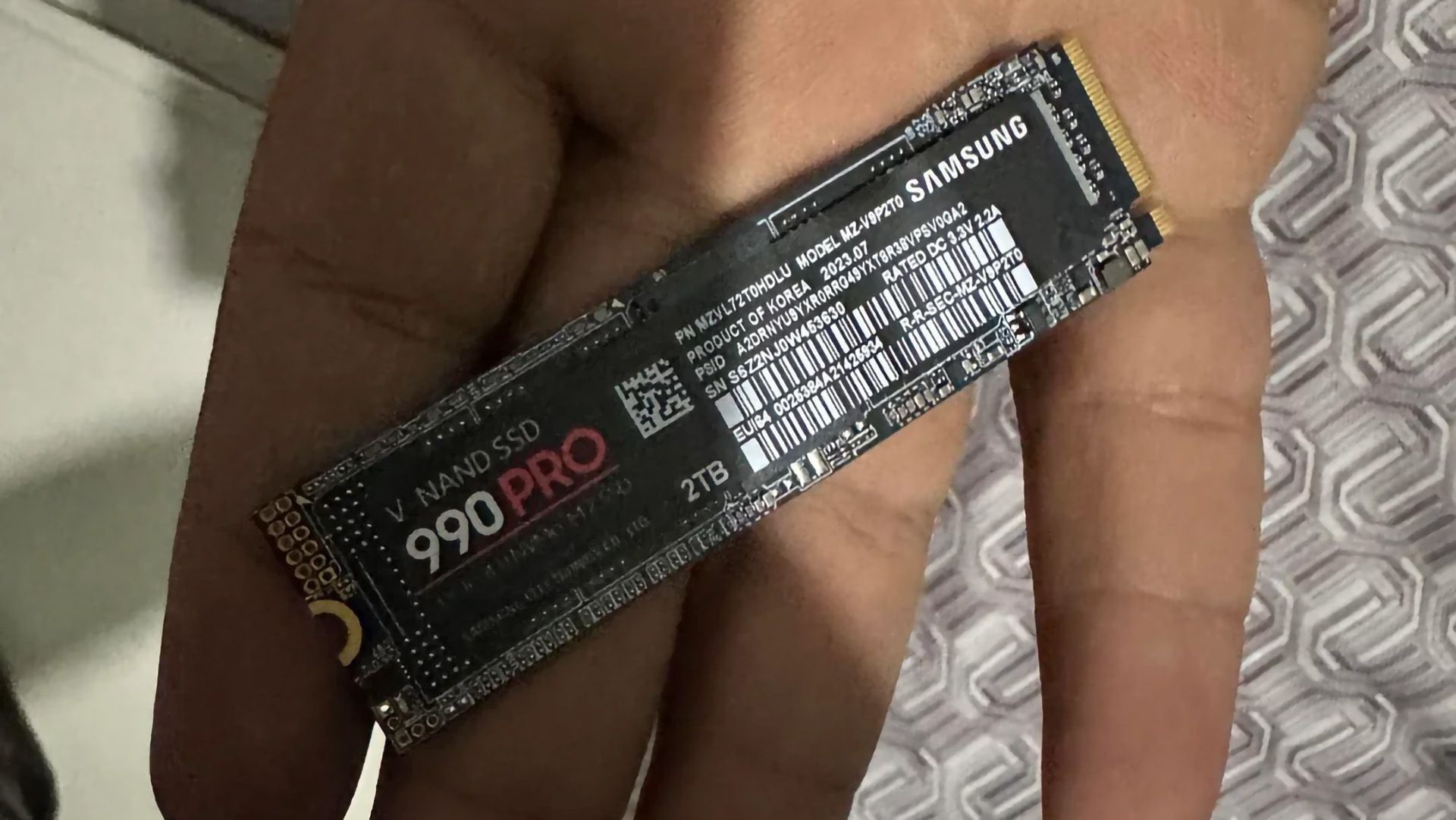
Counterfeit Samsung 990 Pro SSD passes basic checks but performs worse than USB 2.0 drive
A Reddit user purchased a counterfeit Samsung 990 Pro SSD that passed basic system checks but performed extremely poorly, running slower tha
 tomshardware.com·4mo ago