





















Understanding the Wick Effect: How Clothing Can Fuel a Human Body Fire
By
praash

Sesame, salt, and substance. A flagship bake.
Summary
The wick effect is a phenomenon where a human body can be partially or totally destroyed by fire, with the victim's clothing acting like a candle wick by soaking up melted human fat. This theory suggests that the body can continue burning due to its own fats under specific conditions.
Key quotes
· 2 pulledThe wick effect is a phenomenon that is found to occur under certain conditions.
The clothed human body acts like an 'inside-out' candle, with the fuel source (human fat) inside and the wick (the clothing of the victim) outside.
You might also wanna read

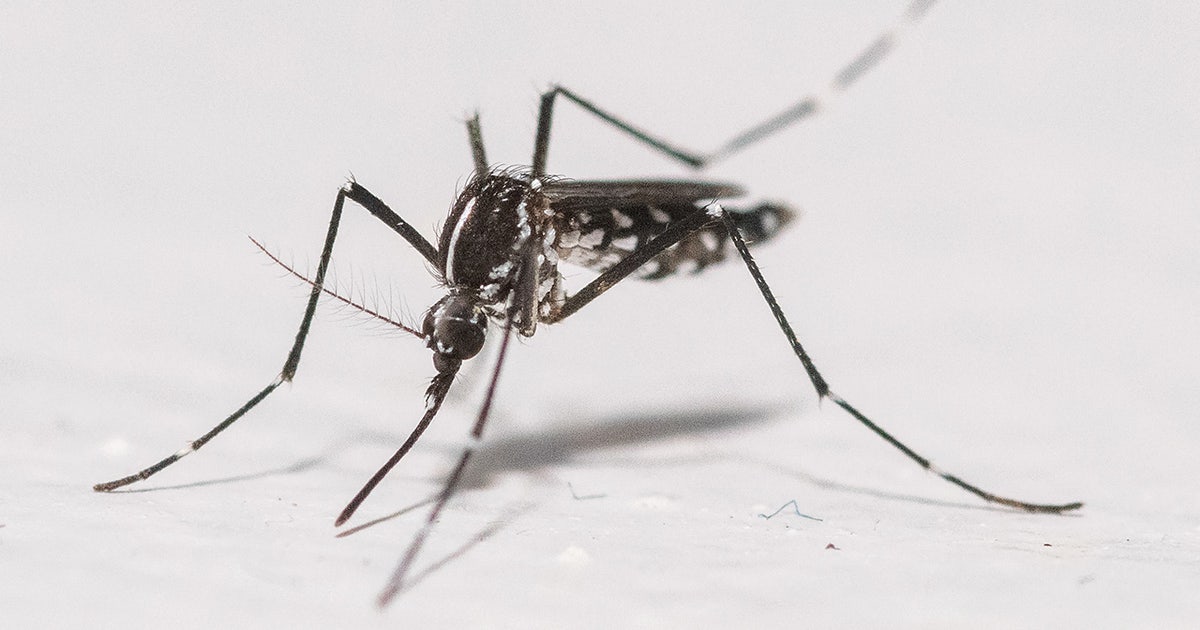
Google's Debug program seeks EPA approval to release 64 million modified mosquitoes in California and Florida
Google's Debug program plans to release up to 64 million genetically modified "good" mosquitoes in California and Florida over two years to
 bit.ly·41m ago
Researchers develop phage-based preventive treatment for newborn meningitis caused by E. coli K1
Researchers from the Biozentrum, University of Basel, and ETH Zurich have developed a novel preventive treatment for newborn meningitis caus
 biozentrum.unibas.ch·1h ago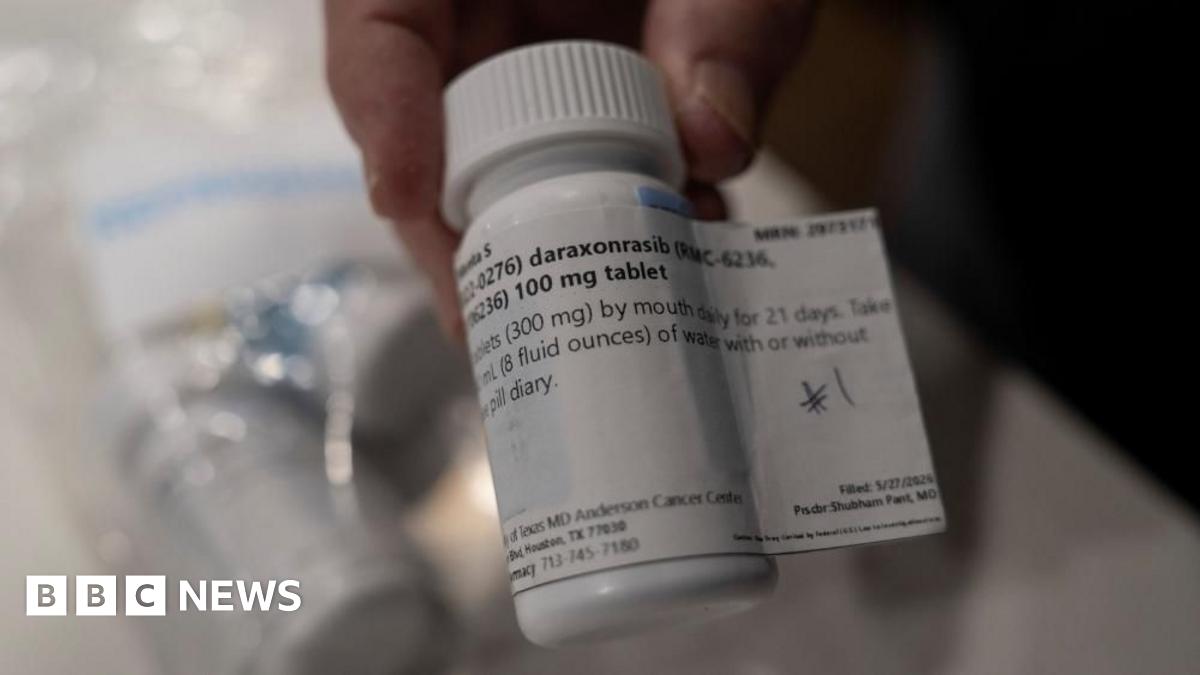
Daily pill daraxonrasib doubles survival for metastatic pancreatic cancer patients with KRAS mutation
A new daily pill called daraxonrasib has been shown to double survival time for metastatic pancreatic cancer patients with a KRAS mutation.
 bbc.co.uk·4h ago
Exploring the science behind quantum effects in healthcare: separating research from pseudoscience
The article explores the intersection of quantum physics and healthcare, distinguishing between pseudoscientific "quantum therapies" and leg
 newscientist.com·5h ago
Experimental pill daraxonrasib nearly doubles survival time in advanced pancreatic cancer trial
A novel experimental pill called daraxonrasib has shown promise in extending survival for patients with advanced pancreatic cancer. The drug
 chicagotribune.com·6h ago
Experimental pill daraxonrasib nearly doubles survival time in advanced pancreatic cancer trial
A novel experimental pill called daraxonrasib has shown promise in extending survival for patients with advanced pancreatic cancer. The drug
chicagotribune.com·6h ago