





















Understanding the Four Quadrants of Knowledge: Knowns and Unknowns
By
speckx

Pure flour-power. Hearty enough to carry you through lunch.
Summary
The article explores the concept of knowledge classification through the framework of 'known knowns,' 'known unknowns,' 'unknown knowns,' and 'unknown unknowns.' The author introduces this as the 'knowledge quadrant' concept, tracing its origins from 1990s group therapy practices to its popularization in public discourse. The piece examines how this framework helps understand different types of knowledge and ignorance, particularly focusing on the fourth quadrant of 'unknown unknowns' - things we don't know we don't know.
Key quotes
· 4 pulledI was first introduced to the concept of 'known unknowns' and 'unknown unknowns' in a sort of pseudo-group therapy practice in the '90s
A decade or so later, the idea broke into the public imagination with 'There are unknown unknowns'
The idea is that, well, there are things you know, and things you don't know
I call it the knowledge quadrant
You might also wanna read


A.J. Ayer's Near-Death Experience: An Atheist Philosopher's Account of Clinical Death
This article features British atheist philosopher A.J. Ayer's account of his near-death experience, originally published in The Sunday Teleg
 philosopher.eu·1mo ago
Philosophical Quiz: Exploring German and Autistic Thinking Patterns
This article presents a philosophical quiz that humorously explores the question of whether one is 'German' or 'Autistic,' framing it as a d

Introduction to Stoic Philosophy: Origins, Core Principles, and Modern Relevance
This article provides a comprehensive introduction to Stoic philosophy, explaining its origins, core principles, and modern relevance. It co
 stoacentral.com·3mo ago
The Cognitive Trade-off: How Technology and AI Are Changing Human Thinking Patterns
This blog post by Erik Johannes Husom explores the philosophical and practical implications of outsourcing cognitive processes to technology
 erikjohannes.no·4mo ago
Stoicism: A Practical Philosophy for Resilience and Happiness in Adversity
The article challenges common misconceptions about Stoicism, arguing that it's not about grim endurance or passive suffering but rather a pr
 aeon.co·4mo ago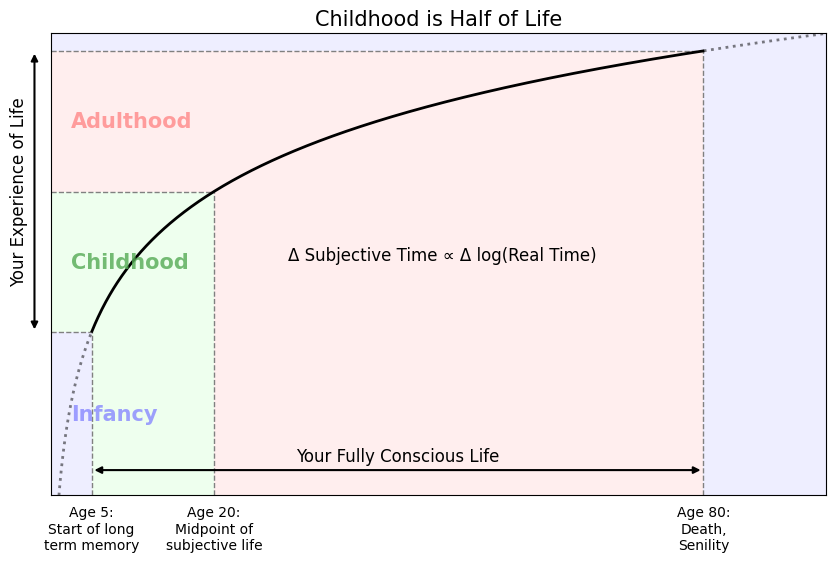
The Logarithmic Perception of Time: How Childhood Dominates Our Subjective Life Experience
The article explores the subjective experience of time across different life stages, proposing that we perceive time logarithmically rather
 moultano.wordpress.com·5mo ago