





















Understanding the Complexity of Nuclear Physics: The Liquid Drop Model
By
gone35

Pure flour-power. Hearty enough to carry you through lunch.
Summary
The article discusses the complexity of nuclear physics compared to atomic physics, focusing on the strong force, nucleons, and quantum mechanics. It mentions the 'liquid drop model' introduced by George Gamow in 1930.
Key quotes
· 3 pulledNuclear physics is complicated compared to atomic physics, because the strong force is complicated compared to the electromagnetic force.
They resemble elastic bags that attract each other.
To begin to understand such a complex thing as a nucleus, people started with approximate models.
You might also wanna read

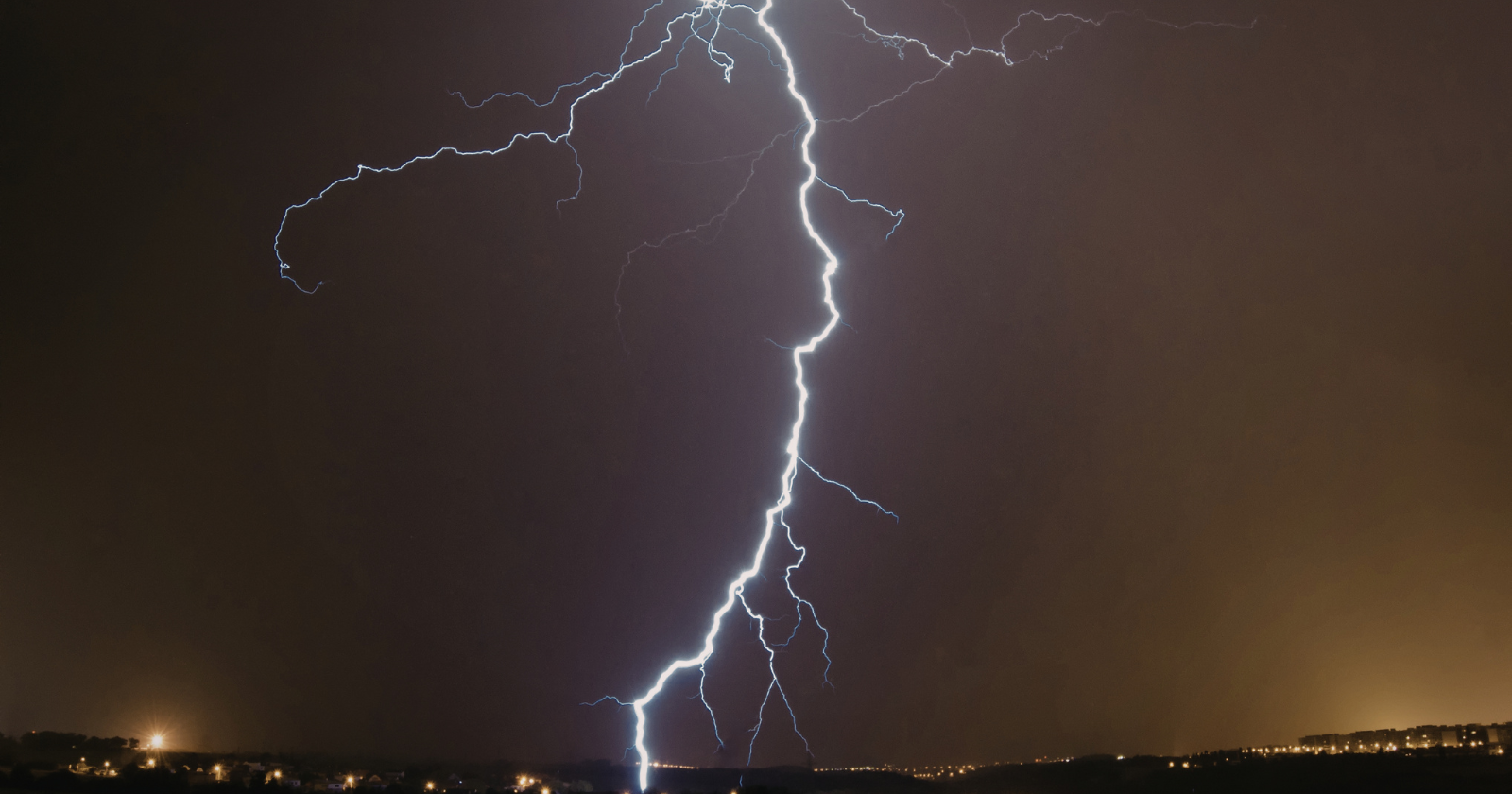
Lightning's temperature is roughly five times hotter than the Sun's surface, NOAA confirms
This article examines the claim that lightning heats the air to five times the temperature of the Sun's surface. It confirms that the US Nat
 spacedaily.com·1h ago
Mathematicians challenge dark energy model, suggesting cosmic acceleration may arise naturally from Einstein's equations
A team of mathematicians challenges the long-standing dark energy model, arguing that the model it was designed to rescue was never mathemat
 earth.com·4h ago
Massachusetts invests $25M in MIT's new Quantum Systems Laboratory for quantum computing research
MIT is launching a Quantum Systems Laboratory in Cambridge, backed by a $25 million state investment from Massachusetts. The facility aims t
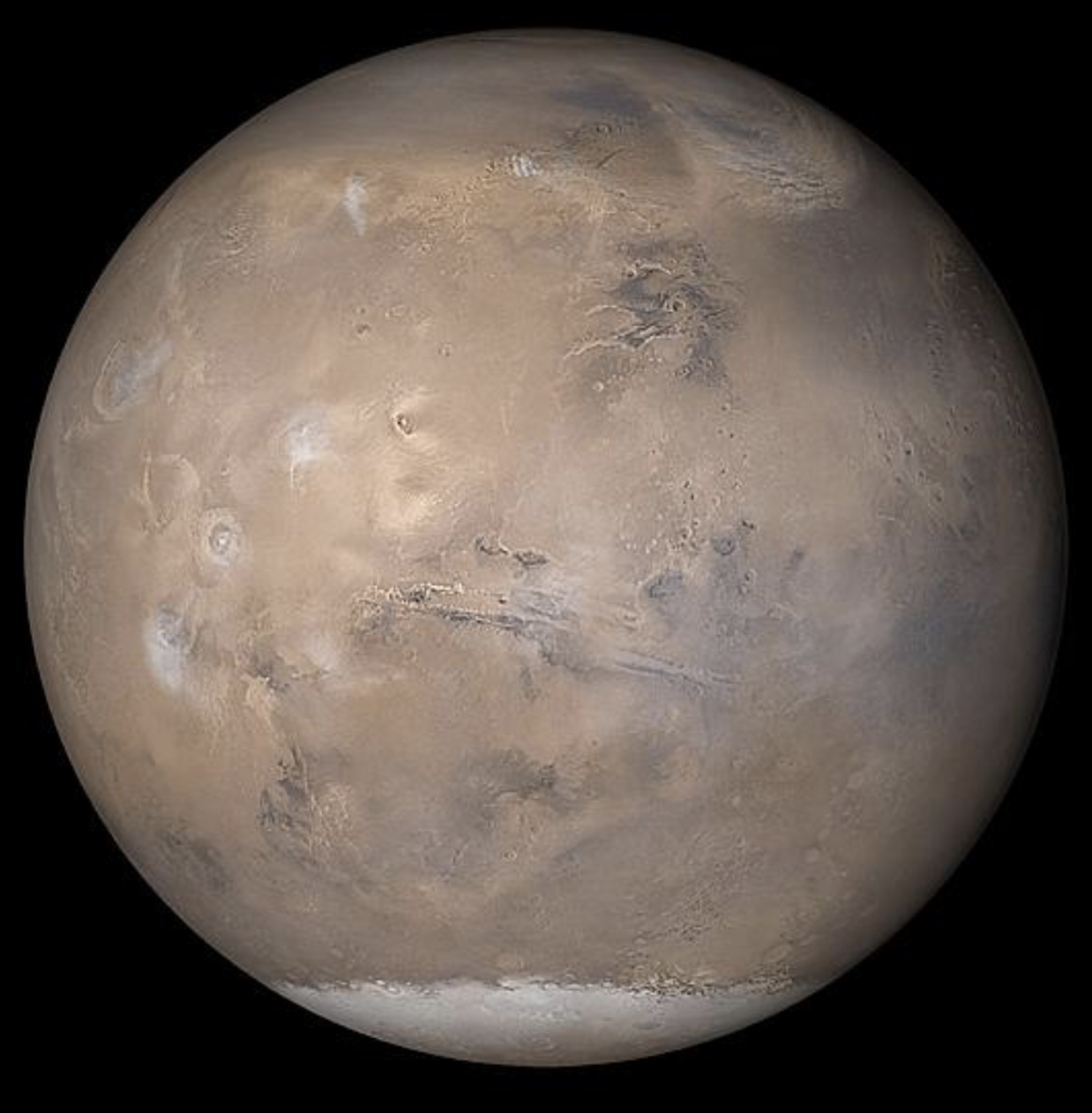
Viewing Mars as an Exoplanet: Lessons for Detecting Habitability from Afar
This scientific article explores what we could learn about Mars if we viewed it as an exoplanet—a distant world orbiting another star. The a
 astrobites.org·5h ago
2026 Peer Review Report Challenges Crisis Narrative, Calls for Evidence-Based Assessment
The 2026 Future of Peer Review Report challenges the prevailing narrative that peer review is in crisis. Based on eight years of ScholarOne
 silverchair.com·6h ago
Pedro Duque, Spain's first astronaut, reflects on his journey from childhood dreams to space and analyzes the Artemis II mission
Profile and interview with Pedro Duque, Spain's first astronaut, who recounts his journey from watching the 1969 Moon landing as a child in
 20minutos.es·9h ago