





















Understanding Mental Models: Simplified Frameworks for Better Decision Making
By
hahahacorn

Toasted golden, schmeared with insight. Top of the rack.
Summary
The article explains mental models as simplified frameworks for understanding complex systems and making better decisions. It describes mental models as tools that compress complexity into manageable chunks by highlighting key information while ignoring irrelevant details, similar to how maps work. The article provides examples of mental models like velocity (speed and direction), reciprocity (positive initiative), and margin of safety (planning for uncertainty), and emphasizes their use by intelligent people for decision-making, avoiding mistakes, and increasing productivity.
Key quotes
· 5 pulledA mental model is a simplified explanation of how something works.
Like a map, mental models highlight key information while ignoring irrelevant details. They're tools for compressing complexity into manageable chunks.
Mental models help us understand the world. For example, velocity shows that both speed and direction matter.
Reciprocity reveals how being positive and taking initiative gets the world to do most of the work for you.
Margin of Safety reminds us that things don't always go as planned.
You might also wanna read


Three communication habits of emotionally intelligent people, according to a Harvard-trained researcher
Article discusses three key communication habits of emotionally intelligent people based on insights from Harvard-trained researcher Dr. Jen
 cnb.cx·2d ago
How to build genuine confidence by learning to trust yourself
A personal essay exploring how to build genuine confidence, challenging common misconceptions about what confidence means. The author reflec
 theguardian.com·5d ago
Philosophical Quiz: Exploring German and Autistic Thinking Patterns
This article presents a philosophical quiz that humorously explores the question of whether one is 'German' or 'Autistic,' framing it as a d

The Value of Asking Unconventional Questions: How Curiosity Drives Understanding
The article explores the value of asking 'stupid' or unconventional questions, arguing that they can lead to deeper understanding, innovatio
 mathenchant.wordpress.com·2mo ago
Reflections on the Diminishing Experience of Deep, Sustained Thinking in Modern Life
The author reflects on the diminishing experience of deep, sustained thinking in modern life, contrasting it with the constant flow of infor
jernesto.com·3mo ago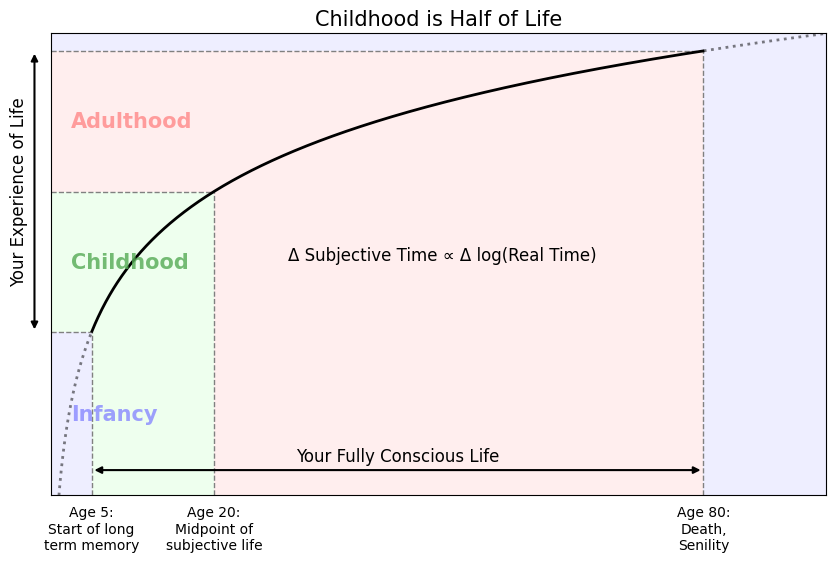
The Logarithmic Perception of Time: How Childhood Dominates Our Subjective Life Experience
The article explores the subjective experience of time across different life stages, proposing that we perceive time logarithmically rather
 moultano.wordpress.com·5mo ago