





















Understanding HTTP Request Methods: Safety, Idempotency, and Cacheability
By
aanthonymax

Toasted golden, schmeared with insight. Top of the rack.
Summary
The article explains HTTP request methods, categorizing them based on safety, idempotency, and cacheability. It provides a detailed table listing methods like GET, POST, PUT, and DELETE, along with their properties. The content also clarifies that POST and PATCH are conditionally cacheable under specific conditions.
Key quotes
· 3 pulledHTTP defines a set of request methods to indicate the purpose of the request and what is expected if the request is successful.
Each request method has its own semantics, but some characteristics are shared across multiple methods, specifically request methods can be safe, idempotent, or cacheable.
POST and PATCH are cacheable when responses explicitly include freshness information and a matching Content-Location header.
You might also wanna read


WebSparks: An AI-Powered Tool for Building Web Applications Without Extensive Coding
WebSparks is an AI-powered software engineer that transforms ideas into fully functional web applications without requiring extensive coding
 innovirtuoso.com·20h ago
Joost de Valk publishes open Website Specification: 128 rules for modern, future-proof websites
Joost de Valk, creator of Yoast SEO, published the Website Specification (specification.website) — an open, platform-agnostic reference docu
 ppc.land·1d ago
ZX Spectrum BASIC interpreter rebuilt from scratch to run natively in web browsers
A developer has rebuilt the ZX Spectrum's BASIC interpreter from scratch to run in a web browser, without emulating the original Z80 hardwar
 boingboing.net·1d ago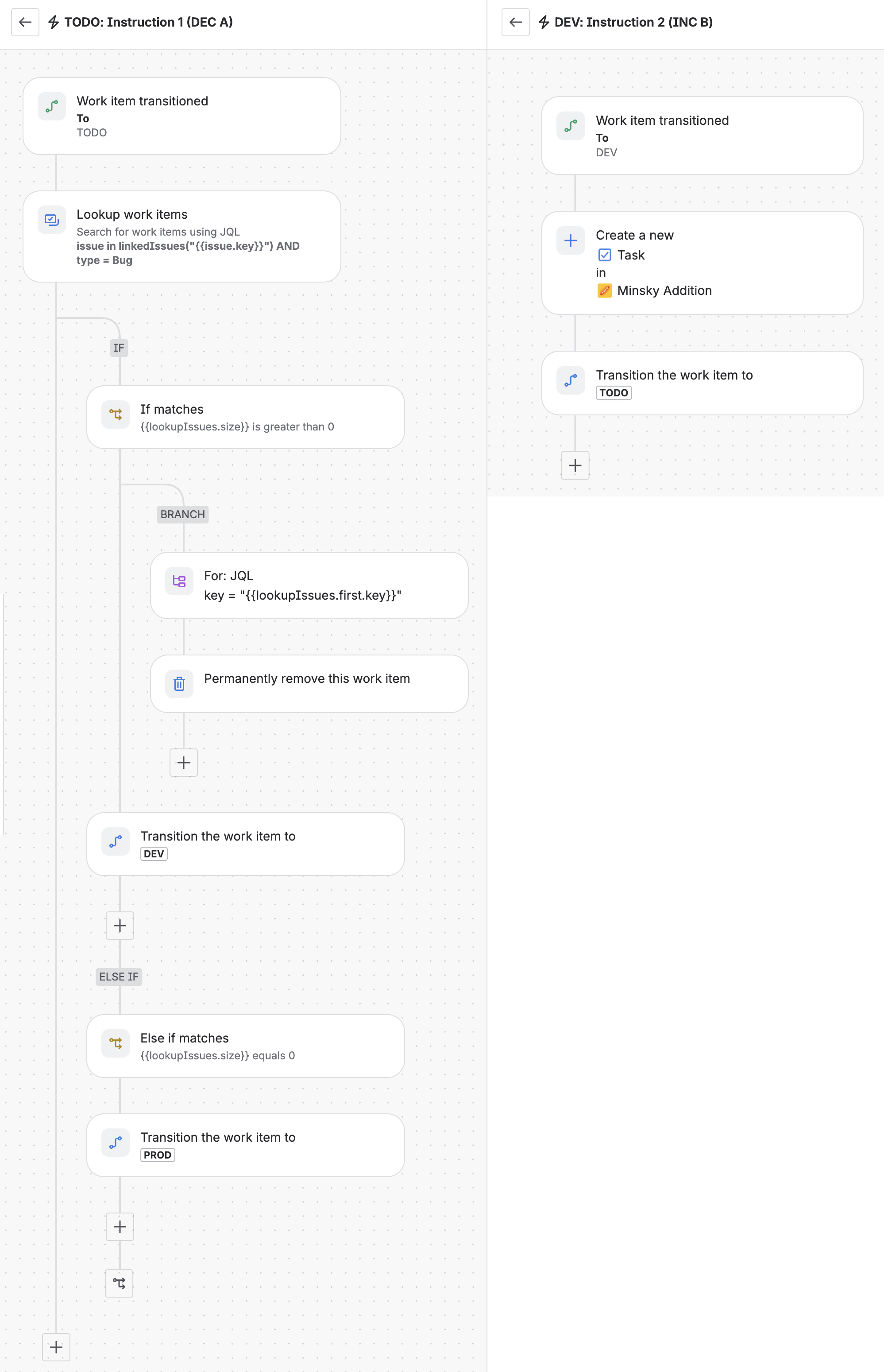
A Formal Proof That Jira Is Turing-Complete via Minsky Machine Implementation
This article provides a formal proof that Jira (Atlassian's project-tracking tool) is Turing-complete by demonstrating how to build a Minsky
A Formal Proof That Jira Is Turing-Complete via Minsky Machine Implementation
This article provides a formal proof that Jira (Atlassian's project-tracking tool) is Turing-complete by demonstrating how to build a Minsky

How to Set Up an Apache Reverse Proxy for an Ecommerce Website
This article provides a comprehensive, start-to-finish guide on setting up an Apache reverse proxy specifically for ecommerce websites. It c
 blog.radwebhosting.com·2d ago