





















Understanding Form Approaches in React and Next.js: UI Components vs. Rule Engines
By
[email protected] (Sunil Sandhu)

Crisp on the outside, thoughtful on the inside. A keeper.
Summary
This article explores the dual nature of forms in React and Next.js development, contrasting UI-focused forms with rule-engine forms. It discusses the common React developer mental model of treating forms as components and explains when this approach works well versus when forms need to function more like rule engines with complex business logic. The article provides guidance on choosing between these two approaches based on the specific requirements of different types of forms in web applications.
Key quotes
· 5 pulledSome forms stay UI, while others quietly become rule engines.
There's a mental model most React developers share without ever discussing it out loud. That forms are always supposed to be components.
For the vast majority of forms — your login screens, your settings pages, your CRUD modals — this works really well.
But every once in a while, a form st...
Here's why these two different approaches exist and how to choose between them.
You might also wanna read

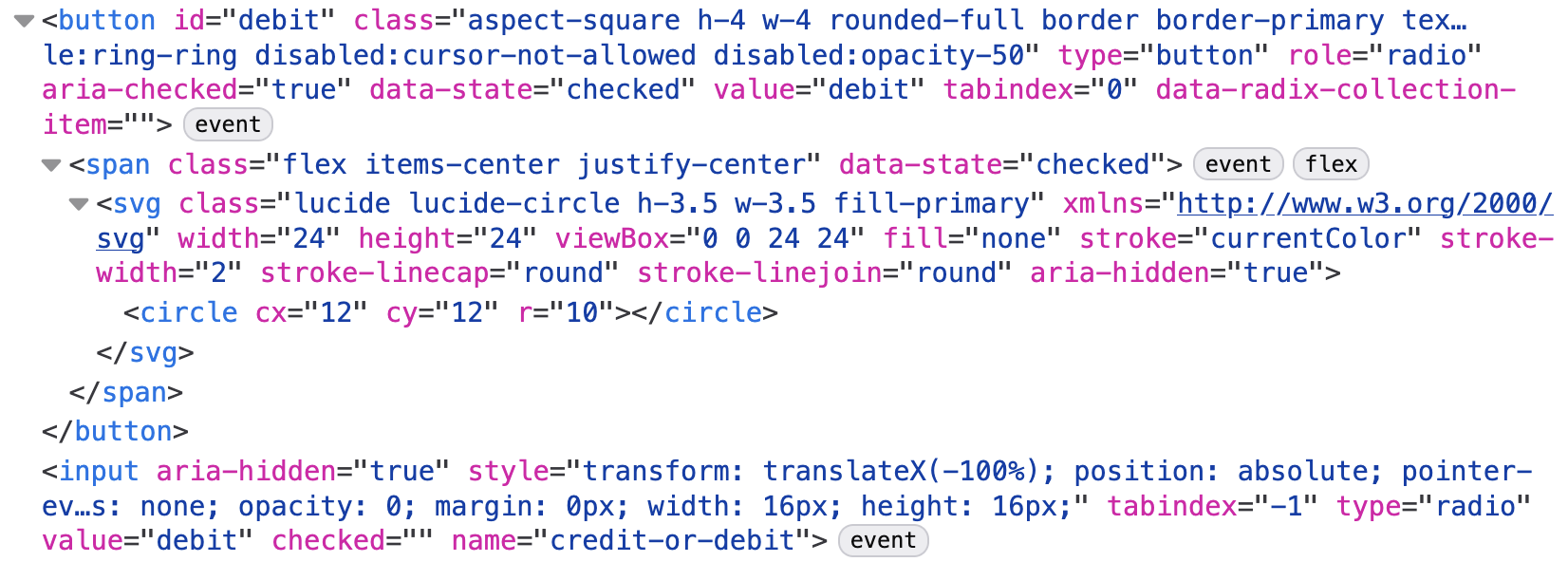
Critique of Overengineered Radio Button Components in Modern Web Development
The article critiques the overengineering of simple web components, specifically examining how Shadcn UI framework creates complex React com
 paulmakeswebsites.com·4mo ago
SmartStepper: React Component for Multi-Step Forms with State Management and Validation
SmartStepper is a powerful React component integrated with react-hook-form that simplifies the creation of multi-step forms, providing state
github.com·11mo ago