





















Understanding Endangered Languages: Why Identifying the Least Spoken Languages Is Complex
By
Emilie Zuniga, Ph.D.

Hot, fresh, and worth queueing round the block for.
Summary
This article from Duolingo's advice column explores the complex issue of identifying the world's least spoken languages, explaining why it's difficult to create a simple list. It discusses how language vitality is measured, the factors contributing to language endangerment, and why preserving linguistic diversity matters. The piece serves as an educational resource about language preservation and the challenges of tracking endangered languages.
Key quotes
· 3 pulledUnfortunately, identifying the 'least spoken language' isn't as simple as checking a list, especially since there are few resources or statistics available
Thousands of languages are fading fast. Here's why it matters
My last posts, on prepositions and the hardest languages to learn, highlighted how vibrant and varied human languages can be. But today, we're confronting what happens when that vibrancy declines
You might also wanna read


The Universal Nature of Slang: Why All Languages Develop Informal Expressions
This article explores the universal nature of slang across languages, examining why slang exists, its functions in communication, and why it
 Duolingo·6mo ago
Understanding the Global Diversity of Spanish Dialects and Regional Variations
This article explores the diversity of Spanish dialects spoken by over 400 million people across more than 20 countries. It examines how reg
 Duolingo·9mo ago
Exploring Rare and Unique Languages Worldwide
The article explores rare and unique languages from around the world, highlighting their distinct features and what sets them apart from mor
Duolingo·1y ago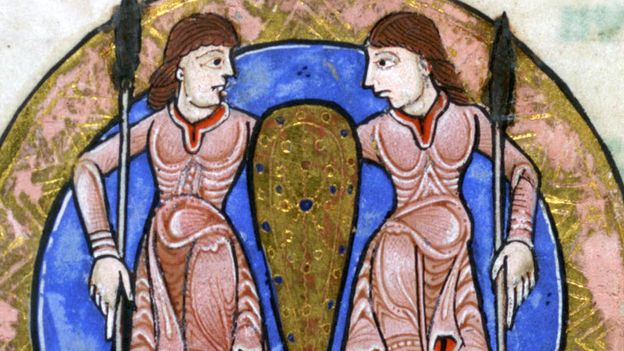
Lost Medieval English Pronouns: Exploring 'Wit' and the Dual Form for Intimacy
The article explores lost medieval English pronouns, particularly the dual form 'wit' meaning 'we two' in Old English, which was used to des
 bbc.com·1mo ago
Etymological Origins of the Days of the Week: From Norse Gods to Celestial Bodies
This article explores the etymological origins of the days of the week, tracing their names back to ancient gods, celestial bodies, and cult
 Duolingo·2mo ago
Understanding Grammatical Gender: Why Nouns Have Gender in Some Languages
This article explains the concept of grammatical gender in languages, addressing why nouns are classified as 'male' and 'female' in language
Duolingo·2mo ago