





















Transitioning from Windows Media Server to Unraid NAS Solution
By
cdrnsf

Lightly toasted, lightly seasoned, mostly correct.
Summary
The article discusses a user's experience transitioning from a Windows-based media server setup to Unraid, a Linux-based NAS solution. The author describes their initial struggles with managing external drives on Windows, failed attempts with Docker on Windows, and difficulties with other Linux systems due to steep learning curves and expensive hardware requirements. They found success with Unraid, which offered easier management, flexibility with mixed drive sizes, and better performance for their media library needs.
Key quotes
· 4 pulledI started out with a couple of external drives plugged into a windows machine that I ran headless in a cupboard for about 8 years.
I wanted to try Docker, but everything I tried with it on Windows was a failure.
I tried a few Linux based systems, but the learning curves were just too great and having to put expensive disk arrays together looked expensive and limiting.
Then I found Unraid and gave it a whirl. It's Linux based but with a web GUI that makes it easy to manage.
You might also wanna read


Software RAID Guide: Setup, Management, Monitoring, and Drive Recovery with mdadm on Linux
A comprehensive production-ready guide covering Software RAID setup, management, monitoring, and drive-failure recovery using Linux tools li
 blog.radwebhosting.com·9d ago
Windows Server Versions Available for Windows VPS Hosting
This article from Rad Web Hosting Blog discusses which Windows Server versions are available for Windows VPS hosting. It provides an overvie
blog.radwebhosting.com·12d agoSynology News - Synology® introduces RackStation RS1626xs+ designed to foster reliability and performance
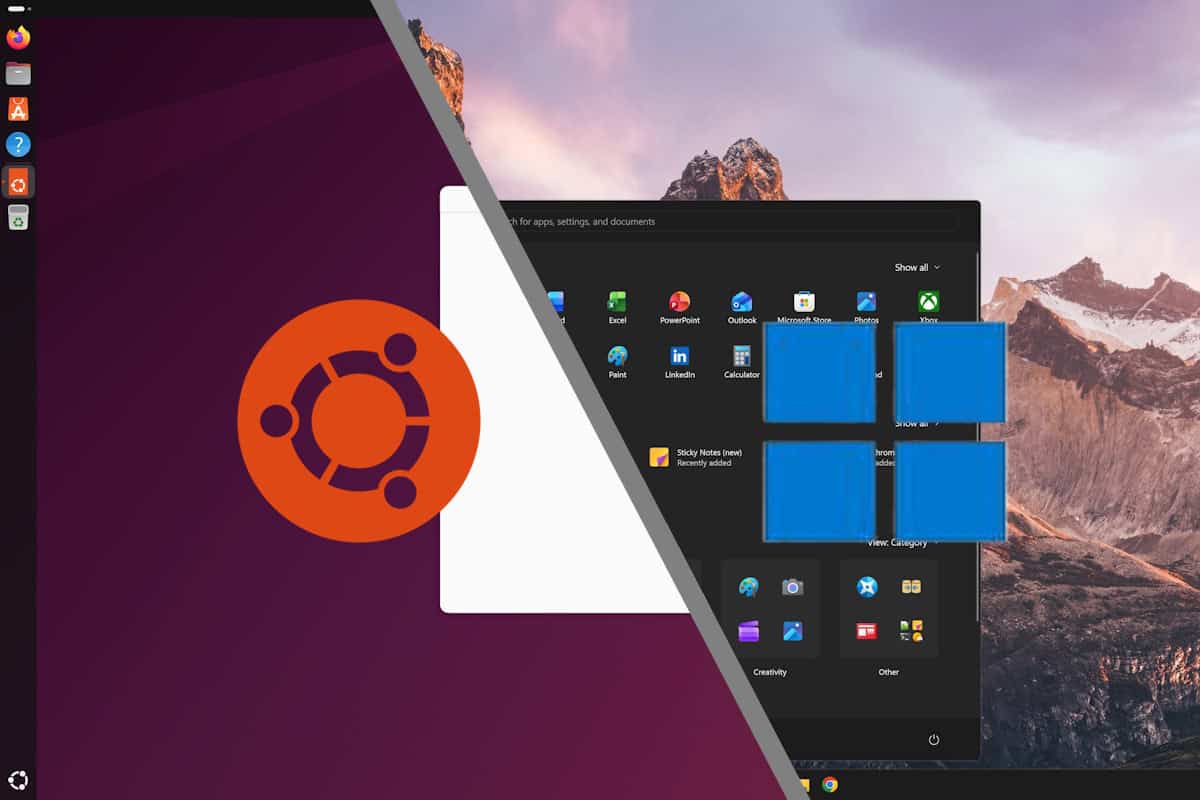
Switching From Windows to Linux: An Honest Assessment of What Works and What Doesn't
This article provides an honest, first-hand account of switching from Windows to Linux as a daily driver. The author explains why more users
 raspberrytips.com·6d ago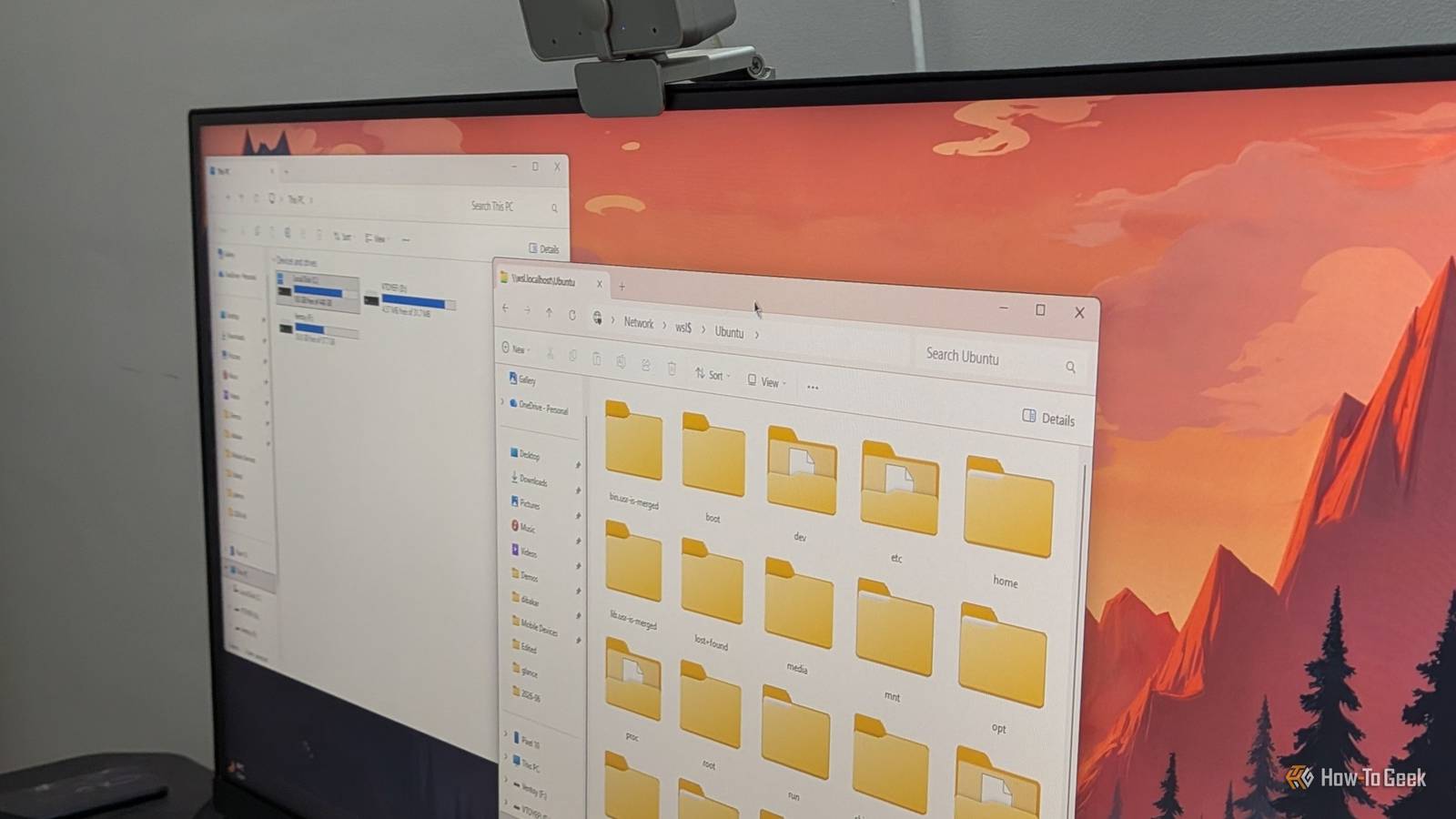
How to access Linux partitions from Windows: Tools and workarounds explained
This article addresses the common frustration for users who dual-boot Windows and Linux: Windows cannot natively read Linux partitions (ext4
 ift.tt·5d ago