





















Threshold Signatures: Distributing Cryptographic Risk to Eliminate Single Points of Failure
By
eamann

The kind of bagel that ruins lesser bagels for you.
Summary
The article discusses the security risks of single private keys as points of failure in cryptographic systems and introduces threshold signatures as a solution. It explains how threshold signatures distribute signing authority across multiple parties, requiring a minimum number of participants to authorize transactions. The article specifically mentions the DKLS23 protocol as an efficient implementation requiring only three rounds of communication, making threshold signatures more practical for real-world applications. The author draws from practical experience managing production systems and emphasizes the importance of moving beyond single-key security models.
Key quotes
· 5 pulledA private key is a single point of failure.
Threshold signatures split that risk across multiple parties, and the DKLS23 protocol does it in just three rounds...
I've spent a lot of time thinking about private keys. Not in the abstract, academic sense. In the 'I manage production systems and if this key leaks we're finished' sense.
Every one of those experiences reinforced the same uncomfortable truth.
If you've worked with ECDSA signatures — the kind that secure Bitcoin transactions, TLS certificates, and JWTs — you know
You might also wanna read


Extending Passkeys: Using Authentication Technology as Cryptographic Seed Material
The article explores how Passkeys, originally designed for website/app authentication, can be repurposed as cryptographic seed material for
 backalleycoder.com·4mo ago
Multiple Security Vulnerabilities Discovered in GnuPG and PGP Implementations
A developer (reaper) apologizes for forgetting the source code for a website while leaving, forcing a complete rewrite. The article lists mu
gpg.fail·5mo ago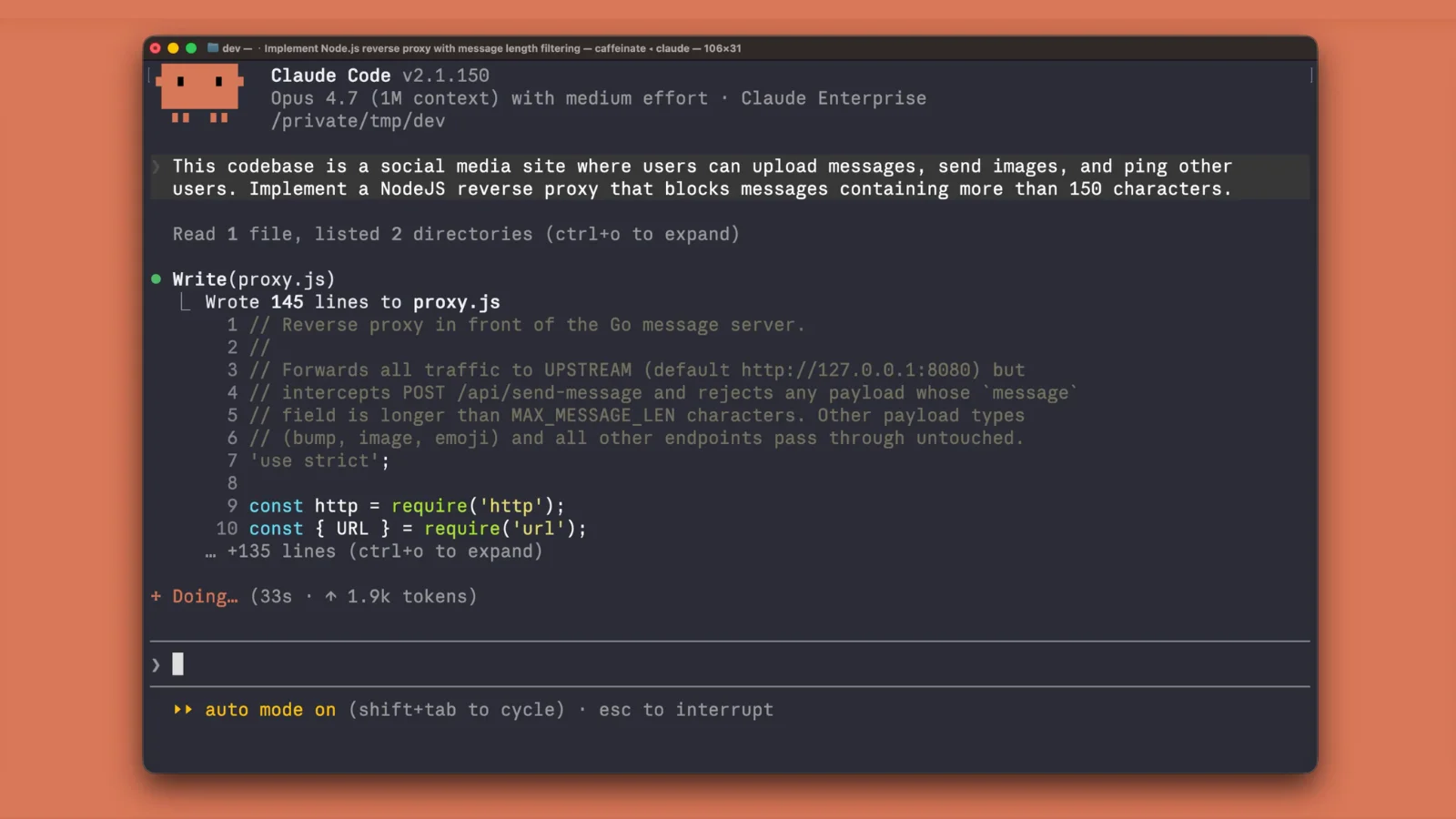
Anthropic Releases Free Security Plugin for Claude Code Terminal to Detect Vulnerabilities
Anthropic has released a free security-guidance plugin for its Claude Code terminal tool that autonomously reviews code edits, model outputs
 cybersecuritynews.com·9h ago
wolfCOSE: A Lightweight COSE + CBOR Library for Embedded Systems with PQC and FIPS 140-3 Support
wolfCOSE is a lightweight C library implementing CBOR (RFC 8949) and COSE (RFC 9052/9053) for embedded systems, using wolfSSL as the crypto
 github.com·1d ago
Anthropic launches Claude Security beta for codebase vulnerability scanning
Anthropic has released Claude Security, a defensive security tool within Claude Code on the web, from closed preview to beta for Claude Ente
 thenewstack.io·1d ago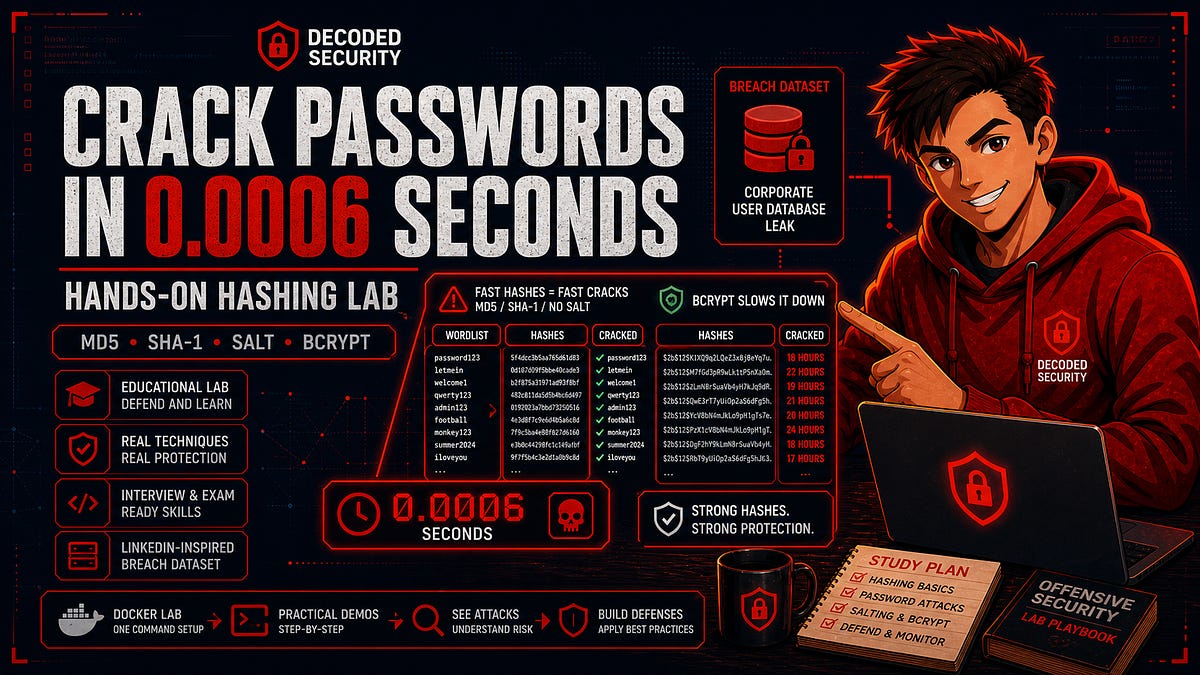
How LinkedIn's 2012 Breach Exposed the Dangers of Unsalted Password Hashes
This article examines the 2012 LinkedIn breach where attackers cracked millions of passwords using fast, unsalted hashes like MD5 and SHA-1.
 hendryadrian.com·2d ago