





















USB flash drives lose data over time due to NAND flash degradation — here's how to protect your files
By
Christine Persaud

A five-star bake. Worth schmearing, sharing, saving.
Summary
USB flash drives use NAND flash memory which degrades over time due to charge leakage, especially when not powered on regularly. Data stored on USB drives can become corrupted within months to a few years depending on the type of NAND flash (SLC, MLC, TLC, QLC), with consumer-grade drives (TLC/QLC) being most vulnerable. Environmental factors like heat and humidity accelerate degradation. The article explains that unlike SSDs which have controllers that periodically refresh data, USB drives lack this feature. It recommends regularly plugging in USB drives to refresh the charge, using high-quality drives for long-term storage, and not relying on USB drives as a primary backup solution — instead using cloud storage, external HDDs/SSDs, or optical media for archival purposes.
Key quotes
· 5 pulledThe USB drive in your drawer is slowly losing your data right now
If you have a drawer full of USB drives you transferred who-knows-what to over the years, check them because your data could slowly be degrading.
Consumer-grade USB drives typically use TLC or QLC NAND, which have lower endurance and shorter data retention periods compared to SLC or MLC NAND used in enterprise-grade drives.
Unlike SSDs, which have sophisticated controllers that periodically refresh data, most USB drives lack this feature, making them more susceptible to data loss over time.
The best way to protect your data is to follow the 3-2-1 backup rule: three copies of your data, on two different media types, with one copy stored off-site.
You might also wanna read

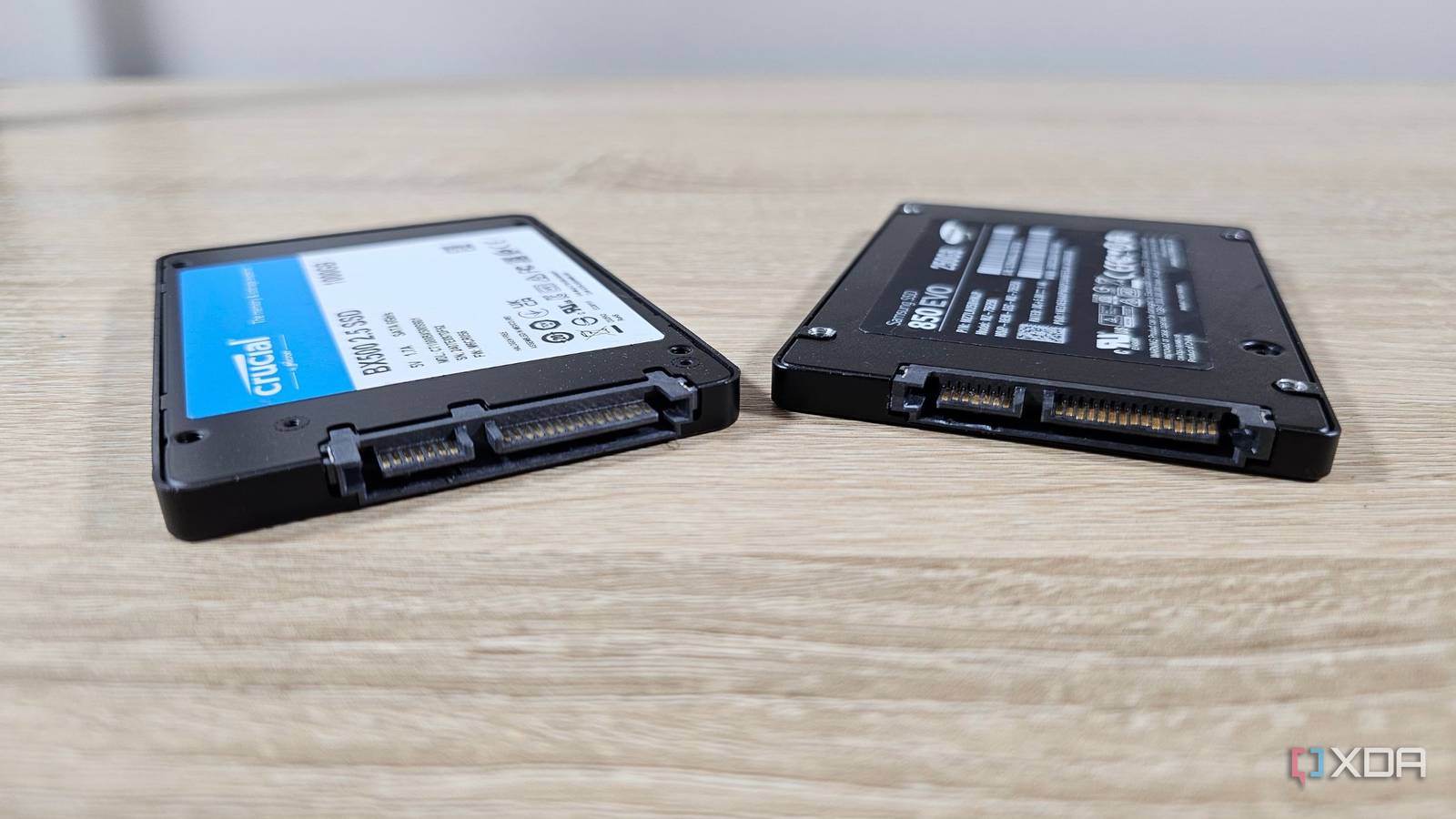
SSDs Lose Data When Left Unpowered for Extended Periods
The article explains that solid-state drives (SSDs) are not suitable for long-term data storage when left unpowered. Unlike traditional hard
 xda-developers.com·6mo ago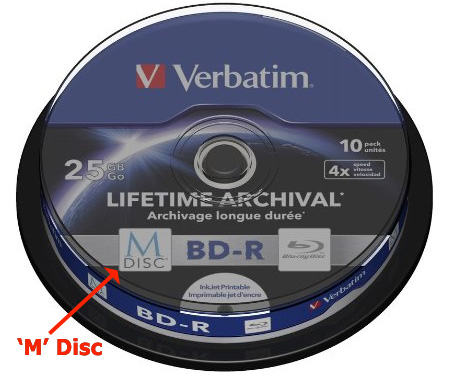
M Disc Archival Media: Testing and Review of Long-Term Data Preservation Technology
This article provides an extensive test and review of M Disc technology for long-term data archival. It addresses the problem of digital dat

Understanding Data Durability with the fsync System Call in Linux
The article discusses the durability guarantees provided by the fsync system call in Linux, particularly focusing on the potential data loss
puzpuzpuz.dev·10mo ago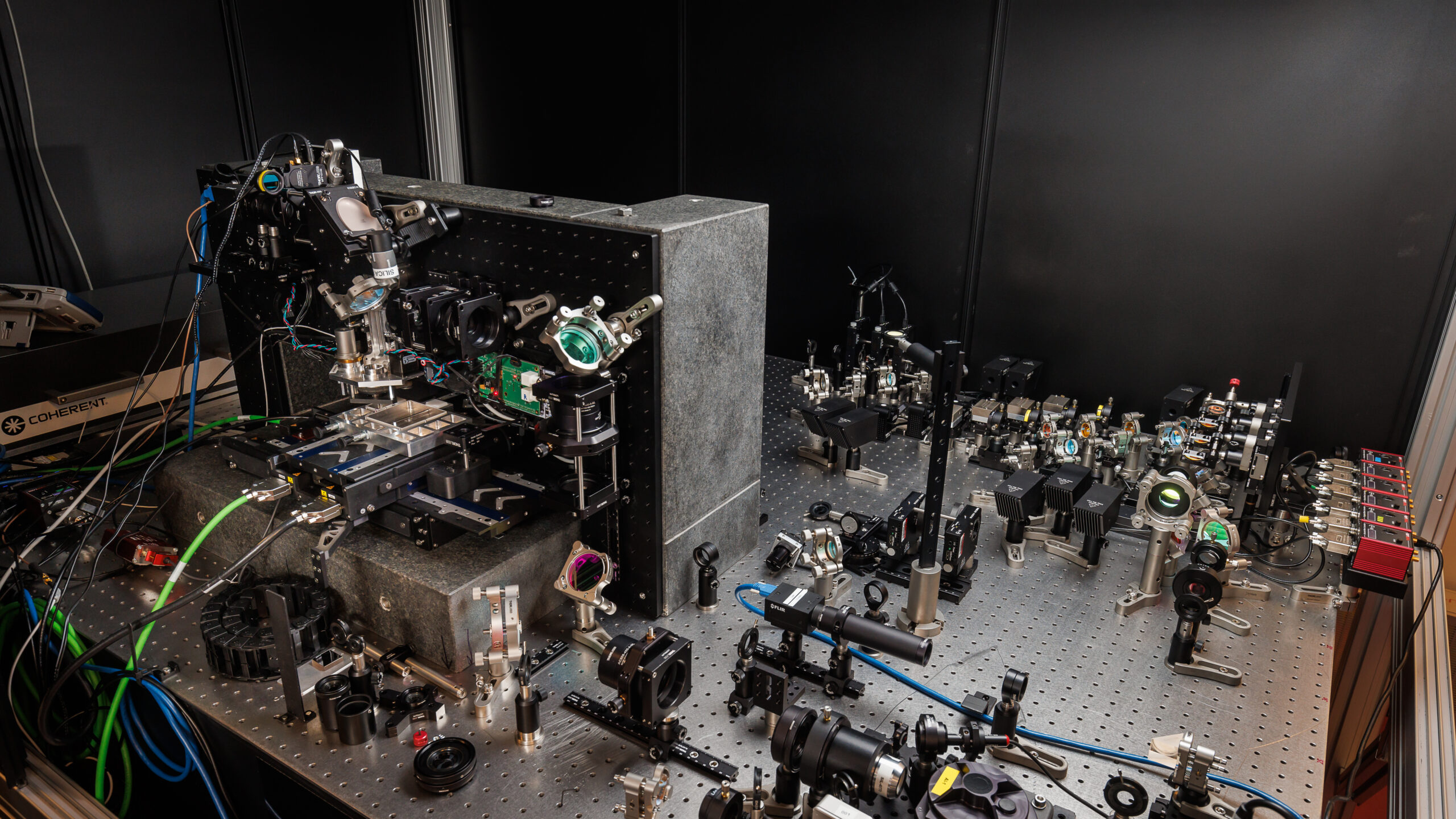
Microsoft Develops Glass-Based Data Storage Technology for Long-Term Archival Preservation
Microsoft is developing a long-term data storage solution using glass as a medium, with data etched into glass using femtosecond lasers. Thi
 arstechnica.com·3mo ago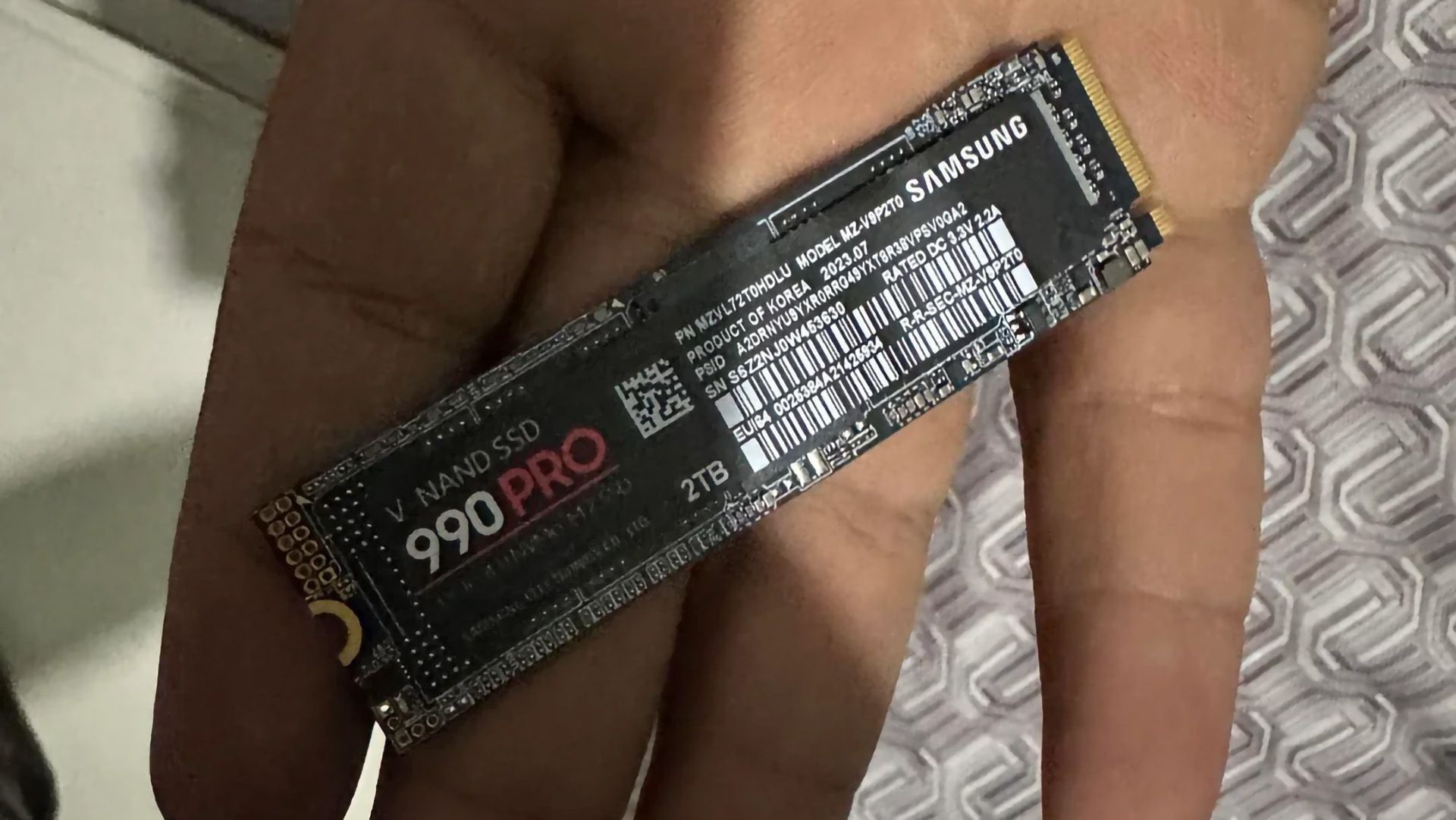
Counterfeit Samsung 990 Pro SSD passes basic checks but performs worse than USB 2.0 drive
A Reddit user purchased a counterfeit Samsung 990 Pro SSD that passed basic system checks but performed extremely poorly, running slower tha
 tomshardware.com·4mo ago
Hard Drive Reliability: 13-Year Study Debunks Bathtub Curve Failure Model
Backblaze's 13-year analysis of hard drive reliability data reveals that the traditional 'bathtub curve' model of drive failures (predicting
 backblaze.com·8mo ago