





















Analyzing Redundancy in Natural Protein Fold Space and the Role of Generative AI in Biomolecular Modeling
By
ray__

Fresh out the oven, still warm. Top of the tray.
Summary
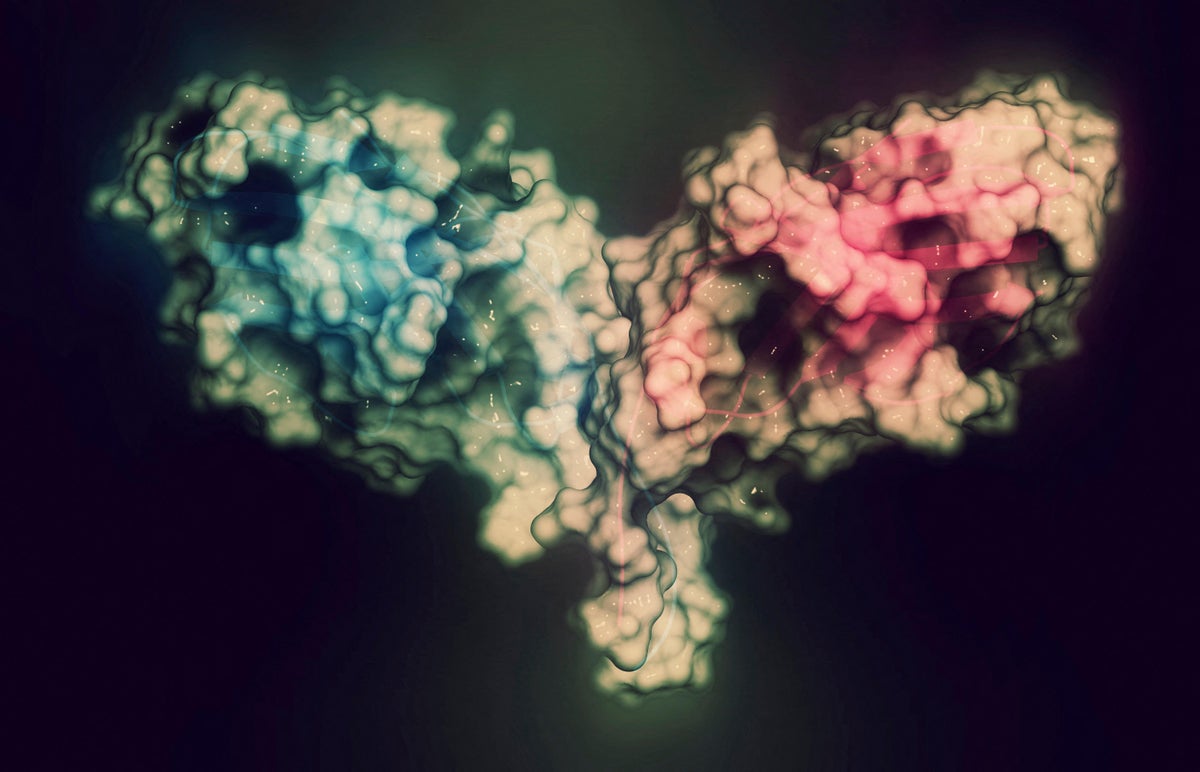
This research note from Ligo explores the concept of redundancy in natural protein fold space, examining how deep neural networks and generative models like AlphaFold3 have revolutionized biomolecular interaction prediction. The article analyzes which types of protein fold data still carry meaningful signal versus what is redundant, drawing parallels to advances in large language models and generative AI for continuous modalities like images and video.
Key quotes
· 4 pulledOver the last few years, deep neural networks have made generative language modeling dramatically more powerful, giving us large language models.
A similar leap happened for continuous modalities like images and videos.
Recently, similar techniques have been applied to the generative modeling of biomolecules with great success.
Models such as DeepMind's AlphaFold3 made it much easier to predict biomolecular interactions, including drug-protein and antibody-protein interactions.
You might also wanna read

ESMFold2 AI generates atlas of over 1 billion predicted protein structures, expanding known protein universe
A new open-source AI tool called ESMFold2 has generated the ESM Atlas, a database of over one billion predicted protein structures and billi
 scientificamerican.com·11d ago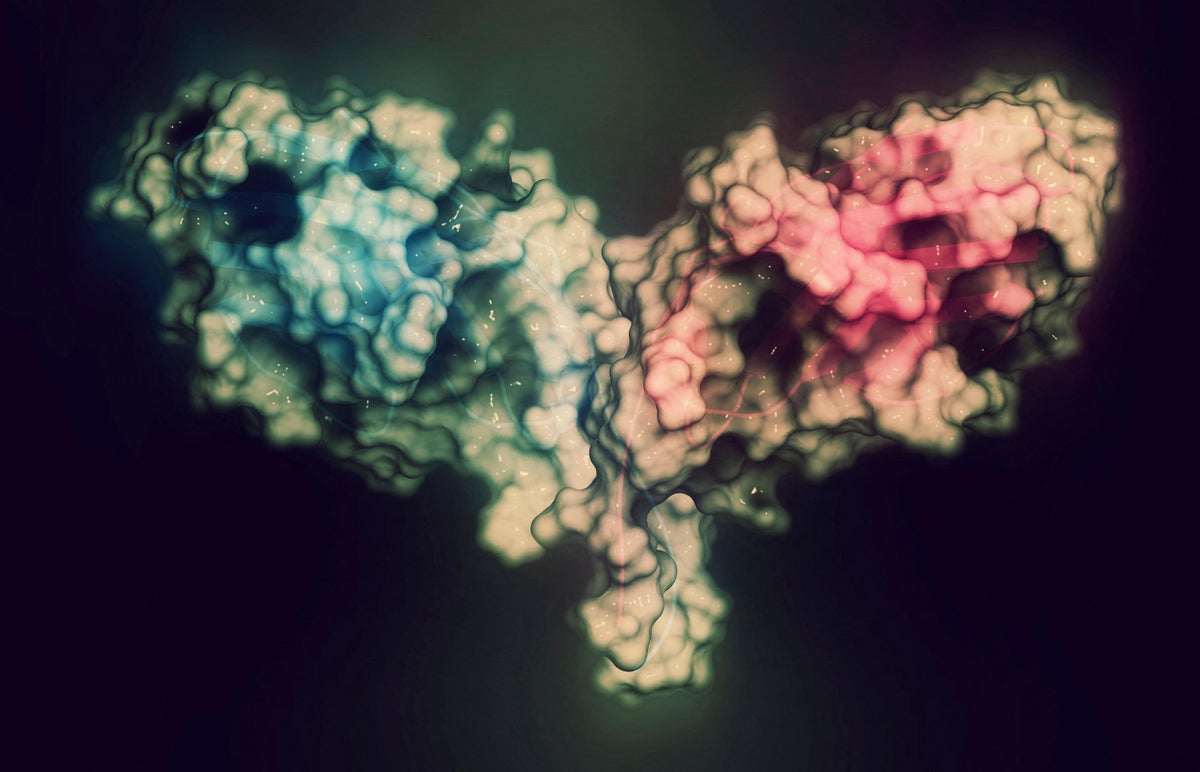
ESMFold2 AI generates open-source atlas of over one billion predicted protein structures
A new open-source AI tool called ESMFold2 has generated the ESM Atlas, a database containing over one billion predicted protein structures a
 flip.it·10d ago
https://doi.org/10.1093/nar/gkag430

Rethinking bioinformatics education in the age of generative AI: judgment, uncertainty, and responsibility
This article examines how generative AI tools are transforming bioinformatics education, focusing on the pedagogical challenges and opportun
 journals.asm.org·13d ago
https://doi.org/10.1093/nar/gkag415

Minicule: AI-Powered Platform for Biomedical Research Visualization and Knowledge Graph Creation
Minicule is an AI-powered research web application that connects to major scientific databases including PubMed, OpenAlex, and USPTO. The pl
 Product Hunt·11mo ago