





















The Shift to Probabilistic AI Products: New Approaches for Building Intelligent Systems
By
sdan

A five-star bake. Worth schmearing, sharing, saving.
Summary
The article explores how AI is transforming products from deterministic systems into probabilistic ones, requiring new approaches to product development. It discusses the challenges of building AI products that exhibit emergent behaviors not fully understood by their creators, and the need to shift from traditional metrics like SLOs to concepts like Minimum Viable Intelligence thresholds and treating data as a company's operating system.
Key quotes
· 4 pulledIt's hard to accept that we invented a technology that we don't fully comprehend, and that exhibits behaviors that we didn't explicitly expect.
Dismissal is a common reaction when witnessing AI's rate of progress. People struggle to reconcile their world model with what AI can now do.
AI turns products from deterministic functions into probabilistic systems.
That requires expanding old playbooks (SLOs, funnels, siloed finance), and reasoning in terms of trajectories, Minimum Viable Intelligence thresholds, and data as company operating system.
You might also wanna read


How Agentic AI Is Moving Enterprise AI from Productivity to Autonomous Work
The article discusses the evolution of enterprise AI from basic generative AI tools (drafting emails, summarizing reports) to agentic AI sys
 medium.com·4d ago
Designing Trustworthy AI Systems: Practical Methods for Building User Confidence
This article explores the critical importance of trust in AI systems, particularly as generative AI becomes integrated into digital products
 Smashing Magazine·8mo ago
Designing Responsible Agentic AI Systems: New UX Research Methods for Trust and Accountability
The article discusses the emergence of agentic AI systems that can plan, decide, and act autonomously, moving beyond generative AI to proact
Smashing Magazine·4mo ago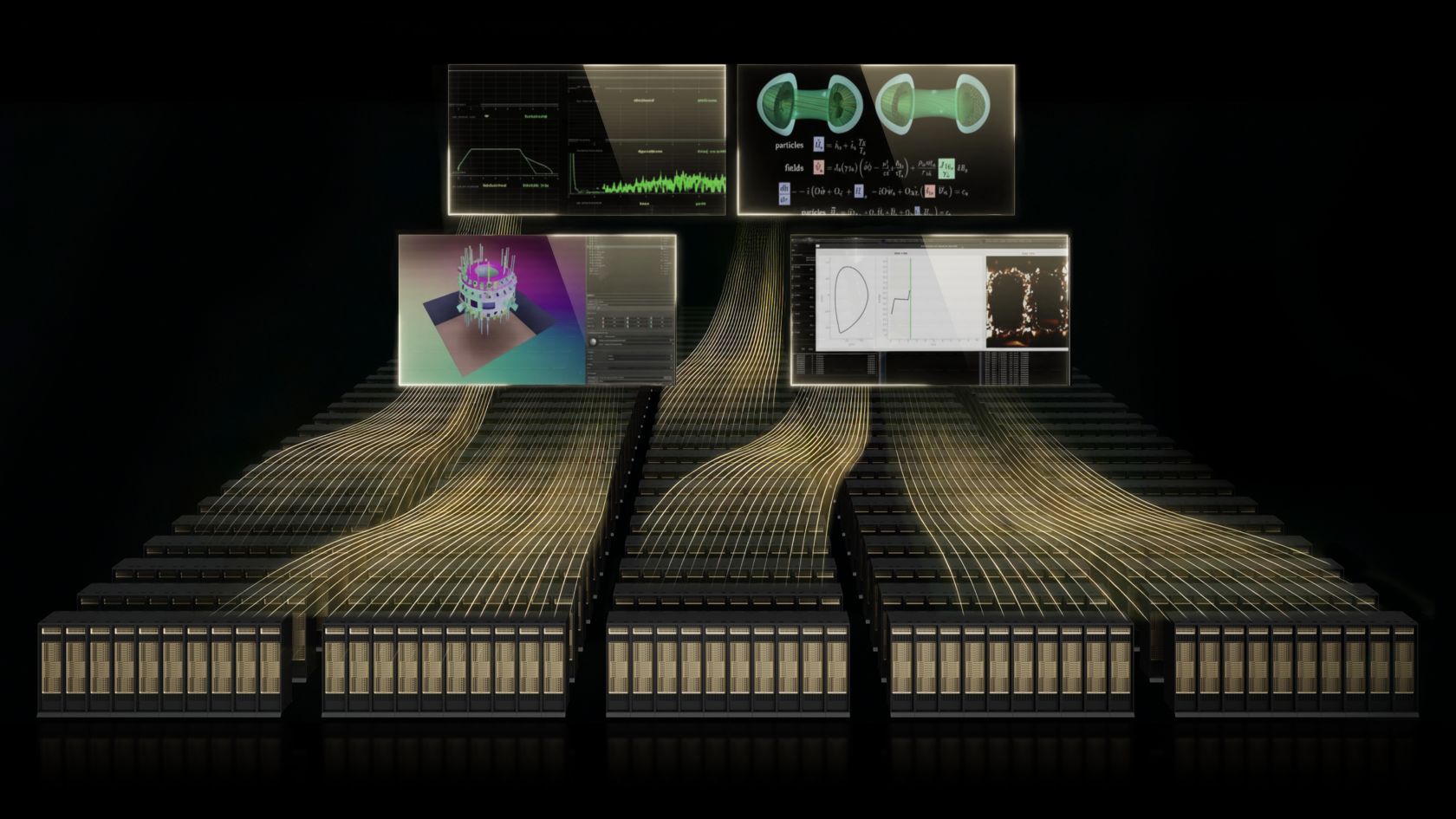
AI Factories: The New Infrastructure Powering Intelligence Generation Through Codesign
The article discusses the emergence of "AI factories" as a new infrastructure paradigm for intelligence generation. These factories rely on

AI as an Extension of Human Intelligence: A Framework for Trustworthy Systems
The article explores the current capabilities and limitations of AI systems, noting they excel at tasks like writing, coding, and conversati

A Field Guide to Production-Ready AI Agents: Context Windows, Security, and Drift Monitoring
Karl Mehta presents a field guide for building production-ready AI agents, focusing on four key engineering challenges: context-window disci