





















The Rise of HTML-First Web Development: How htmx and Server-Driven Frameworks Are Changing Front-End Development
By
todsacerdoti

Hot, fresh, and worth queueing round the block for.
Summary
The article discusses a significant shift in web development away from heavy Single Page Application (SPA) frameworks like React, Angular, and Vue toward HTML-first, server-driven approaches exemplified by htmx. It argues that not every application needs complex client-side JavaScript frameworks, and that HTML-first frameworks offer simplicity, maintainability, and better performance while still providing modern interactivity. The piece explores why this paradigm is gaining traction among developers and companies, highlighting the benefits of returning to the web's original architecture without sacrificing modern capabilities.
Key quotes
· 5 pulledFor years, when it came to building something 'modern' on the web, the almost automatic choice fell on React, Angular, Vue, and the entire Single Page Application (SPA) ecosystem.
Many teams — including some large ones with enterprise projects — are moving toward HTML-first frameworks like htmx and other tools that take a more traditional, server-driven approach.
Not every application needs a heavy client-side JavaScript framework.
With htmx and other server-driven frameworks, we return to the simplicity of the original web without sacrificing modern interactivity.
This paradigm is winning over developers and companies.
You might also wanna read

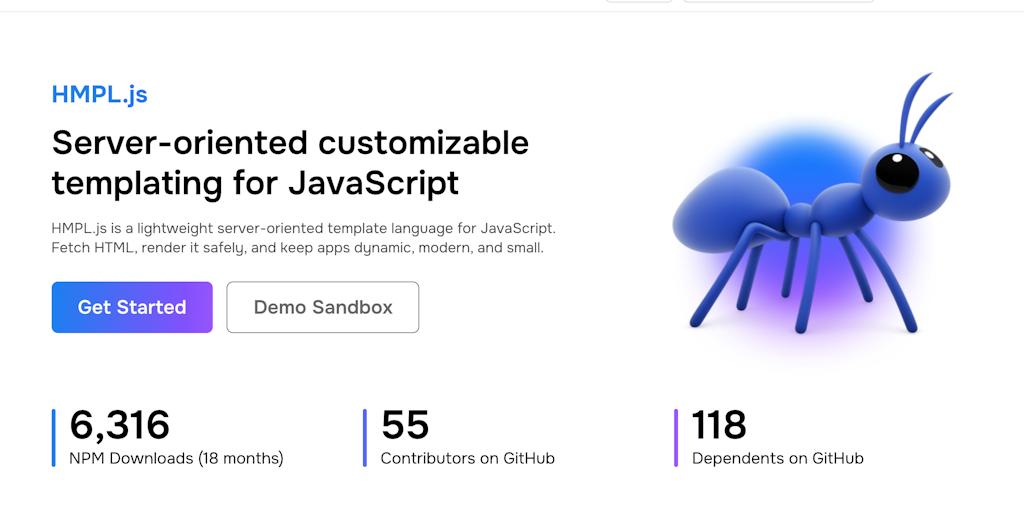
HMPL.js: Lightweight JavaScript Template Language for Server-Driven Web Development
HMPL.js is a lightweight JavaScript template language designed for server-driven web development. It features block-based syntax, customizab
 Product Hunt·5mo ago
Building Local-First Web Apps: A Real-World Developer's Perspective for 2026
A developer shares a grounded, experience-driven perspective on building local-first web apps in 2026. The article opens with a relatable an
 Smashing Magazine·26d ago