





















The Reality Gap: From Vibecoded Prototype to Working Product
By
kiwieater

More crust than filling. Mostly air.
Summary
The article discusses the significant gap between creating a prototype through "vibecoding" (a rapid, intuitive coding approach) and developing a fully functional, production-ready product. The author shares their personal experience of spending 100 hours vibecoding an app, revealing that the process is more complex than commonly portrayed, with substantial additional work required beyond the initial prototype to create a polished, working product.
Key quotes
· 2 pulledThe 100 hour gap between a vibecoded prototype and a working product
I spent 100 hours vibecoding an app and it's not as simple as people say
You might also wanna read

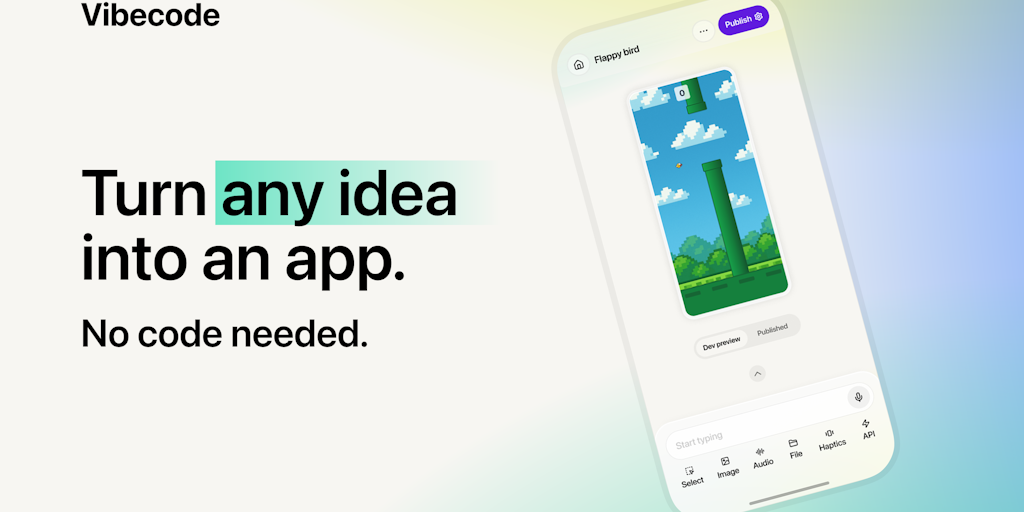
Vibecode: Mobile App That Creates Apps Through Natural Language Descriptions
Vibecode is a mobile application that enables users to create fully functional mobile apps by describing them in plain language, using voice
 Product Hunt·7mo ago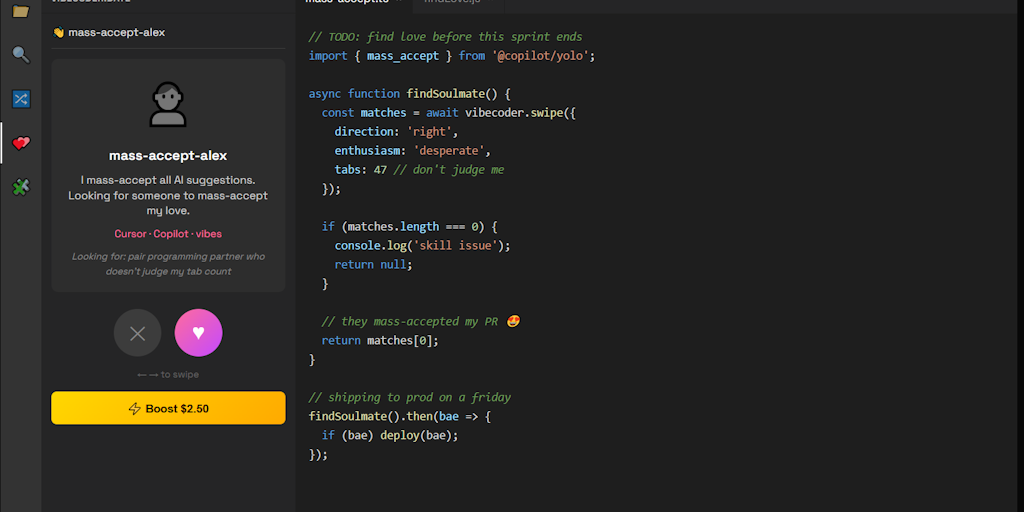
Vibecoder.date: A Dating App for Developers Integrated into Code Editors
The article introduces vibecoder.date, a dating app specifically designed for developers who practice 'vibe coding' - a coding approach focu
Product Hunt·4mo ago
Vibe Coding Explained: How AI Lets You Create Software by Describing What You Want
Vibe coding is a method of creating computer code using artificial intelligence where users describe what they want built rather than writin
 techlearning.com·3d ago
Intent Prototyping vs Vibe Coding: The Future of AI-Powered Enterprise UX Design
This article examines the tension between traditional static mockups and emerging AI-powered prototyping approaches in enterprise UX design.
 Smashing Magazine·8mo ago
Vibe coding brings AI-powered app creation to smartphones
The article discusses the emerging trend of "vibe coding" — the ability for everyday smartphone users to create their own apps using AI-powe
 The Verge·11d ago