





















The Radical Freedom of Hyperlinks in a Controlled Digital Landscape
By
ColinWright

Warm and crisp on the edges. A bagel with a bit of bite.
Summary
The article discusses the radical nature of hyperlinks as a permission-less sharing mechanism on the web, contrasting this freedom with modern platform controls that seek to restrict, limit, and monetize link sharing through app store policies, link-in-bio limitations, and search engine monetization.
Key quotes
· 5 pulledThe web has a superpower: permission-less link sharing.
This ability to create and disseminate links is almost radical against the backdrop of today's platforms.
To some, the hyperlink is dangerous and must be controlled:
They want to control what you can link to (see: app stores & external purchase links).
They want to monetize your links (see: search engines) and give you no
You might also wanna read

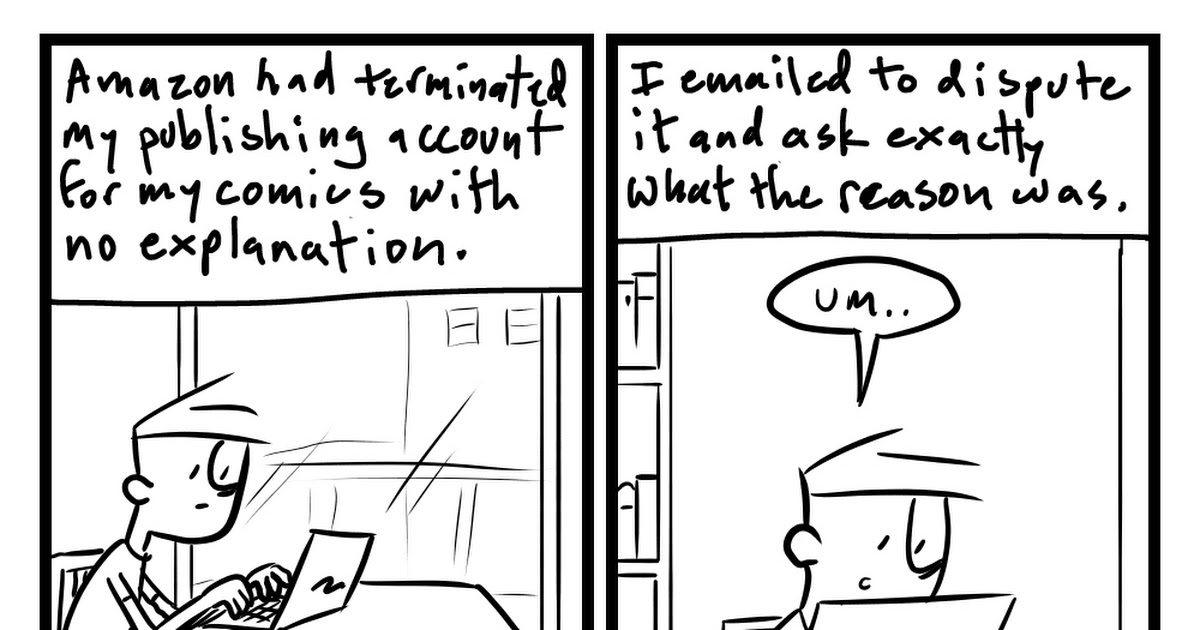
Amazon's AI Account Termination Erases Decades of Digital Comics and Purchase History
The article details the author's experience with Amazon abruptly canceling their decades-long customer account, resulting in the loss of the
 kleefeldoncomics.com·1mo ago
Critique of Tech Industry's Aggressive Push for Mobile Apps Over Web Versions
The article expresses frustration with the tech industry's aggressive push for users to download mobile apps instead of using web versions o
0xsid.com·1mo ago
Critique of Corporate Web Ownership and Vision for Decentralized Internet
The article critiques the current state of the web and internet, arguing that corporate ownership and government policies have turned users

The Distinction Between Privacy Marketing and Anonymity Architecture in Tech
The article critiques how tech companies misuse the term 'privacy' while actually collecting extensive personal data. It distinguishes betwe
 servury.com·5mo ago
An Iranian Developer's Experience with Digital Exclusion and Automated Discrimination
An Iranian software engineer shares personal experiences of facing digital discrimination and exclusion due to their nationality. The articl
 gist.github.com·8mo ago
Switching from Gmail Due to Privacy Concerns About Data Collection and Government Access
The author describes their decision to switch from Gmail after using it since 2007/2008 due to privacy concerns. They explain that email is