





















The Problem with Mini-Frameworks in Large Engineering Organizations
By
laike9m

Pure flour-power. Hearty enough to carry you through lunch.
Summary
A Google Ads infrastructure engineer shares insights about the recurring problem of 'mini-frameworks' in large tech organizations. The article defines mini-frameworks as small, team-specific abstractions built on top of shared tech stacks when teams find existing solutions unsatisfactory. These mini-frameworks create technical debt, increase maintenance burden, and lead to fragmentation across the organization. The author argues that while they solve immediate problems, they ultimately cause more harm than good by creating inconsistent patterns, increasing onboarding complexity, and making system-wide changes difficult. The piece serves as a cautionary tale about the long-term consequences of these localized solutions in large engineering organizations.
Key quotes
· 4 pulledI work in Google Ads infrastructure in the past four years. Over time, I've seen one pattern came along again and again, causing endless pain for developers, that is, creating mini-frameworks.
Imagine a company that has 1000 engineers, and they share the same tech stack. Over time, a team finds the shared tech stack unsatisfactory, either because they have...
These mini-frameworks create technical debt, increase maintenance burden, and lead to fragmentation across the organization.
While they solve immediate problems, they ultimately cause more harm than good by creating inconsistent patterns, increasing onboarding complexity, and making system-wide changes difficult.
You might also wanna read


Three Years In: A Senior Engineer's Reflection on AI's Impact on the Software Development Role
A senior engineer reflects on the long-term sustainability of AI tools in software development, three years into deep organizational adoptio
 jamiehurst.co.uk·10h ago
Three Years In: A Senior Engineer's Reflection on AI's Impact on the Software Development Role
A senior engineer reflects on the long-term sustainability of AI tools in software development, three years into deep organizational adoptio
jamiehurst.co.uk·10h ago
Bijou64: A variable-length integer encoding that's both correct and accidentally fast
This article describes the development of bijou64, a variable-length integer (varint) encoding created for the Subduction CRDT sync protocol
 inkandswitch.com·23h ago
Bijou64: A variable-length integer encoding that's both correct and accidentally fast
This article describes the development of bijou64, a variable-length integer (varint) encoding created for the Subduction CRDT sync protocol
inkandswitch.com·23h ago
Domain Expertise, Not Code, Is the True Competitive Advantage in Software
The article argues that true competitive advantage ("moat") in software has always been domain expertise—deep understanding of the business
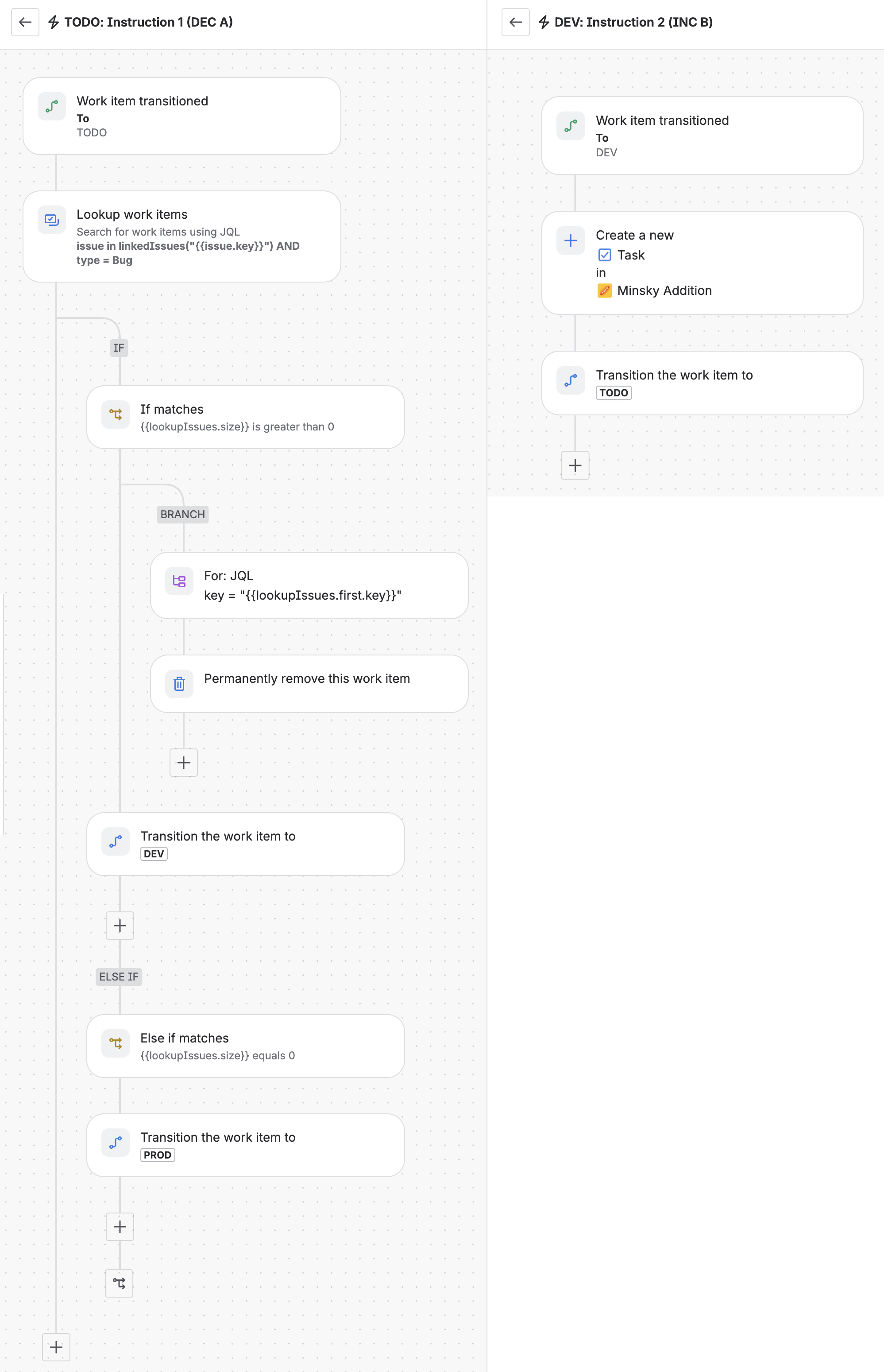
A Formal Proof That Jira Is Turing-Complete via Minsky Machine Implementation
This article provides a formal proof that Jira (Atlassian's project-tracking tool) is Turing-complete by demonstrating how to build a Minsky