





















The Philosophy of Machine Thinking: From Turing to Modern LLMs
By
mapehe

If you only eat one bagel today, this is the bagel.
Summary
The article explores the philosophical question of whether machines can truly think, tracing the debate back to foundational thinkers like Alan Turing, John von Neumann, and Claude Shannon in the 1950s. It examines how large language models (LLMs) operate through bottom-up pattern recognition rather than human-like top-down reasoning, arguing that while they mimic understanding, they don't truly think like humans. The piece positions AI as a tool for human-AI collaboration rather than replacement, emphasizing that the future lies in leveraging AI's capabilities while recognizing its fundamental differences from human cognition.
Key quotes
· 4 pulledI propose to consider the question, 'Can machines think?'
chess is generally considered to require 'thinking' for skilful play; a solution of this problem will force us either to admit
LLMs mimic understanding but think bottom-up, unlike humans
the future is human–AI collaboration, not replacement
You might also wanna read


Neuroscience Challenges AI Optimism: Are Large Language Models a Path to True Intelligence?
The article examines the ambitious claims by tech leaders like Mark Zuckerberg, Dario Amodei, and Sam Altman about achieving superintelligen
 The Verge·6mo ago
Yann LeCun Joins Logical Intelligence Board to Pursue Alternative AGI Path Beyond LLMs
Yann LeCun has joined the board of Logical Intelligence, a San Francisco-based startup pursuing an alternative path to artificial general in
 wired.com·1d ago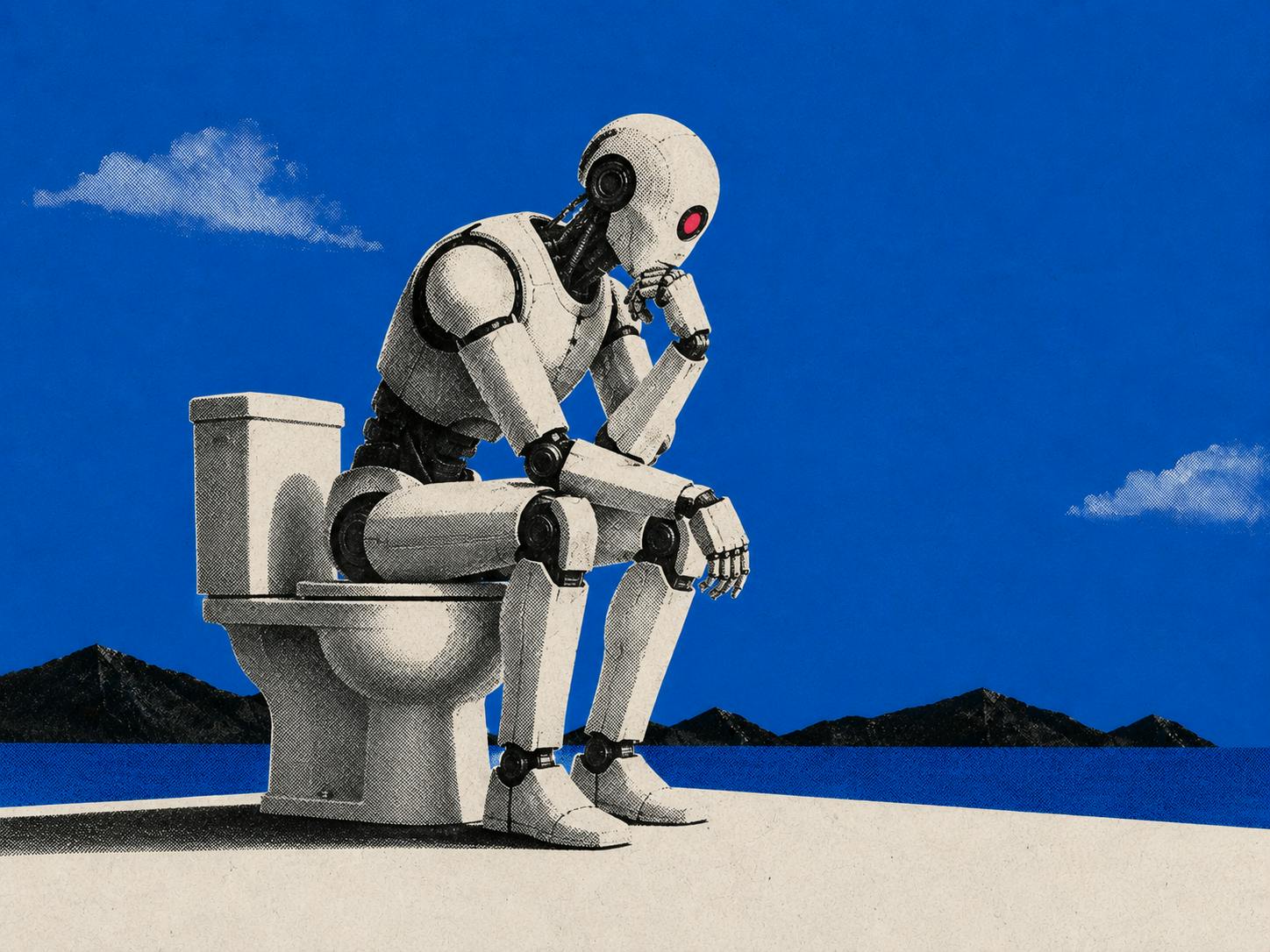
AI Is Not Artificial: It's Accumulated Human Thought Reflected Through Machines
The article argues that "AI" is a misleading term because artificial intelligence is not truly alien or fake — it is accumulated human thoug

AI Through the Lens of Classic Cinema: A Critique of Technological Scale Over Originality
The author reflects on watching two classic AI-themed movies from 42 and 69 years ago, using them as a lens to critique contemporary AI and
 jeffisawesome.substack.com·2d ago
AI as an Extension of Human Intelligence: A Framework for Trustworthy Systems
The article explores the current capabilities and limitations of AI systems, noting they excel at tasks like writing, coding, and conversati