





















The Need for Lightweight Graphical Clients in the Fediverse
By
speckx

Master baker tier. Every paragraph earns its place on the tray.
Summary
The article argues that the Fediverse (decentralized social networks like Mastodon) needs simpler, lightweight graphical clients to improve accessibility. The author loves the Fediverse for its lack of algorithmic feeds and surveillance capitalism, but notes that current clients require modern browsers, fast connections, and recent devices, creating barriers for new users. The piece advocates for 'dumb' graphical clients that would be more accessible and help the Fediverse grow beyond its current technical user base.
Key quotes
· 4 pulledI love the Fediverse. I have been on it for years, and it remains the only social network where I actually enjoy spending time.
No algorithmic feed pushing outrage, no dark patterns, no surveillance capitalism. Just people talking to each other over an open protocol.
But every time I wanted to recommend it to someone, I ran into the same wall: the clients are heavy.
Mastodon's web interface ships megabytes of JavaScript. Elk, Phanpy, Ivory, beautiful apps, but they require a modern browser, a fast connection, and a device manufactured in the last five years.
You might also wanna read

Omi A11Y: Free Chrome Extension for Instant WCAG Accessibility Scanning
Omi A11Y is a free Chrome extension that enables instant web accessibility auditing directly in the browser. It scans any webpage for WCAG 2
 Product Hunt·27d ago
Why modern Text User Interfaces often fail at accessibility despite being text-based
This article debunks the myth that terminal-based Text User Interfaces (TUIs) are inherently accessible for screen reader users. It argues t
 xogium.me·28d ago
Bouncer: AI-Powered Browser Extension Filters Unwanted Content from Twitter/X Feeds
Bouncer is a browser extension that uses AI to filter unwanted content from Twitter/X feeds. Users can define filter topics in plain languag
 github.com·1mo ago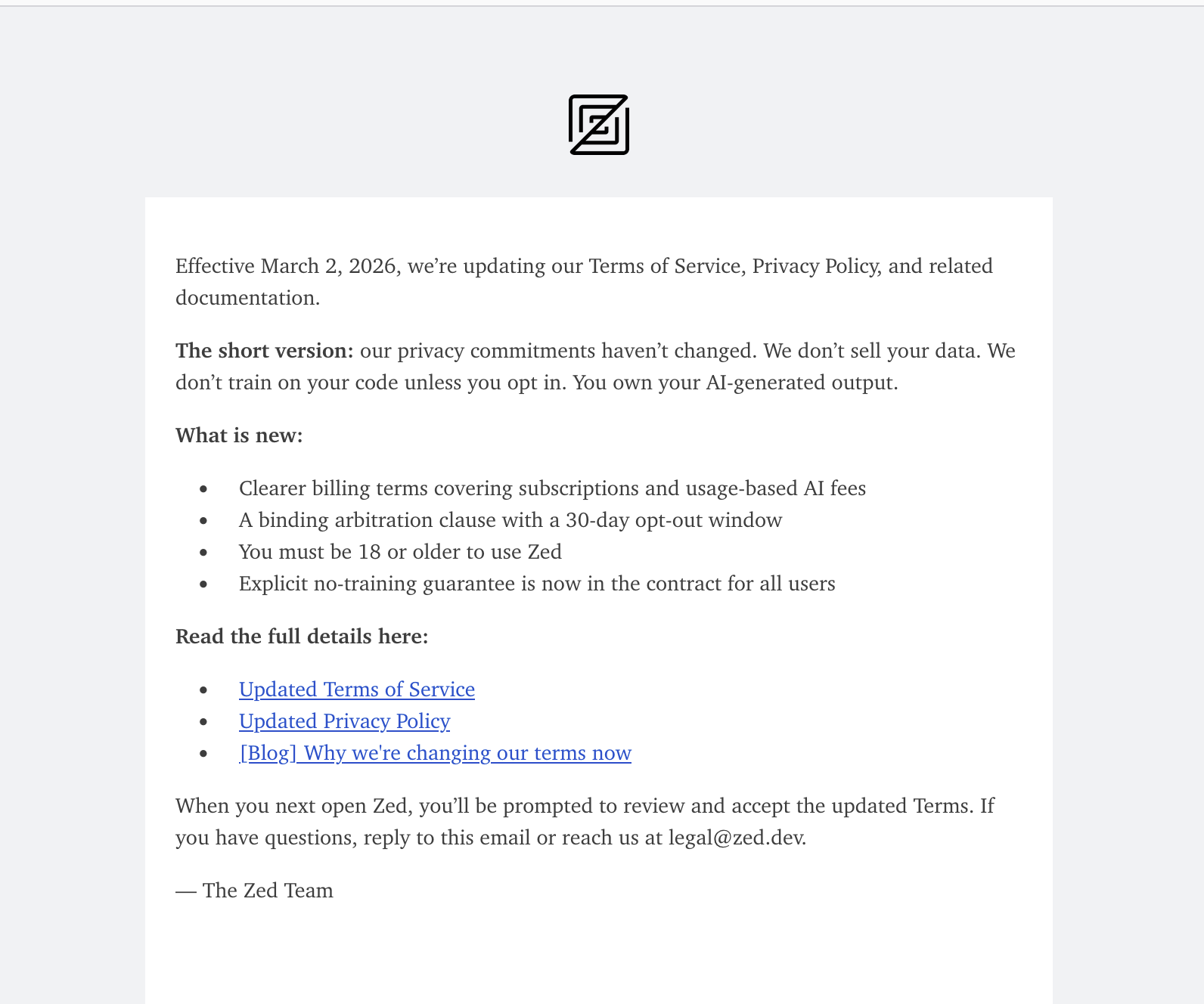
Questioning Age Restrictions on Code Editor Usage
A brief social media post questioning age restrictions on code editor usage, expressing confusion about whether individuals under 18 are pro
 mastodon.online·2mo ago
Text-Based Web Browsers: Their Continued Relevance for Accessibility Testing and Semantic HTML
The article discusses the relevance of text-based web browsers in modern web development, emphasizing their importance for testing website a
 cssence.com·4mo ago
Why Using Div Elements Instead of Buttons Harms Web Accessibility
The article argues against using div elements as substitutes for button elements in web development, particularly criticizing developers who
 gomakethings.com·7mo ago