





















The Linguistic Origins of Chess Terms: A Global History
By
Cindy Blanco, Ph.D.

Master baker tier. Every paragraph earns its place on the tray.
Summary
The article explores the linguistic origins of chess terminology, tracing words like 'chess' and 'checkmate' back to Persian and other languages. It highlights how the game's history is intertwined with global language evolution, offering insights into the cultural and linguistic diversity embedded in chess.
Key quotes
· 3 pulledThe long history of chess is a history of language and linguistic change, too.
Where does the word 'chess' come from? Not surprisingly, the history of the English name chess all starts with a king: the Persian shah!
How many languages are you speaking when you play chess? Probably more than you think!
You might also wanna read
Kempelen's historic chess puzzle: Place five pieces to attack every square
This article describes a historical chess puzzle created by Kempelen, inventor of the famous "Mechanical Chess Player" (The Turk). The puzzl

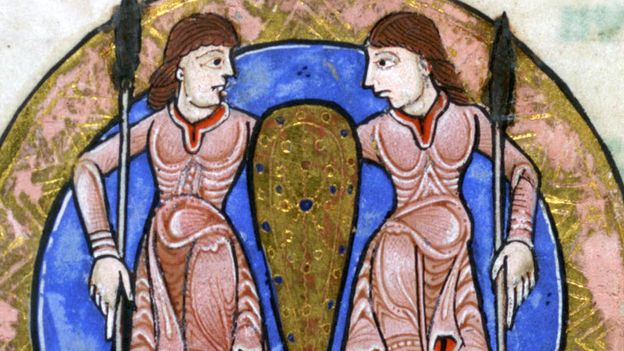
Lost Medieval English Pronouns: Exploring 'Wit' and the Dual Form for Intimacy
The article explores lost medieval English pronouns, particularly the dual form 'wit' meaning 'we two' in Old English, which was used to des
 bbc.com·1mo ago
Etymological Origins of the Days of the Week: From Norse Gods to Celestial Bodies
This article explores the etymological origins of the days of the week, tracing their names back to ancient gods, celestial bodies, and cult
 Duolingo·2mo ago
The Longest Greek Word: Aristophanes' Fictional Dish in 'The Assemblywomen'
This is a Wikipedia article about the longest word in Greek literature, 'Lopadotemachoselachogaleokranioleipsanodrimhypotrimmatosil
 en.wikipedia.org·4mo ago
The 600-Year Evolution of 'Hello': From 15th Century Origins to Modern Greetings
The article explores the 600-year-old origins and evolution of the word 'hello', tracing its first print usage 200 years ago back to 15th Ce
bbc.com·4mo ago
The Historical Etymology of "Computer": From Human Calculators to Machines
The article explores the historical etymology of the term "computer," tracing its origins to human beings who performed complex calculations
digitalseams.com·4mo ago