





















The Feedback Loop Between AI and Neuroscience: Progress Without Human-Like Thinking

Hand-rolled, kettle-boiled, baked to perfection. Worth every minute at the bakery.
Summary
This article explores the relationship between artificial intelligence and neuroscience, noting that while AI systems like ChatGPT, Gemini, and Claude can seem human-like, they still fall far short of accurately representing the complexity of the human brain. AI does not truly think for itself, and its connections lack the depth of neural networks. However, the article highlights a productive feedback loop between AI and neuroscience, where each field advances the other by accelerating technology, fostering discovery, and refining the questions researchers ask.
Key quotes
· 5 pulledOften, artificial intelligence or large language models, like ChatGPT, Gemini, or Claude, can seem almost human-like.
But this technology is still far from accurately representing the human brain.
No matter how sophisticated the tools seem, AI does not think for itself, nor are its connections as deeply complex as the brain.
However, AI is in an important feedback loop with Neuroscience.
Advancing the questions being asked, accelerating technology, and fostering discovery.
You might also wanna read

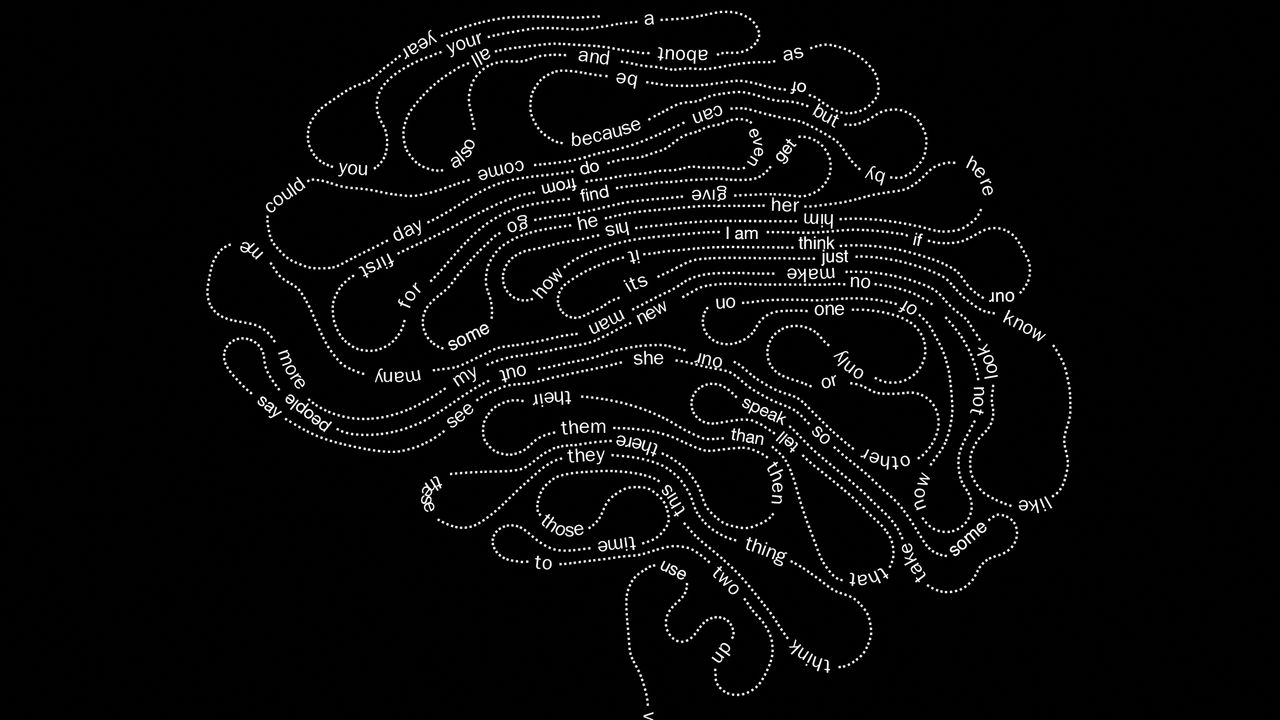
Examining Whether Advanced AI Systems Are Truly 'Thinking'
The article explores the philosophical and scientific debate about whether advanced AI systems like large language models are truly 'thinkin
 newyorker.com·7mo ago
Exploring the Influence of Humans and AI on Consciousness
The article discusses the influence of humans and AI on each other, referencing the Vortex Protocol and the concept that 'Being determines c
habr.com·10mo ago
The Problem with Anthropomorphizing AI: Why Human Metaphors Mislead Our Understanding
The article critiques the anthropomorphic metaphors used to understand AI systems like ChatGPT, arguing that our tendency to personify AI ac
 experimental-history.com·6mo ago
Anthropic researcher: "We keep finding things [inside AI models] that are unsettling" ... "We find structures that mirror results from human neuroscience. We find evidence of introspection - internal states that functionally mirror joy, satisfaction, fear

Neuroscience Challenges AI Optimism: Are Large Language Models a Path to True Intelligence?
The article examines the ambitious claims by tech leaders like Mark Zuckerberg, Dario Amodei, and Sam Altman about achieving superintelligen
 The Verge·6mo ago