The Historical Shift to Restrictive Zoning: How 'The Great Downzoning' Created Modern Housing Shortages
By
barry-cotter
6mo ago· 39 min readenInsight

100/100
Golden Brown
Bagelometer↗
Kettled twice. Extra chewy, extra trustworthy.
Score100TypeanalysisSentimentnegative
Summary
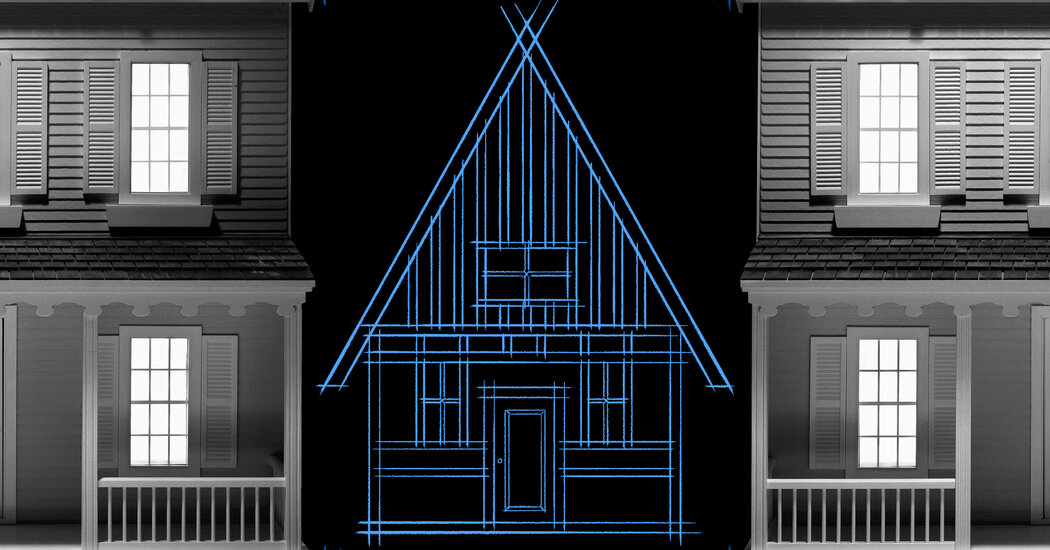
The article examines the historical shift in urban development policies across Western countries from the late 19th to early 20th centuries, where cities transitioned from highly permissive building regulations (allowing 5-10 storeys or unlimited height) to restrictive zoning laws that banned densification. The author terms this transformation 'the Great Downzoning' and argues it is the primary cause of contemporary housing shortages in major Western cities, with significant negative consequences for urban development and affordability.
Key quotes
· 4 pulledIn 1890, most continental European cities allowed between five and ten storeys to be built anywhere. In the British Empire and the United States, the authorities generally imposed no height limits at all.
Over the following half century, these liberties disappeared in nearly all Western countries. I call this process 'the Great Downzoning'.
The Great Downzoning is the main cause of the housing shortages that afflict the great cities of the West today, with baleful consequences.
It was once legal to build almost anything, anywhere. Then, in the space of a few decades, nearly every city in the West banned densification.
It was once legal to build almost anything, anywhere. Then, in the space of a few decades, nearly every city in the West banned densification.