





















How the handheld gaming boom priced itself out of the portable market
By
Niall Walsh

Front-window bakery material. Catches the eye, delivers the goods.
Summary
The handheld gaming market experienced rapid growth but has since priced itself out of being truly portable and accessible. The article argues that manufacturers focused on premium, expensive devices (like the Steam Deck OLED, ASUS ROG Ally, and Ayaneo devices) that rival console prices, losing sight of what made handheld gaming popular: affordability, convenience, and pick-up-and-play accessibility. The shift toward high-end PC gaming handhelds has created a market that is neither truly handheld-friendly in price nor practical for the casual audience that drove the initial boom.
Key quotes
· 3 pulledThe handheld gaming market grew at a remarkable pace, but a failure to understand what made it popular in the first place has left it in dire straits.
Manufacturers chased premium specs and higher price points, forgetting that handheld gaming's appeal was always its accessibility.
When a 'handheld' costs as much as a full console or gaming PC, it stops being a secondary device and becomes a primary investment.
You might also wanna read

I Miss When Handheld Gaming Was Its Own Thing
kotaku·11mo ago
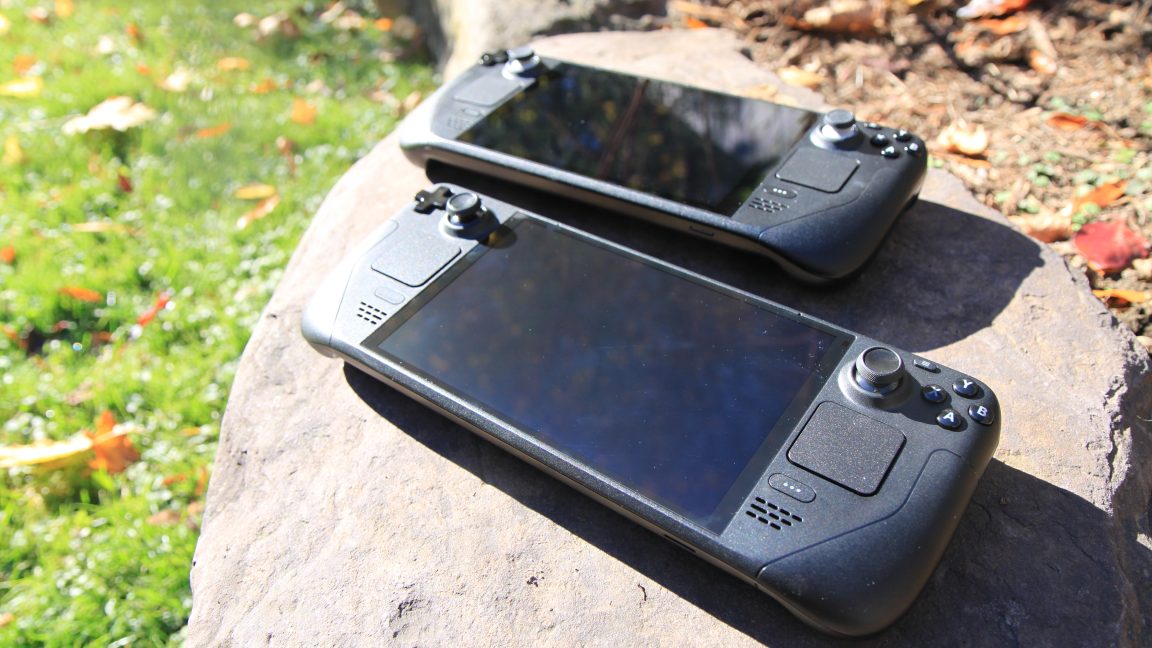
Steam Deck OLED sells out in North America within 24 hours after price increase
Valve's Steam Deck OLED sold out in North America within 24 hours of a significant price increase, while stock remains available in Europe,
 arstechnica.com·15h ago