





















The Enduring Vision of Trinary Computing
By
FromTheArchives

Crisp on the outside, thoughtful on the inside. A keeper.
Summary
The article explores the concept of trinary (ternary) computing as an alternative to binary systems, tracing its history and potential future applications. It discusses how binary computing became dominant due to its straightforward mapping to electrical current states, but argues that trinary systems could offer advantages in areas like artificial intelligence and quantum computing. The author suggests that trinary computing may experience a resurgence as computing needs evolve beyond traditional binary limitations.
Key quotes
· 4 pulledSince the beginning, there has been an alternative vision for computing, not binary but trinary, also called ternary.
Trinary didn't make any headway in the 20th century; binary's direct mapping to the 'on'/'off' states of electric current was just too effective, or seductive.
Remember that electric current isn't actually 'on' or 'off'. It has taken a ton of engineering to 'sim'
The trinary dream endures as computing evolves beyond traditional binary limitations.
You might also wanna read

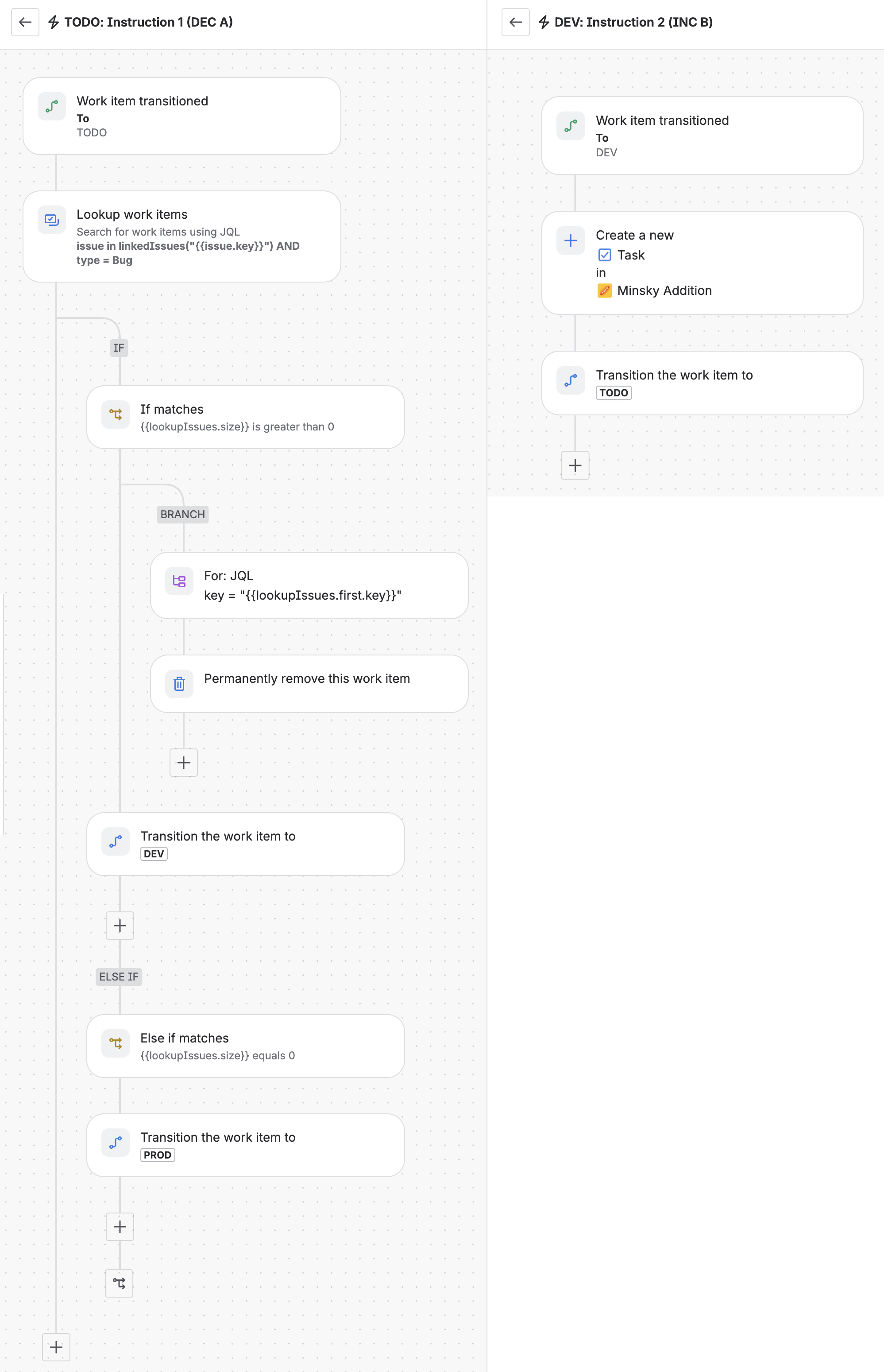
A Formal Proof That Jira Is Turing-Complete via Minsky Machine Implementation
This article provides a formal proof that Jira (Atlassian's project-tracking tool) is Turing-complete by demonstrating how to build a Minsky
A Formal Proof That Jira Is Turing-Complete via Minsky Machine Implementation
This article provides a formal proof that Jira (Atlassian's project-tracking tool) is Turing-complete by demonstrating how to build a Minsky

How Shamir's Secret Sharing Algorithm Enables Threshold Cryptography
This article explains Adi Shamir's Secret Sharing algorithm, a cryptographic method published in 1979 that splits a secret into multiple pie
 ente.com·6d ago
The Origin and Meaning of "Halt and Catch Fire": From IBM Engineering Humor to AMC Show Title
The article explains the origin and meaning of the phrase "Halt and Catch Fire" (HCF), which dates back to early IBM engineering humor as a
 unstack.io·15d ago
The History of Pipes, Forks, and Zombies in Unix Systems
This article discusses the history and concept of pipes in Unix systems, focusing on Doug McIlroy's original vision of coupling programs lik

Demystifying Floating Point Numbers: An Interactive Guide
An in-depth technical blog post that demystifies floating point numbers, explaining their internal representation and behavior. The author i
 ciechanow.ski·1mo ago