





















The Duality of C Programming: Technical Appeal vs. Security Risks
By
OneLessThing

Properly proved. Has structure, has flavour, has a point.
Summary
The author expresses a deep personal love for the C programming language, citing its portability, speed, and the intimate connection it provides with the computer. However, they acknowledge C's inherent dangers, particularly memory safety issues, and argue that sharing new C projects with wider audiences is "borderline malicious" due to security risks. The article appears to be a personal reflection on the tension between C's technical appeal and its security vulnerabilities.
Key quotes
· 4 pulledI love C because when I write C I feel an intimate connection with my computer
To me, C has soul
The problem is that C is dangerous and sharing new C projects to wider audiences is borderline malicious
As a security researcher I'm always trying to sharpen my skills
You might also wanna read

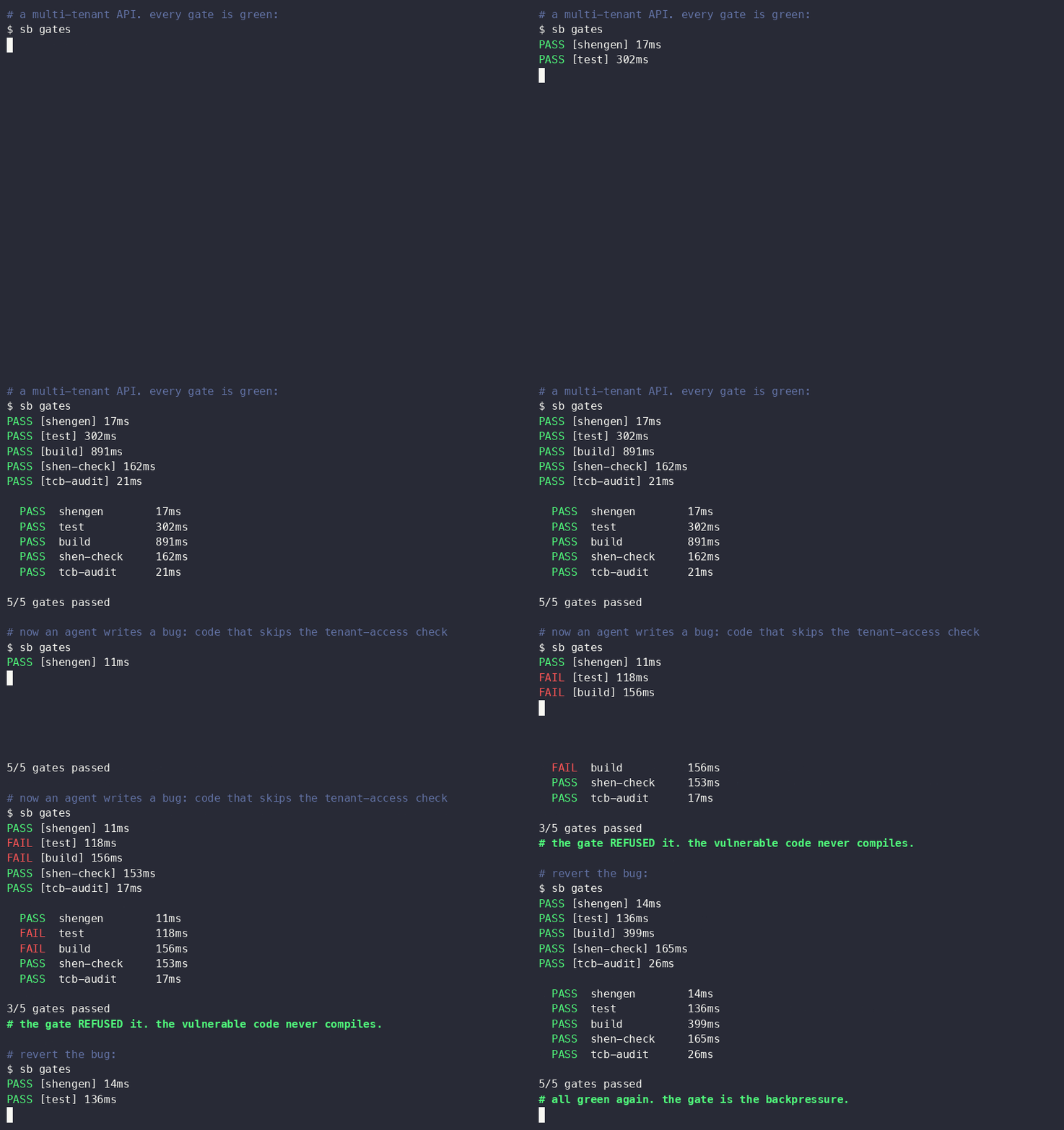
Why Structural Backpressure Prevents Security Bugs Better Than Smarter AI Agents
The article argues that the most serious software bugs, like broken access control (OWASP #1), persist not because developers disagree on th
 reubenbrooks.dev·11d ago
Satirical piece mocks npm ecosystem's recurring supply chain security vulnerabilities
A satirical article about a supply chain attack in the npm JavaScript package registry. The piece mocks the JavaScript developer community's
 kevinpatel.xyz·16d ago
Rust is not for every project: A critical look at the hype behind Amazon, Cloudflare, and Discord's adoption
The article critically examines the hype around Rust programming language, arguing that while Rust has strengths in safety and performance,
 kerkour.com·18d ago
A Grounded Conceptual Model for Ownership Types in Rust Programming
This article presents a grounded conceptual model for ownership types in Rust, the programming language known for memory safety without garb
 cacm.acm.org·1mo ago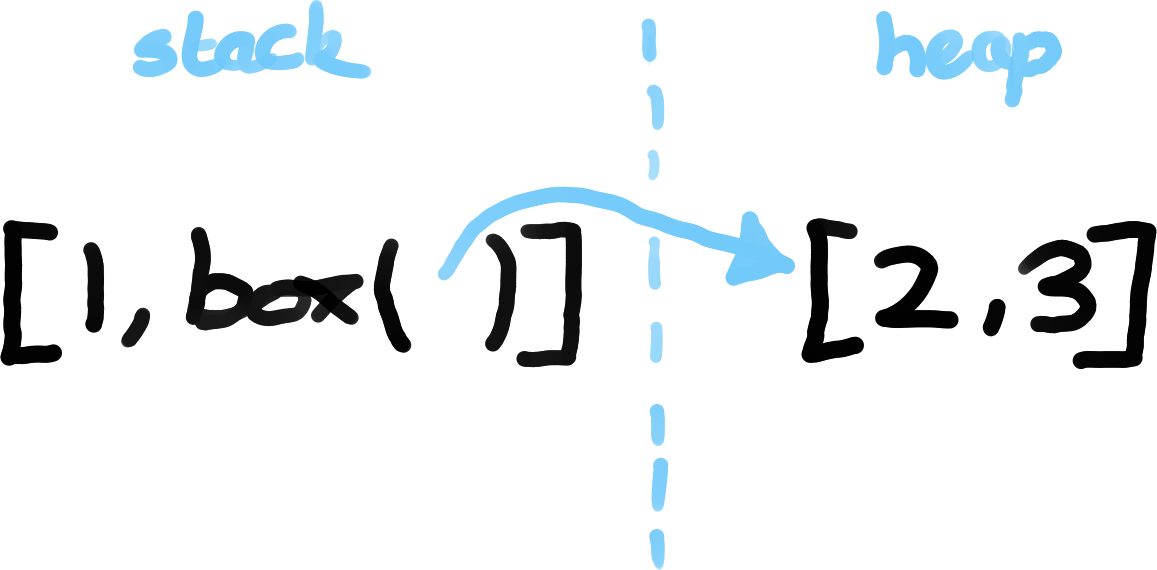
Dynamic Borrow-Checking in a Toy Programming Language: Implementing Rust-like Memory Safety Without Static Types
This article presents a demonstration of a toy programming language that implements borrow-checking without static type-checking. The langua
 scattered-thoughts.net·1mo ago
Linux Kernel Developers Propose Removing Legacy Code in Response to LLM-Generated Security Reports
The article discusses ongoing efforts to remove legacy kernel code from the Linux kernel, primarily from the networking subsystem, as a resp
 lwn.net·1mo ago