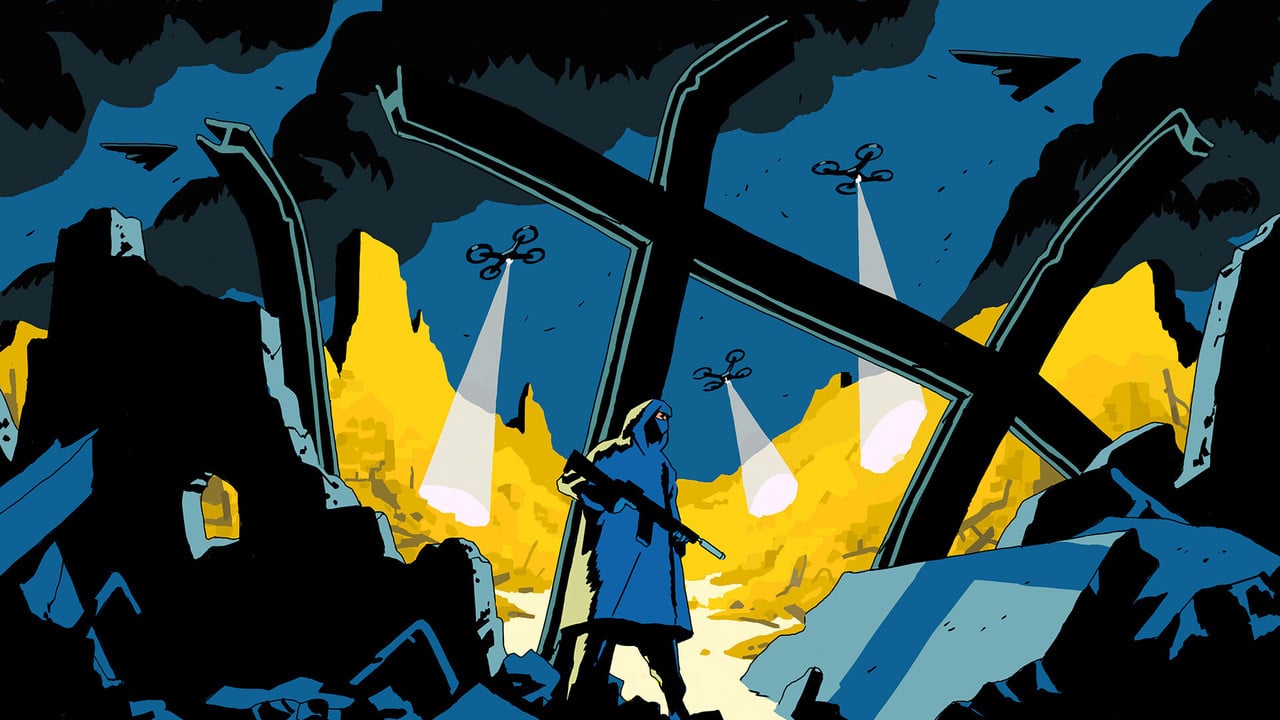
Modern warfare's shifting dynamics: Why air superiority no longer guarantees victory
By
The Economist
3d ago· 4 min readenInsight

65/100
Toasty
Bagelometer↗
A weekday bagel. Dependable, satisfying, no fuss.
Score65TypeanalysisSentimentneutral
Summary
The article examines how modern warfare has evolved, challenging traditional assumptions about air superiority. Drawing on expert analysis from Franz-Stefan Gady, it argues that air superiority is harder to establish and maintain than in the past, and that it buys less tactical advantage. The battlefield below 4,000 meters is increasingly decoupled from air operations above that ceiling, with mass-produced drones and other technologies reshaping conflict dynamics. The piece assesses how NATO-Russia scenarios would play out differently than conventional military doctrine predicts.
Key quotes
· 3 pulledSir Tony is almost certainly correct that in a war between, say, NATO and Russia, the alliance would establish something like air superiority (providing, that is, that America committed itself to the fight).
Air superiority has not just become harder to establish and maintain, says Franz-Stefan Gady, an Austrian military expert; it also buys you less than it used to.
Below 4,000 metres (13,000 feet) the battlefield is increasingly 'decoupled' from what happens above that ceiling.
Our defence editor assess how conflicts have changed in recent years