





















The Limits of Boolean Thinking: How Binary Questions Constrain Our Worldview
By
boris_m

Baker's choice. Dense with flavour, light on filler.
Summary
This essay critiques "boolean thinking" — the forced binary (yes/no) pattern of thought imposed by yes/no questions. The author argues that this mode of thinking oversimplifies complex realities, limits nuanced understanding, and is part of a broader problem where the pursuit of universal, all-encompassing ideas undermines clear thinking. The piece is presented as a philosophical exploration of how binary logic constrains our worldview, serving as a prequel to a previous essay on universality.
Key quotes
· 3 pulledEvery time someone asks you a yes/no question, you are being coerced into accepting a pattern of thought that we'll call boolean thinking.
Our ambition to discover ideas that are all-encompassing and eternal makes our worldview crumble, leaving us unable to think clearly even about simple issues with obvious solutions.
You can think of this essay as a prequel to 'When Universality Breaks.'
You might also wanna read

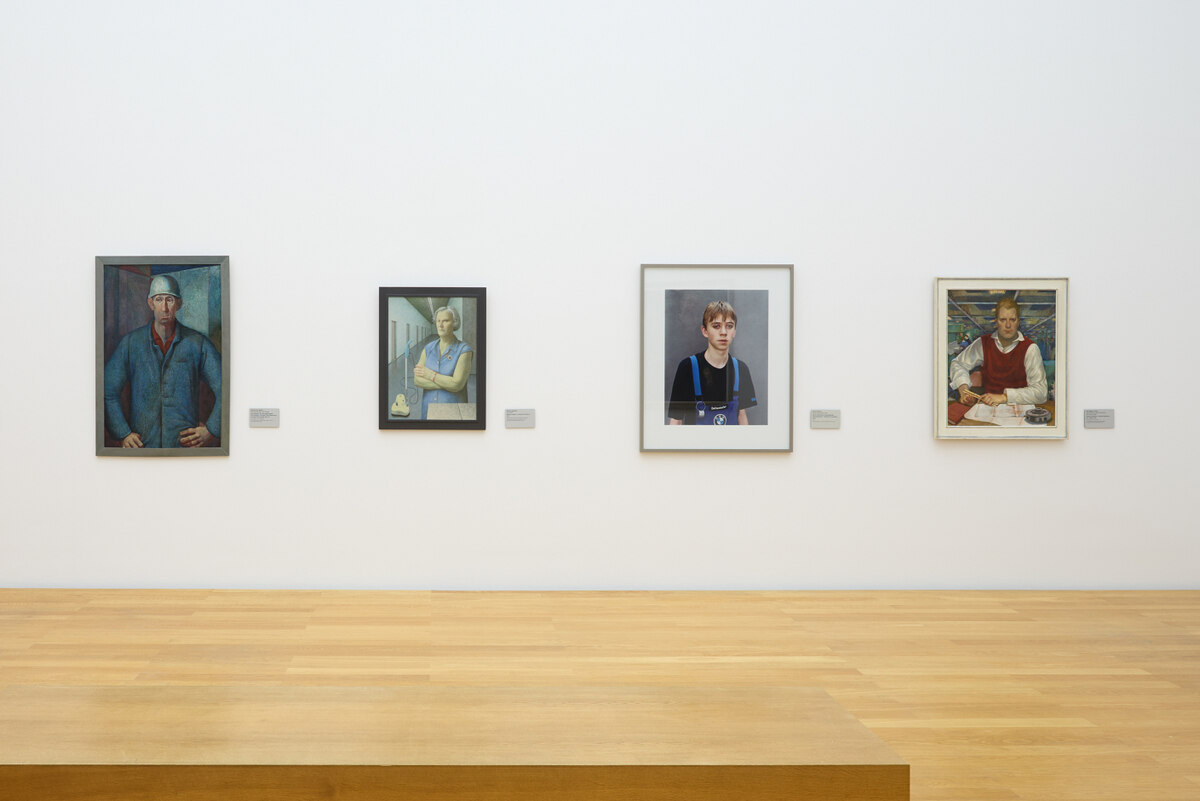
Curator Jenny Graser on DDR Art at Leipzig Museum: Art Speaks Across Eras
Interview with Jenny Graser, curator at the Museum der bildenden Künste Leipzig, discussing DDR (East German) art in contemporary museum con
 taz.de·2h ago
Diné Weaver Roy Kady on the Intertwined Roles of Shepherd and Artist
Diné weaver and fiber artist Roy Kady, a shepherd first and artist second, discusses his decades-long career in traditional Navajo weaving.
 hyperallergic.com·6h ago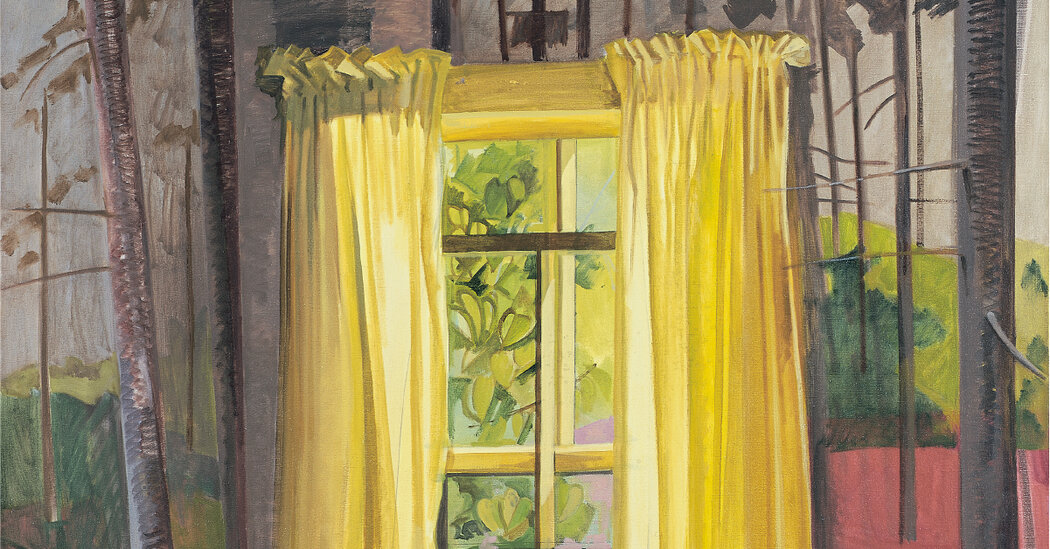
A 10-Minute Guided Viewing of Lois Dodd's 'The Painted Room'
A guided, immersive 10-minute art viewing experience of Lois Dodd's painting "The Painted Room." The article walks readers through observing
 nytimes.com·19h ago
Porter County Museum opens exhibit celebrating 175 years of the Porter County Fair
The Porter County Museum has launched a new ongoing exhibit titled "Our Heart of Hearts: The Porter County Fair," celebrating the 175th anni
 chicagotribune.com·3d ago
Byrne's Euclid: A Digital Reproduction of the 1847 Colored Geometry Classic
A digital reproduction and enhancement of Oliver Byrne's 1847 edition of Euclid's Elements, which famously used colored diagrams and symbols
 c82.net·8d ago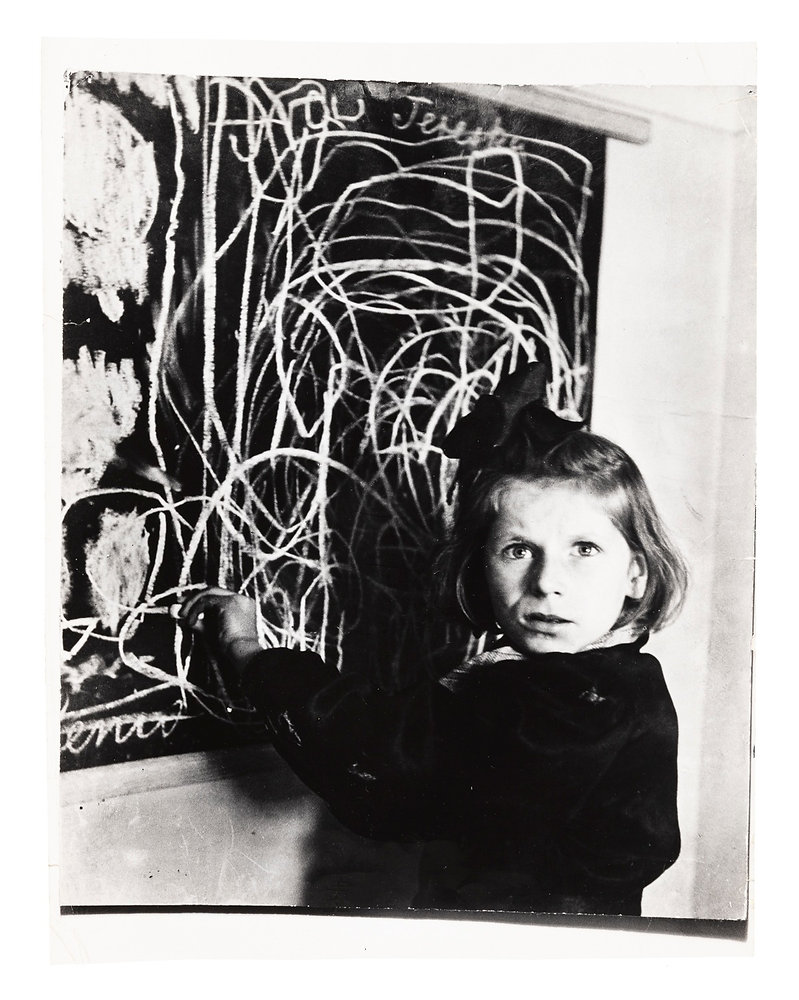
The Haunting Photograph of Tereska: A War-Traumatized Child's Drawing of "Home"
The article recounts the story of Tereska, a war-traumatized child in post-WWII Warsaw, who was photographed by David "Chim" Seymour in 1948
 gailweiner.com·11d ago