





















Reviewing The Wallflowers' "#1 Alternative Hit "One Headlight"
By
Tom Breihan

Hand-rolled, kettle-boiled, baked to perfection. Worth every minute at the bakery.
Summary
This article is part of a column series reviewing every #1 single on the Billboard Modern Rock Tracks/Alternative Songs chart. The specific installment covers The Wallflowers' "One Headlight," which reached #1 on the alternative chart in 1997. The article contextualizes the song within the career of The Wallflowers (led by Jakob Dylan), the broader alternative rock landscape of the late 1990s, and includes a framing anecdote about Bob Dylan's health scare in 1997. The piece is a retrospective music review and analysis.
Key quotes
· 3 pulledBob Dylan had a pretty good year in 1997. In June, he was hospitalized for a heart condition, but he made a full recovery.
Can a near-death experience be part of a good year? I'm going to say that it can, since it's 29 years later and he's still on the road.
In The Alternative Number Ones, I'm reviewing every #1 single in the history of the Billboard Modern Rock Tracks/Alternative Songs, starting with the moment that the chart launched in 1988.
You might also wanna read

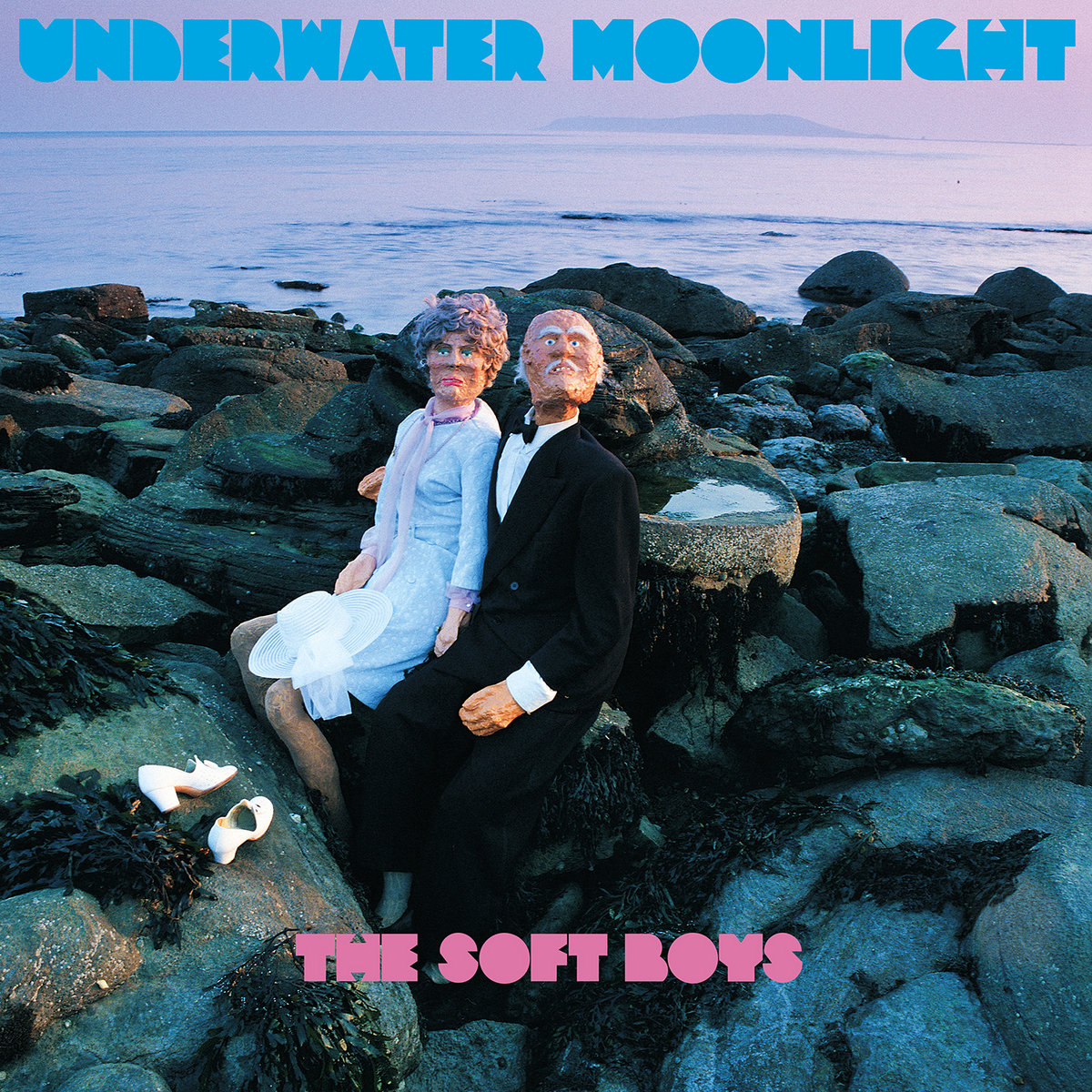
Underwater Moonlight at 45: How The Soft Boys' Cult Classic Bridged Psychedelia and Post-Punk
A review and retrospective analysis of The Soft Boys' 1980 album 'Underwater Moonlight' on the occasion of its 45th anniversary remaster. Th

Spotify
open.spotify.com·14d ago
Exploring Modern Apathy and Technological Disconnection Through Personal Reflection
This appears to be a lengthy, unconventional article that begins with a direct address to readers, acknowledging that some may not want to c
 scottsmitelli.com·3mo ago
Gregg Allman's 20 Essential Songs: A Retrospective of a Southern-Rock Pioneer
A comprehensive retrospective of Gregg Allman's 20 essential songs, exploring how the Southern-rock pioneer fused country-blues with San Fra
 Rolling Stone·1d ago
Spotify
open.spotify.com·7d ago
Dewey Bunnell Reflects on Legacy of America and Contemplates Retirement in Rolling Stone Interview
Rolling Stone's "Last Man Standing" interview series features a long-form conversation with Dewey Bunnell, the last surviving and touring or
Rolling Stone·28d ago