





















Inside the Intel 8087: A deep dive into the 69-bit adder that powered early floating-point math
By
pwg

Sesame, salt, and substance. A flagship bake.
Summary
This article provides a detailed technical analysis of the 69-bit adder circuitry at the heart of Intel's 8087 floating-point coprocessor, released in 1980. The chip accelerated mathematical operations up to 100x and handled transcendental functions like tangent, exponentiation, and logarithms. The author explains the adder's nanomachine architecture, including its registers, shifters, and control circuitry, with die photos and circuit-level analysis.
Key quotes
· 3 pulledThe arithmetic heart of the floating-point execution unit is centered about a nanomachine comprised of the adder and its related registers, shifters and control circuitry, as the patent describes it.
In 1980, Intel released the Intel 8087 floating-point coprocessor, a chip that could make math up to 100 times faster.
As well as arithmetic and square roots, the 8087 computed transcendental functions including tangent, exponentiation, and logarithms.
You might also wanna read

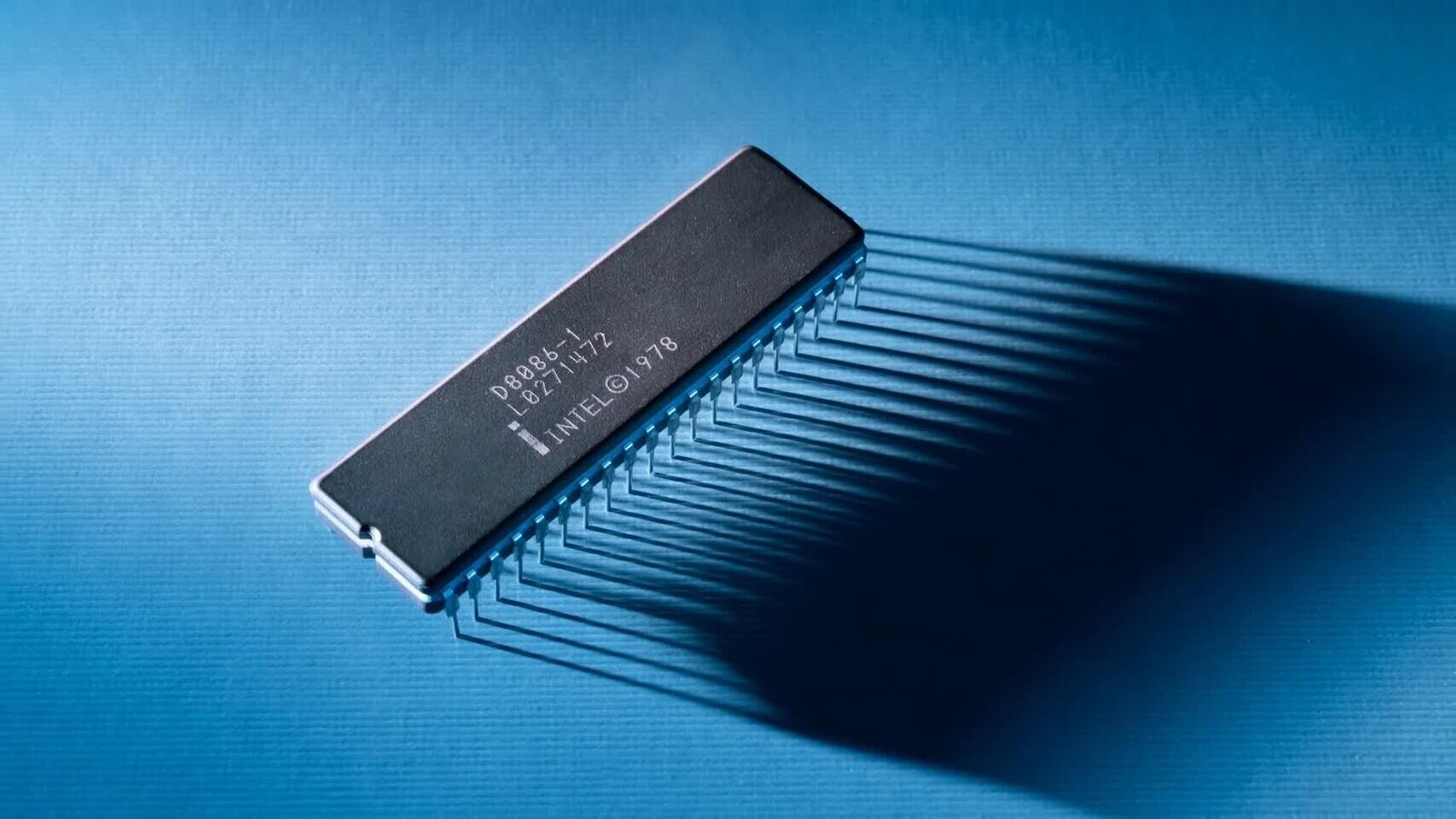
Intel 8086, the first x86 chip, marks 48 years since its 1978 debut
Intel celebrated 48 years of the 8086 microprocessor, the foundational chip for the x86 architecture introduced in 1978. The 16-bit processo
 techpowerup.com·4d ago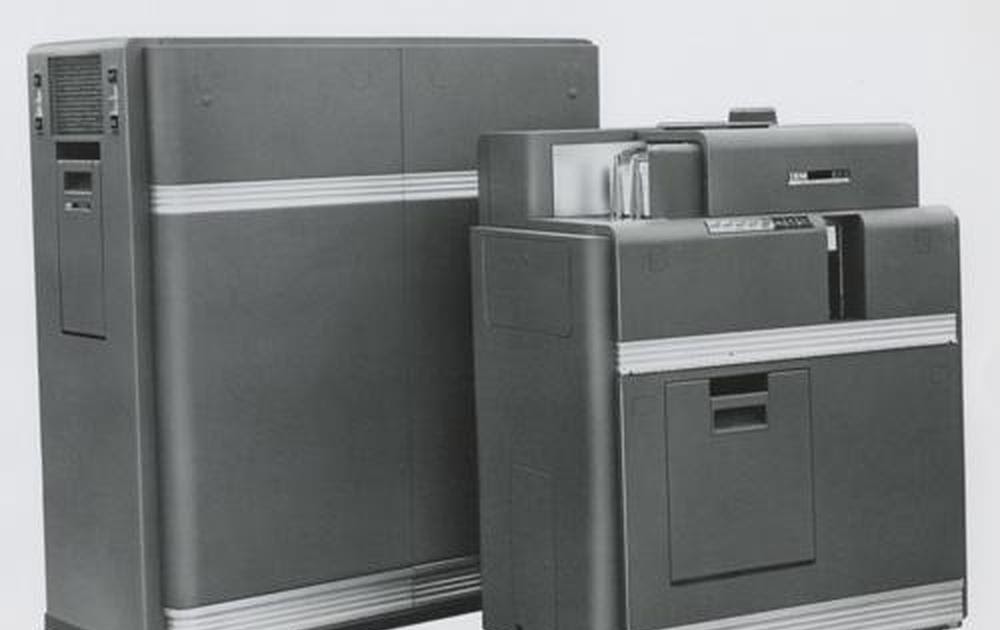
Restoring and powering up a vacuum-tube module from IBM's 1948 electronic calculator
The article explores the IBM 604 electronic calculator from 1948, a transitional machine that bridged electromechanical punch card equipment
 righto.com·6d ago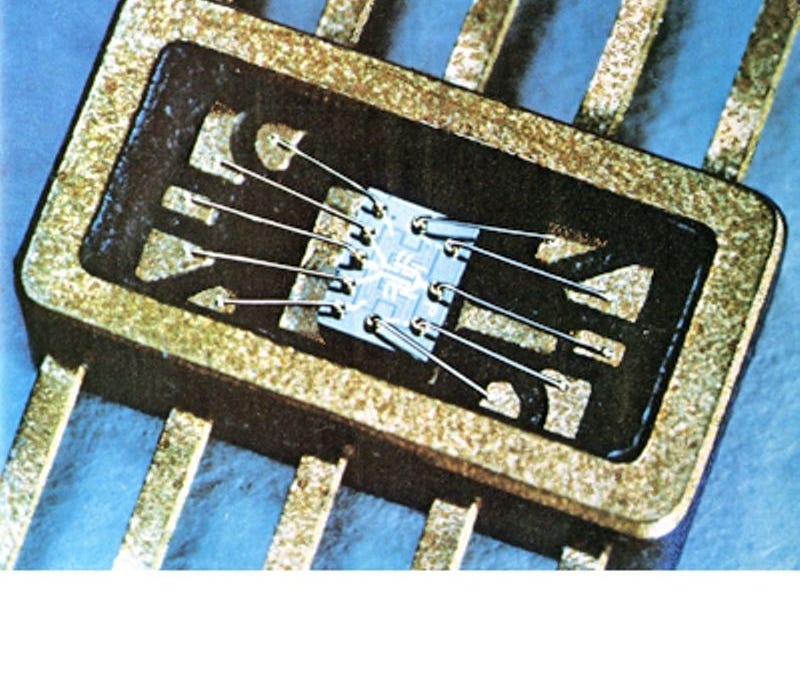
The Historical Evolution of Semiconductor Scaling and the Rise of Chiplets
This article traces the historical evolution of semiconductor scaling, from vacuum tubes and early transistors to modern integrated circuits
 chipstrat.com·8d ago