





















Ten years after Brexit: the unfulfilled promises and economic costs of leaving the EU
By
Joe Connor

Pure flour-power. Hearty enough to carry you through lunch.
Summary
As Britain approaches the ten-year anniversary of the 2016 Brexit referendum, the article examines the promises made by the Leave campaign against the economic reality. Key Leave pledges—such as £350 million per week for the NHS, trade deals, and economic prosperity—are shown to be unfulfilled. The UK economy is now 6-8% smaller than it would have been inside the EU, business investment is 12-18% lower than comparable countries, and the annual cost is estimated at billions. The piece attributes responsibility to key Leave campaign figures for what it calls one of the biggest political deceptions in modern British history.
Key quotes
· 4 pulledOn 23 June 2026, Britain will mark ten years since the referendum that changed everything.
A decade since 17.4 million people voted Leave on the basis of promises that were, in almost every measurable particular, false.
The economy is between 6% and 8% smaller than it would have been had we stayed.
Business investment has been between 12% and 18% lower than comparable countries.
You might also wanna read

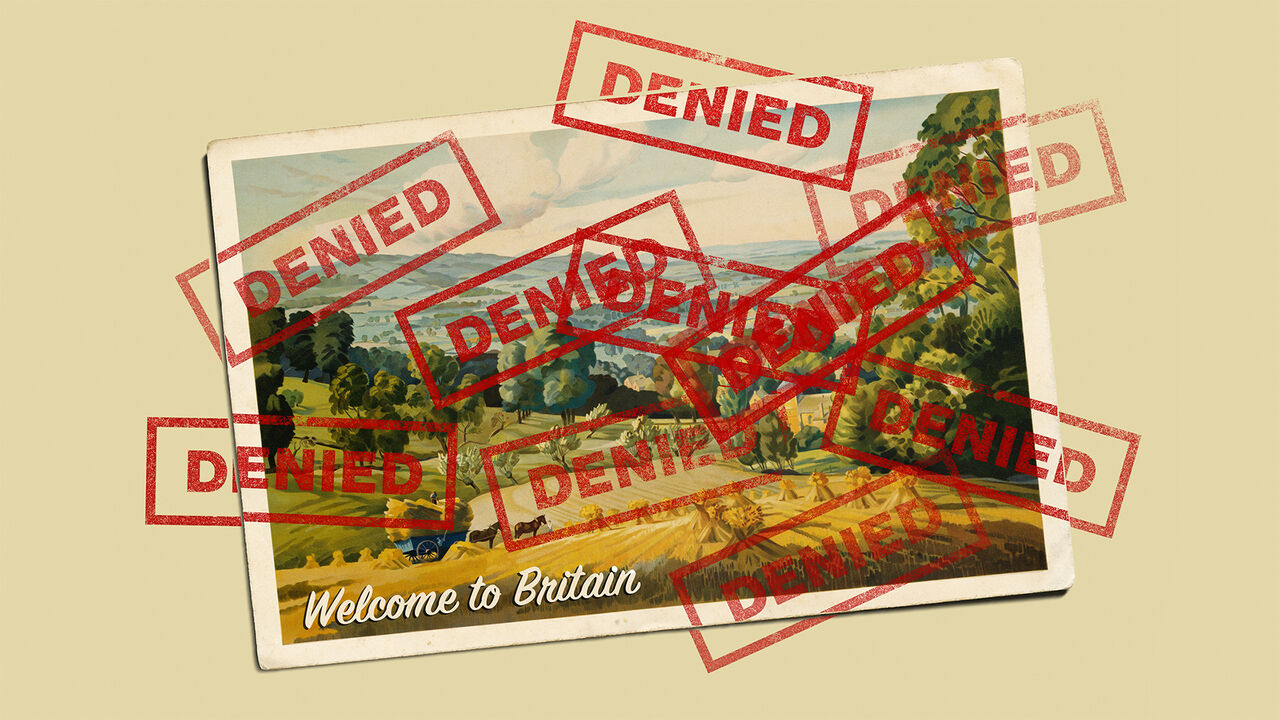
Britain's immigration crackdown comes at a cost to its economy
This article from The Economist (May 2026) argues that Britain's immigration policies have shifted from being wide open to overly restrictiv
 economist.com·11d ago
Brexit reduced UK GDP by 6-8%, investments by 12-18% [pdf]

UK Government Commits £900m to Sporting Events and Facilities Investment
The UK government pledges to invest £900m in major sporting events and grassroots facilities, including support for international events lik
bbc.com·11mo ago
Poll: 83% of UK 16-24 Year Olds Would Vote to Rejoin EU in New Referendum
A new poll conducted by Savanta for ITV's Peston programme reveals that 83% of 16 to 24-year-olds in the UK would vote to rejoin the EU in a
 itv.com·3mo ago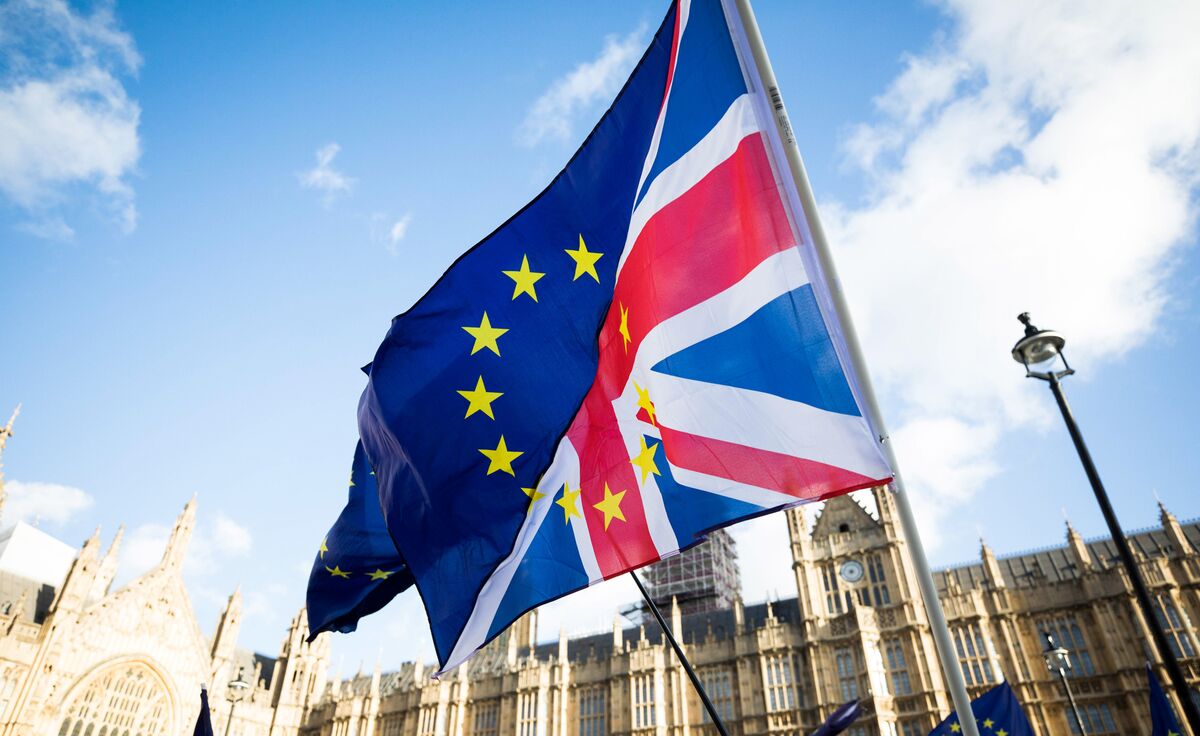
Ipsos Poll: 52% of Britons Now Support Rejoining the EU, Reversing 2016 Brexit Result
A new Ipsos poll of 1,137 British adults shows that 52% of Britons now think the UK should rejoin the European Union, reversing the 2016 Bre
 bloomberg.com·2d ago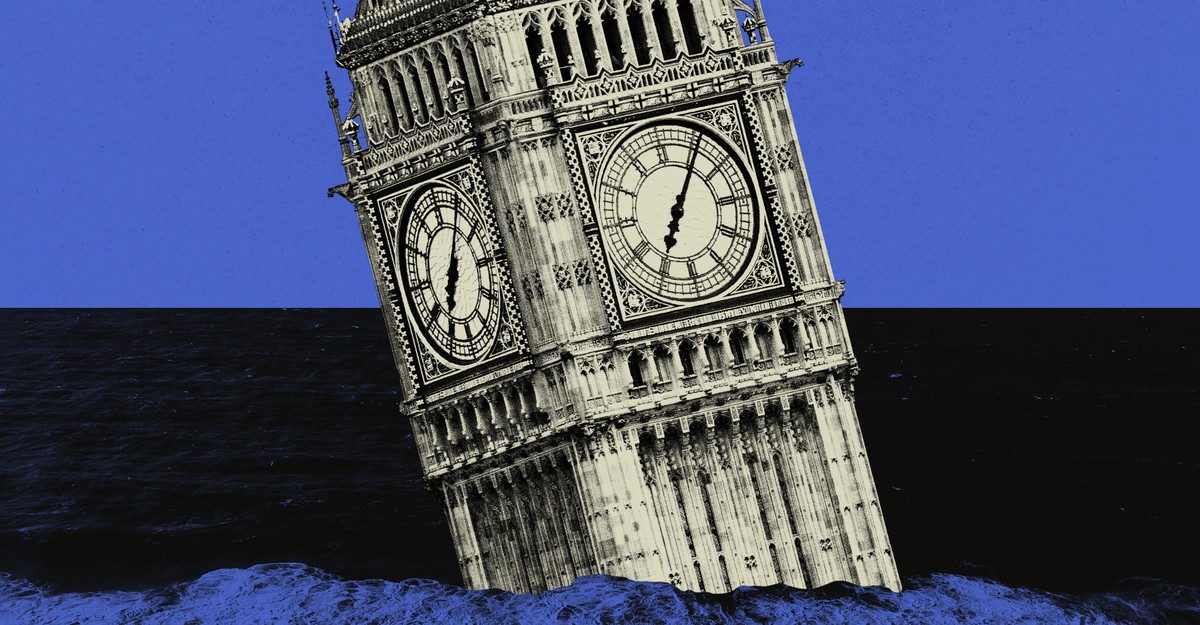
Britain's Economic Decline: A Case Study in Self-Sabotage Since 2007
The article argues that Britain has experienced severe economic decline since the 2008 financial crisis, with output per person now barely e
 theatlantic.com·9h ago