





















Technical Deep Dive: Fly.io's Sprites Container Execution Platform Architecture
By
sethev

Fresh out the oven, still warm. Top of the tray.
Summary
Fly.io introduces Sprites, a new container execution platform that represents a novel approach to running containers without traditional Docker infrastructure. The article explains the technical implementation and design philosophy behind Sprites, describing it as 'Docker without Docker without Docker' - a platform that runs containers on Fly.io's global hardware but with a fundamentally different architecture than conventional container systems. The content focuses on the technical internals and educational aspects of this new platform.
Key quotes
· 4 pulledSprites are something new: Docker without Docker without Docker.
We're Fly.io, and this is the place in the post where we'd normally tell you that our job is to take your containers and run them on our own hardware all around the world.
So that we may educate as well as horrify: the internals of our new Sprites execution platform.
But last week, we launched Sprites, and they don't work that way at all.
You might also wanna read


Microservices vs. Monolith: When Simplicity Wins Over Complexity
The article examines the microservices vs. monolith debate, highlighting Amazon's surprising reversal where Prime Video cut costs by 90% by
 docker.com·6mo ago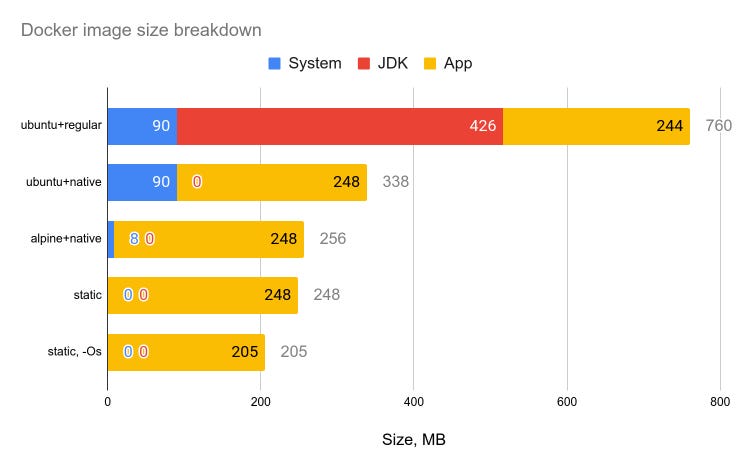
Running a Lucene Search Engine in AWS Lambda: Technical Challenges and Performance Results
The article describes an experimental approach to running a real search engine in AWS Lambda functions, challenging the conventional wisdom
 nixiesearch.substack.com·6mo ago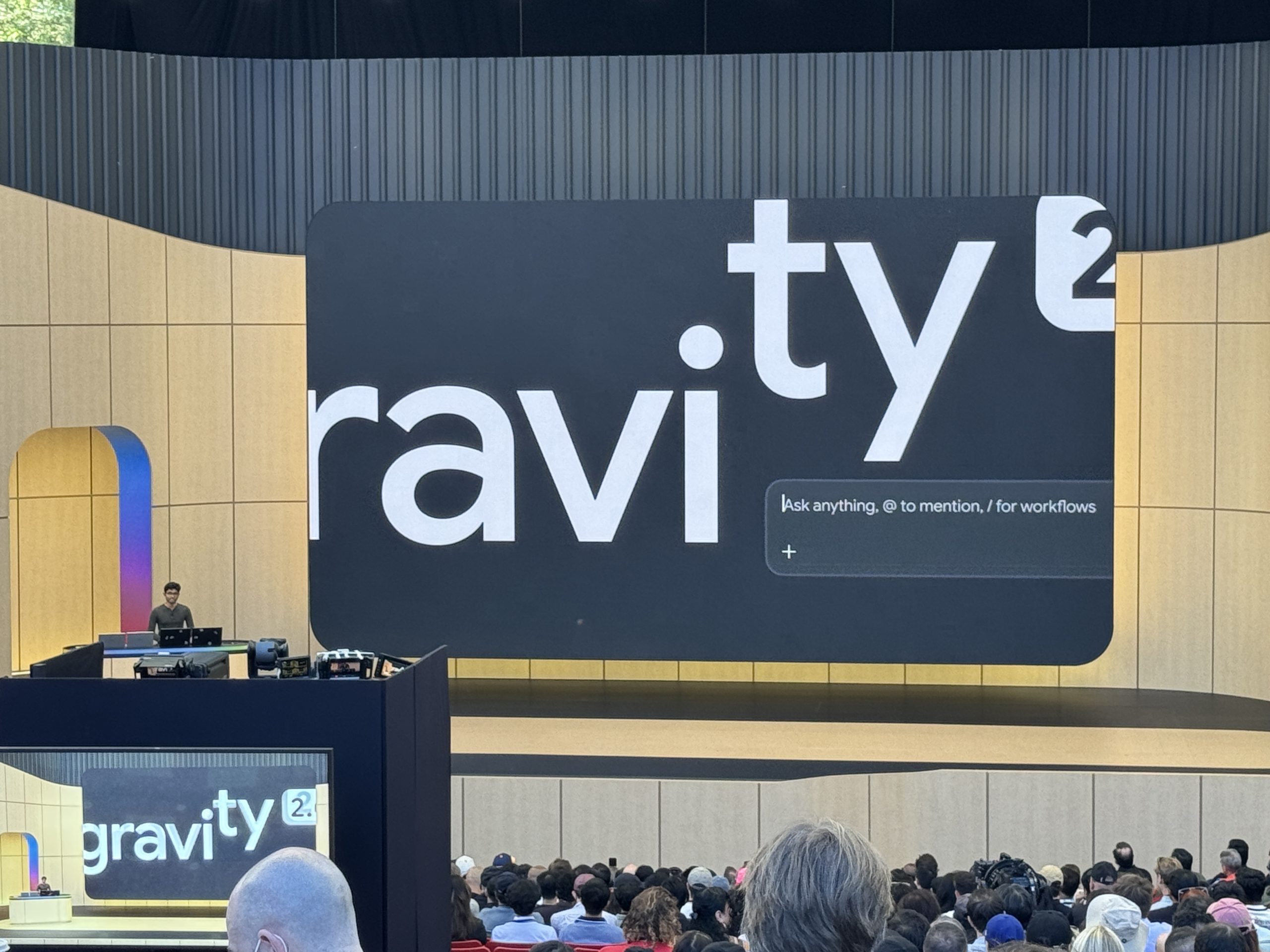
Google enters AI agent runtime race as the infrastructure layer becomes commoditized
Google repositioned Antigravity as a platform for developing and managing teams of autonomous AI agents at its I/O conference. The platform
 bit.ly·15h ago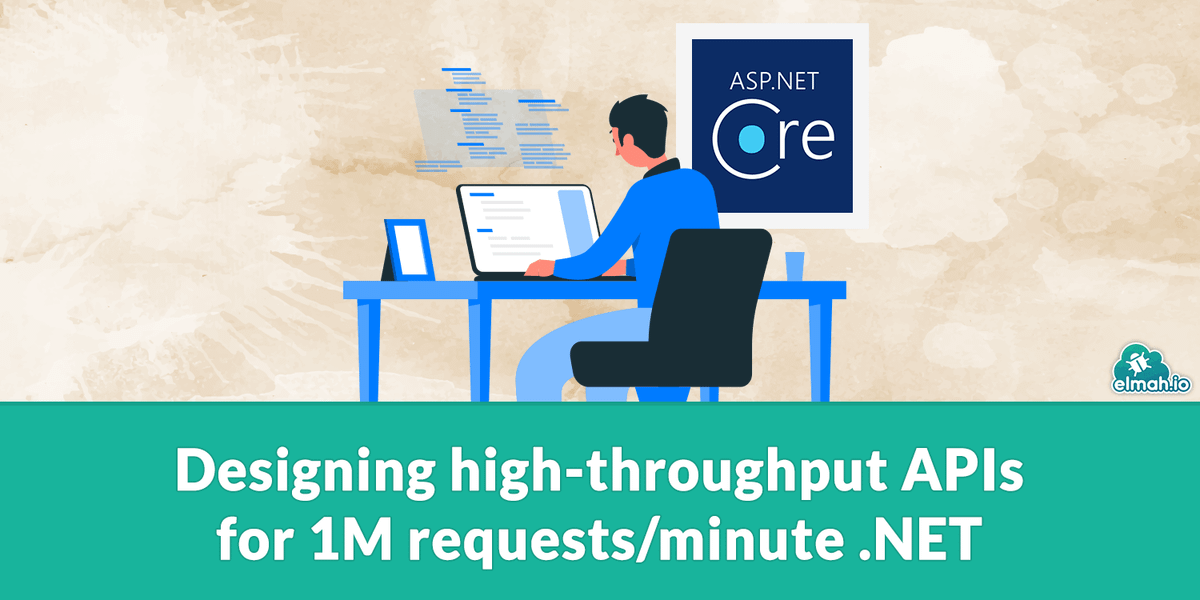
Optimizing .NET APIs for High Throughput: Techniques for 1M Requests Per Minute
Article discusses techniques for designing high-throughput .NET APIs capable of handling 1M requests per minute. It covers horizontal scalin
 blog.elmah.io·21h ago
SQLite as a Viable Alternative for Durable Workflow Execution
The article argues that SQLite can replace complex orchestration systems for durable workflow execution in many cases. It builds on DBOS's a

JWT vs Opaque Tokens: A Technical Comparison for API Security Architecture
This article compares JWT (JSON Web Tokens) and opaque tokens for API security, clarifying the common confusion between bearer tokens and JW
 nordicapis.com·2d ago