





















Study Reveals Evidence Gaps in Air Cleaning Technologies for Respiratory Infection Prevention
By
PaulHoule

Kettled twice. Extra chewy, extra trustworthy.
Summary
A comprehensive study led by University of Colorado Anschutz Medical Campus and NIOSH/CDC researchers analyzed nearly 700 studies from 1929-2024 on air cleaning technologies like HEPA filters and UV systems. The research, published in Annals of Internal Medicine, found significant gaps in evidence for technologies claiming to prevent respiratory infections like COVID-19 and flu. Most technologies haven't been tested on people, and their potential risks remain poorly understood despite widespread claims about their effectiveness.
Key quotes
· 3 pulledAlthough many technologies claim to clean indoor air and prevent the spread of viruses like COVID-19 and the flu, most have not been tested on people
Their potential risks are not yet fully understood
The research analyzed nearly 700 studies between 1929 and 2024 on engineering controls such as HEPA filters, UV
You might also wanna read

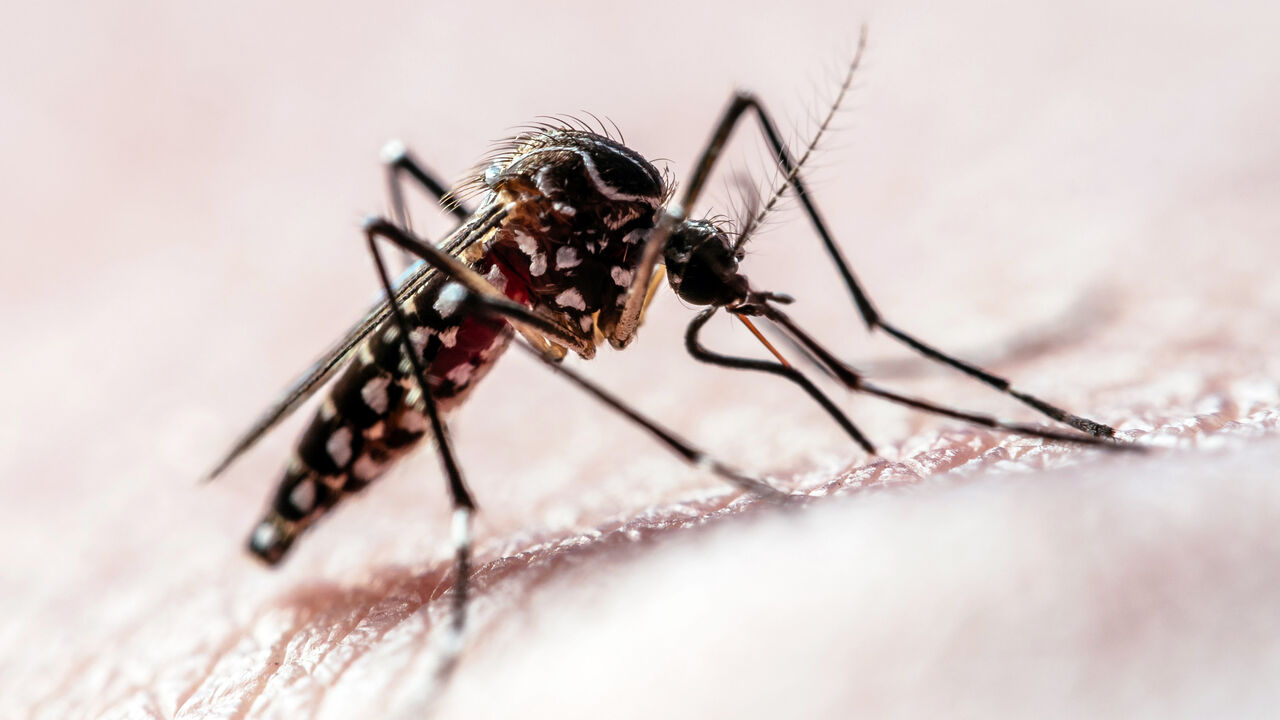
Some mosquitoes may be overcoming their aversion to DEET repellent
DEET, the gold standard mosquito repellent, works largely because mosquitoes find it unpleasant. However, new research suggests some mosquit
 economist.com·3d ago
How the CircaVent project aims to destigmatize mental health and advance brain research
An interview with Matthew Woodworth about the CircaVent project at the Wyss Institute, which aims to destigmatize mental health issues and d
 wyss.harvard.edu·4d ago
Review of hepatitis B and C care models in Europe: 2015–2025 progress assessment
This paper reviews models of care (MoC) for chronic hepatitis B virus (HBV) and hepatitis C virus (HCV) implemented in the WHO European regi

How Climate Change Is Spreading Dangerous Microbes and Pathogens
This article examines how climate change is accelerating the spread of dangerous pathogens, including "flesh-eating" bacteria and emerging i
 newyorker.com·6d ago
How the shift to P2P methamphetamine may be driving increased psychosis and homelessness
Sam Quinones discusses the shift from ephedrine-based methamphetamine to P2P-based methamphetamine around 2009, and its potential link to in
 dynomight.net·16d ago
Aspartame and the Scientific Consensus: Addressing Public Skepticism
The article discusses aspartame, a synthetic sweetener 200 times sweeter than sucrose, produced largely by Ajinomoto. It acknowledges the na
dynomight.net·1mo ago