





















South Korea's nuclear submarine program set to escalate Indo-Pacific naval competition
By
Gabriel Dominguez

If you only eat one bagel today, this is the bagel.
Summary
South Korea is pursuing nuclear-powered submarines to counter North Korean threats, a move that will intensify naval competition in the Indo-Pacific region. While Seoul frames the program as defensive against North Korea's growing missile and submarine capabilities, the decision has broader geopolitical implications, particularly alarming China and potentially straining relations with the US over nonproliferation concerns. The article examines South Korea's strategic calculations, the technical and diplomatic hurdles involved, and how this fits into the wider naval arms buildup across the Indo-Pacific involving China, Japan, Australia (AUKUS), and others.
Key quotes
· 3 pulledSeoul insists its plan to build the ships is aimed at countering North Korea. But the decision carries implications far beyond this, with China watching particularly closely.
The nuclear-powered submarine USS Annapolis is greeted by South Korean Navy sailors upon its arrival at a naval base on Jeju Island, South Korea, in July 2023.
South Korea's pursuit of nuclear submarines represents a significant shift in the regional security landscape, potentially triggering a new arms race in underwater capabilities.
You might also wanna read

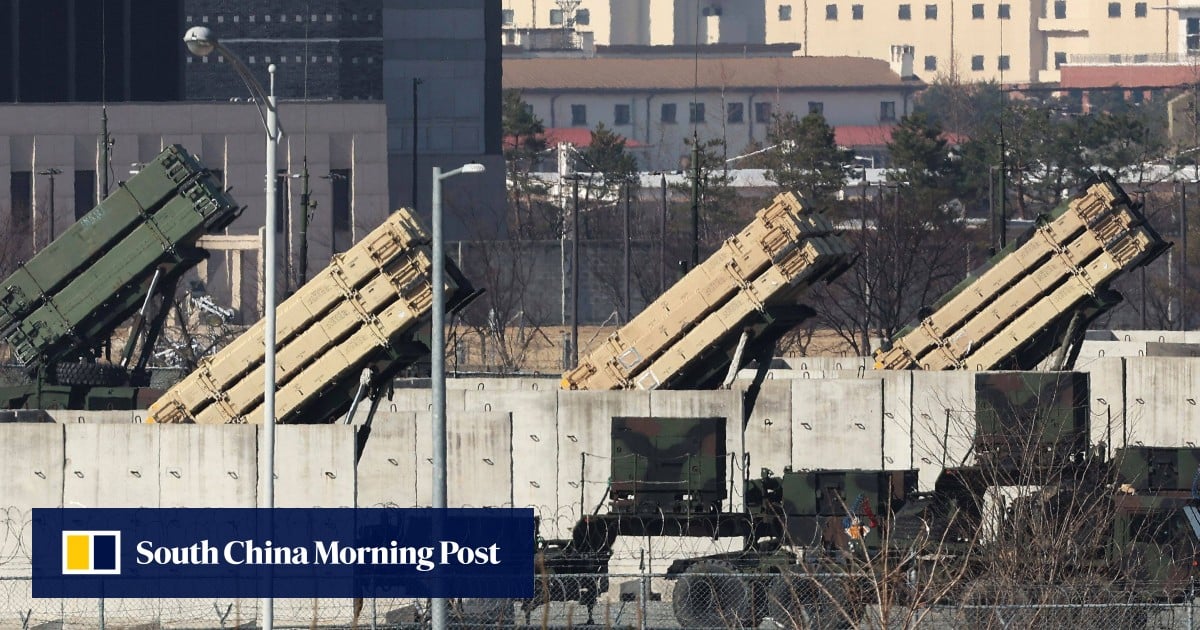
U.S. Missile Defense Withdrawal from South Korea Raises Questions About Military Commitments in Asia-Pacific
The United States is withdrawing missile-defense systems (Patriot batteries and THAAD components) from South Korea to support military opera
 scmp.com·3mo ago
PLA-affiliated researchers argue Starlink militarization threatens global strategic stability
Two researchers from the PLA-affiliated National University of Defense Technology argue that Starlink's military applications will negativel
 interpret.csis.org·2mo ago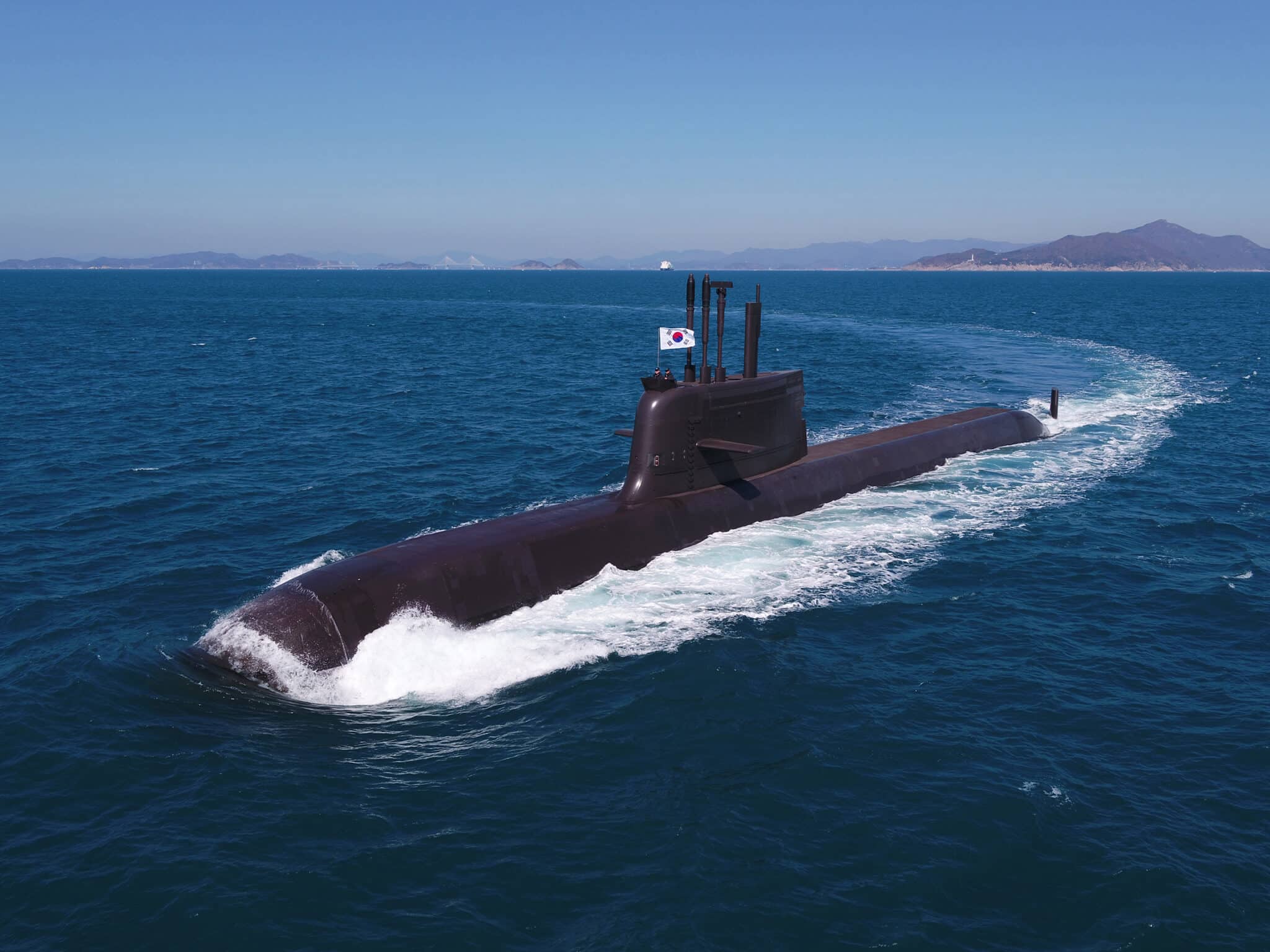
U.S. Authorizes South Korea to Build Nuclear Submarines on American Soil
U.S. President Donald Trump announced that the U.S. government has authorized South Korea to build nuclear submarines on American soil, spec
 navalnews.com·6mo ago
Taiwan Strait: A Structural Fault Line in the Indo-Pacific Balance of Power
The article argues that the Taiwan Strait conflict is not merely a political dispute but a fundamental structural fault line in the Indo-Pac
 jstribune.com·15d ago
US Faces Strategic Vulnerability in Tungsten Supply Chain Amid Growing Demand
The article discusses America's critical dependence on Chinese tungsten production and the growing strategic vulnerability this creates. Tun
 noleary.com·4mo ago
Geopolitical Tensions in AI: US-China Chip Export Policies and National Security Implications
The article discusses the geopolitical tensions around AI technology between the US and China, focusing on Jake Sullivan's efforts as Biden'
 The Verge·5mo ago