





















ShadowCat: Browser-based optical file transfer tool for air-gapped data sharing
By
unprovable

Master baker tier. Every paragraph earns its place on the tray.
Summary
ShadowCat is a single-file, browser-based tool for optical file transfer that encodes data into visual patterns (QR-like codes) displayed on screen, which can then be captured and decoded by another device's camera. It enables air-gapped, offline file transfers between devices using only a browser, with no network connection required. The project is open-source and hosted on GitHub, designed for simplicity and portability in a single HTML file.
Key quotes
· 3 pulledSingle file optical file transfer using a browser
Contribute to unprovable/ShadowCat development by creating an account on GitHub
Skip to content
You might also wanna read


Netflix engineer's open-source tool cuts AI token usage by up to 90%
Netflix senior engineer Tejas Chopra created software called "Project Headroom" that prunes redundant tokens from AI agent instructions befo
 theregister.com·9h ago
Copyparty: A Lightweight File Server That Runs as a Single Python Script
Copyparty is a lightweight, full-featured file server that runs as a single Python script, making it extremely easy to set up without needin
 hackaday.com·11h ago
Researcher's "ADHD" tool for Claude Code claims 2x improvement; experts call for more evidence
Solo researcher Udit Akhouri released a third-party Agent SDK tool called "ADHD" for Claude Code on Reddit, claiming it makes the coding age
 bit.ly·1d ago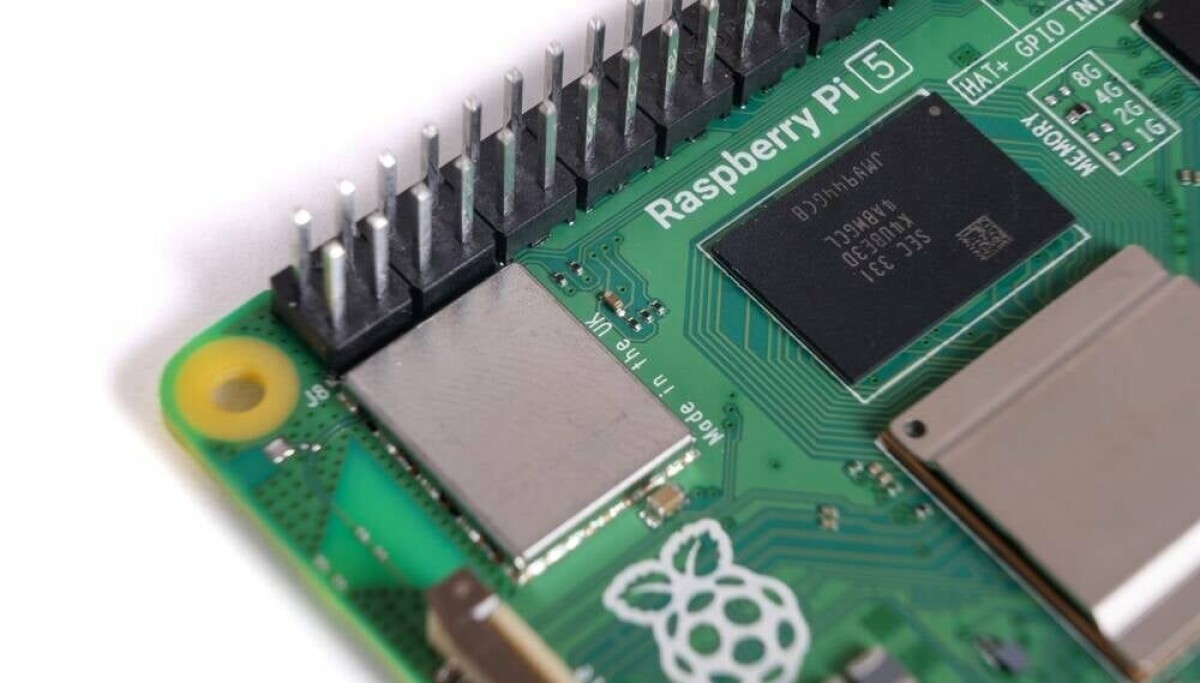
ReactOS open-source Windows NT clone reaches ARM64 boot milestone on Raspberry Pi 5
ReactOS, the open-source project aiming to recreate Windows NT, has achieved a new milestone by booting on ARM64 architecture. The experimen
theregister.com·1d ago
Zig Devlog: Build System Rework Separates Maker and Configurer Processes
This devlog entry from the Zig programming language project announces a major rework of the build system, separating the maker process from
ziglang.org·1d ago
Reflections on DwarfStar 4's rapid rise in local AI inference
The author reflects on the unexpected popularity of DwarfStar 4 (DS4), a local AI inference project. They attribute its success to the conve
antirez.com·1d ago