





















What it means to build an AI-native organization: agents, not just assistants
By
juanre

Sesame, salt, and substance. A flagship bake.
Summary
The article explains the concept of an "AI-native organization" where work is primarily executed by AI agents with named responsibilities, persistent context, and durable handoffs, as opposed to the common "AI-assisted" model where humans use AI tools to accelerate individual workflows. In an AI-native setup, humans focus on direction-setting, judgment, and human-essential tasks like customer relationships and hiring, while AI agents handle the rest of the operational work.
Key quotes
· 3 pulledMost companies are doing 'AI-assisted': employees use ChatGPT or Claude to ship their own work faster.
AI-native is different. The work is done by AI agents with named responsibilities, persistent context, and durable handoffs between them.
Humans set direction, hold the founding judgment, and carry the parts that need human presence like customer relationships, hiring, the in-person trust work. The agents do the rest.
You might also wanna read

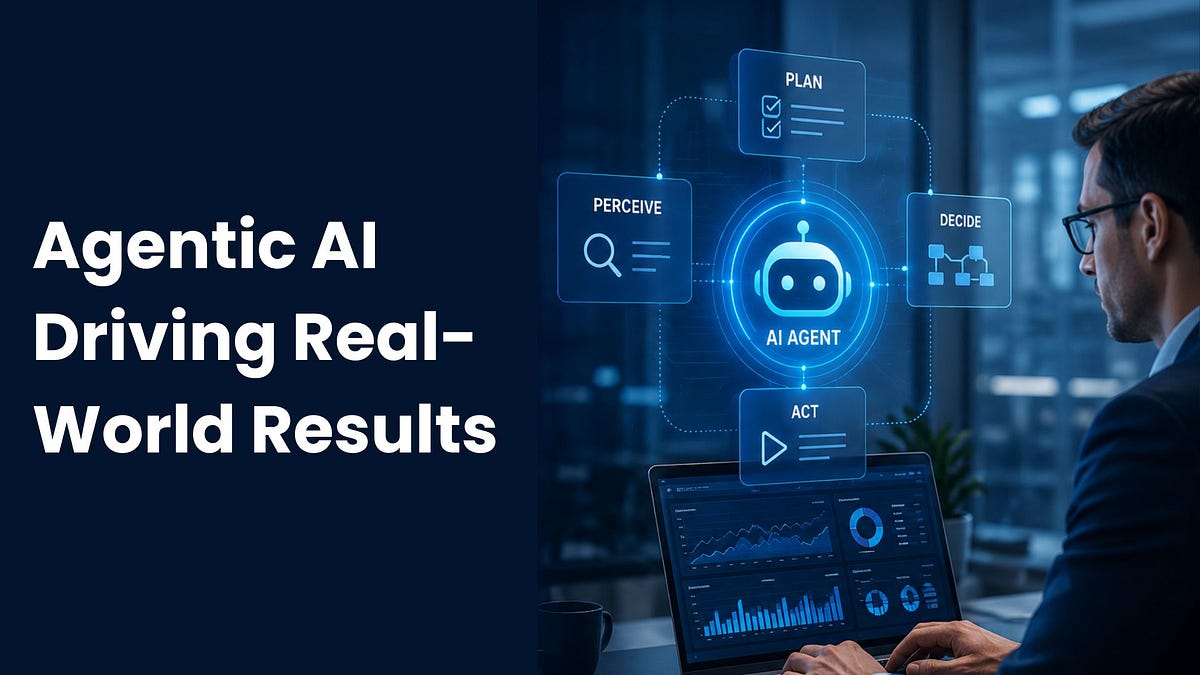
How Agentic AI Is Moving Enterprise AI from Productivity to Autonomous Work
The article discusses the evolution of enterprise AI from basic generative AI tools (drafting emails, summarizing reports) to agentic AI sys
 medium.com·4d ago
Moving Beyond Chatbots: The Case for Dedicated AI Teammates in Enterprise Sales
The article discusses the shift toward agentic AI in 2026, arguing that most enterprises remain stuck in pilot phases ("pilotpalooza") rathe
 buff.ly·1d ago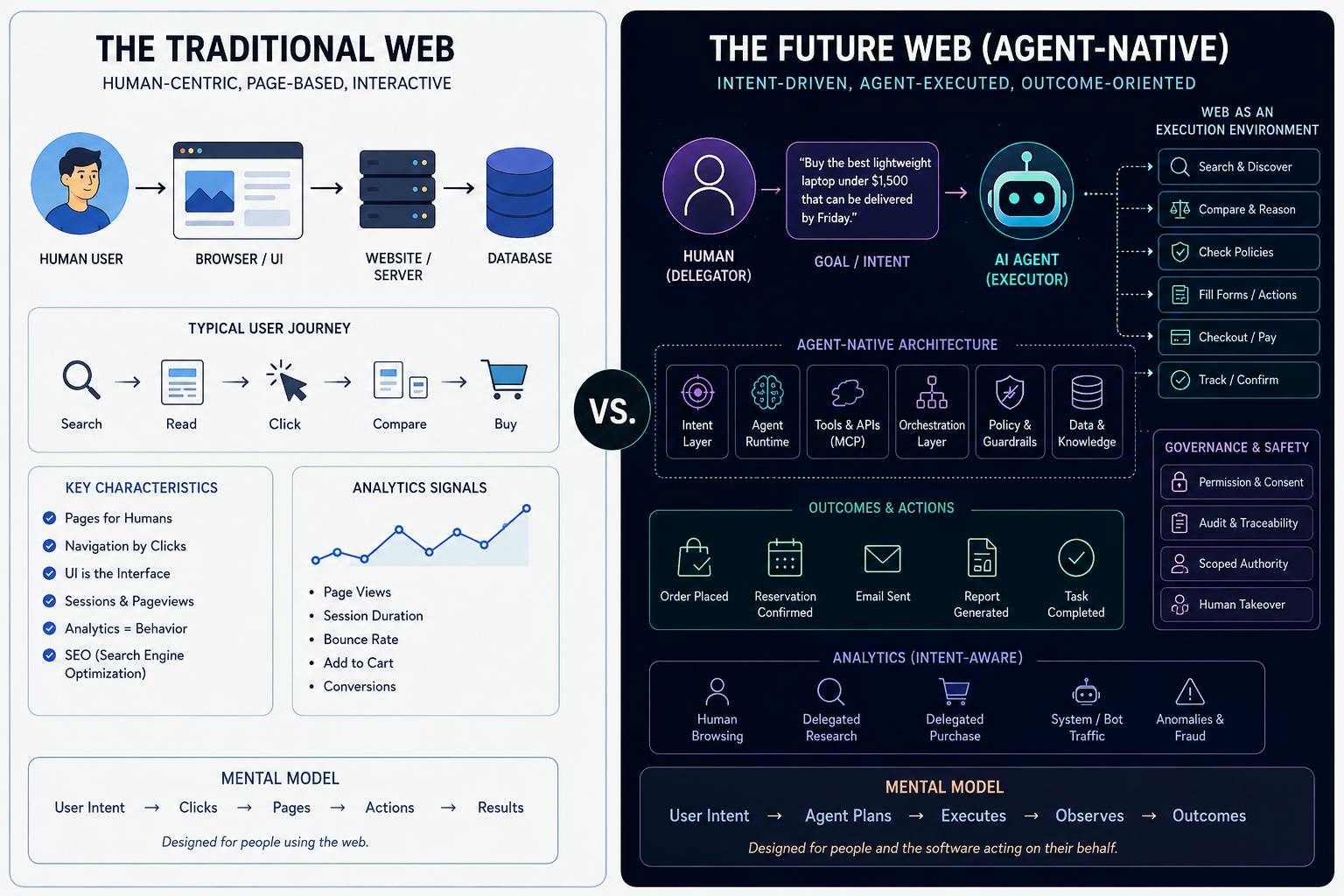
The Web's Shift to Agent-Native Architecture: Why Most Teams Are Unprepared
The article discusses the paradigm shift from traditional human-driven web browsing to an "agent-native" web ecosystem where AI systems auto

Why agentic AI requires a complete redesign of organizational operating models, not just layering on new tools
Organizations are failing to unlock the full value of agentic AI by simply layering AI agents onto existing human-centric operating models,
 ow.ly·15h ago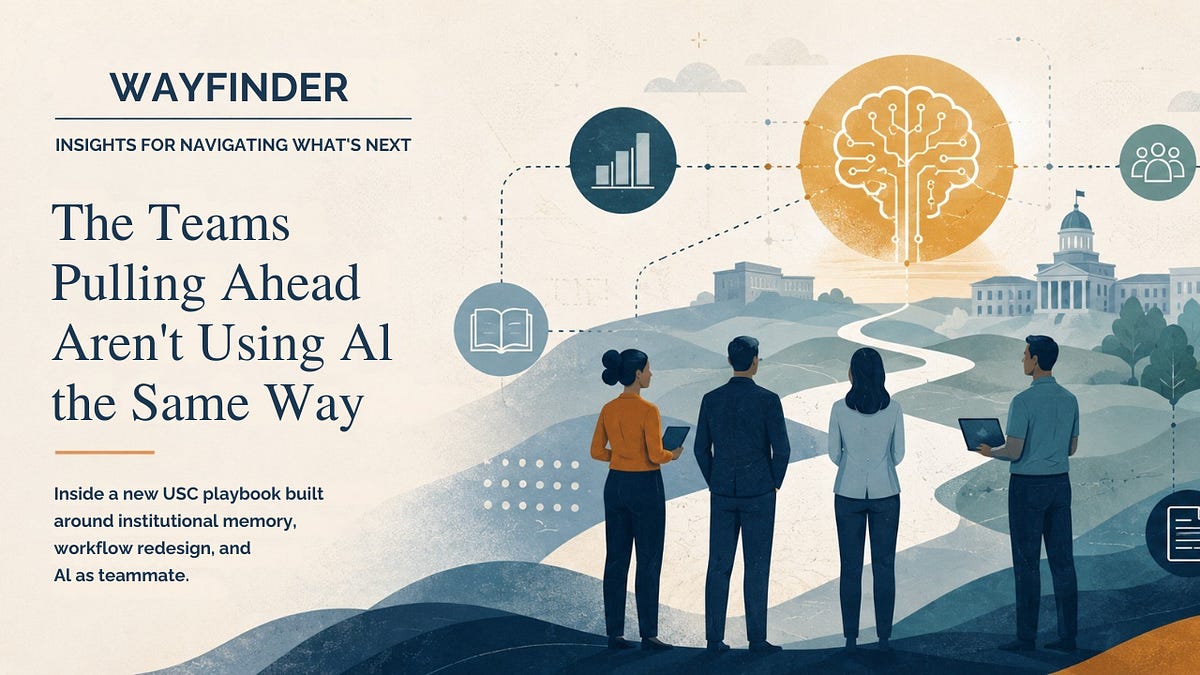
Leading Organizations Integrate AI Through Operational Redesign, Not Isolated Tools
The article discusses how leading organizations are moving beyond isolated AI use (individual prompts, chatbots) toward integrating AI as pa
 setsergroup.substack.com·2d ago
The agentic divide: How AI agents are creating a new economic inequality
The article discusses the rise of AI agents (built on large language models) and the emerging concept of "agentic inequality" — the divide b
 restofworld.org·4d ago