





















Security Alert: Litellm Versions 1.82.7 and 1.82.8 on PyPI Compromised - Sandboxing Limitations Discussed
By
dot_treo

An everything bagel for the brain. Substantive, layered, well-seasoned.
Summary
The article discusses a security incident involving compromised versions of Litellm (1.82.7 and 1.82.8) on PyPI, highlighting the importance of proper sandboxing practices in software security. It explores the limitations of software-based sandboxing and argues that true sandboxing requires external isolation mechanisms rather than relying on the software itself to implement security boundaries. The content examines different threat models for sandboxing, including isolating libraries, self-sandboxing for vulnerability protection, and process-level isolation for malicious software prevention.
Key quotes
· 4 pulledIf the whole point of sandboxing is to not trust the software, it doesn't make sense for the software to do the sandboxing.
That's true, sort of. I mean, that isn't the whole point of sandboxing because the threat model for sandboxing is pretty broad.
You could have a process sandbox just one library, or sandbox itself in case of a vulnerability, or it could have a separate policy / manifest the way browser extensions do (that prompts users if it broadens), etc.
There's still benefit to isolating whole processes though in case the process is malicious.
You might also wanna read

yt-dlp deprecates Bun support, limits to versions 1.2.11-1.3.14 over security concerns
yt-dlp is deprecating and limiting support for Bun as a JavaScript runtime due to compatibility and security concerns. Starting with the nex
 github.com·9d ago
The Hidden Complexity of Opening Files Across Security Boundaries
This article explores the complexity of opening files across security boundaries in software development. It contrasts the simple case for a
blog.sebastianwick.net·1mo ago
Keeper: A Cryptographic Secret Management Tool for Go Applications
Keeper is a cryptographic secret management tool for Go applications that provides secure storage for sensitive data. It uses Argon2id key d
github.com·1mo ago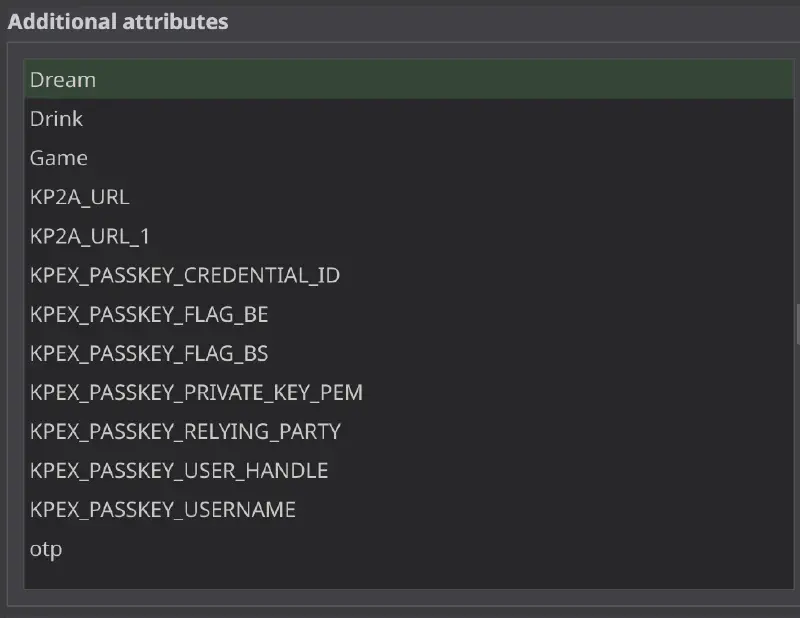
Analysis: Why KeePass Should Transition from XML to SQLite Database Format
The article argues that KeePass, a popular password manager, should transition from its current XML-based KDBX file format to using SQLite a
 mketab.org·3mo ago
User Experience: Migration from OpenClaw to SEKSBot for Secure Agent Development
The article discusses a user's experience with migrating from OpenClaw (Clawd Bot/Molt Bot) to SEKSBot, a secure fork of OpenClaw. The autho
 news.ycombinator.com·4mo ago
Why Python Cannot Be Sandboxed and Alternative Approaches: Firecracker, gVisor, and WASM
This article examines the fundamental challenges of sandboxing Python code and compares different sandboxing approaches. It explains why Pyt
gist.github.com·4mo ago