





















Secret Service tests facial recognition app "Sentry" despite privacy assessment stating it does not use such technology
By
Anthony Kimery

Hand-rolled, kettle-boiled, baked to perfection. Worth every minute at the bakery.
Summary
The U.S. Secret Service is field testing a mobile facial recognition app called "Sentry" with 25 Uniformed Division officers in Washington, D.C. This testing appears to contradict a 2024 Privacy Impact Assessment (PIA) which stated the Secret Service does not use facial recognition to surveil the public, does not use commercially provided services, and "does not have the capability and will not procure any device" for such analysis. No separate PIA for Sentry has been made public, raising concerns about transparency and potential privacy violations as federal biometric policing expands.
Key quotes
· 3 pulledThe U.S. Secret Service (USSS) has begun field testing a mobile facial recognition application called 'Sentry' that could be at odds with a 2024 Privacy Impact Assessment (PIA).
The nearly two-year-old PIA says the Secret Service Office of Investigations (since renamed the Office of Field Operations), 'does not use facial recognition technology to surveil the public.'
The PIA also states that the Secret Service does not use commercially provided services and 'does not have the capability and will not procure any device' to analyze facial recognition data.
You might also wanna read

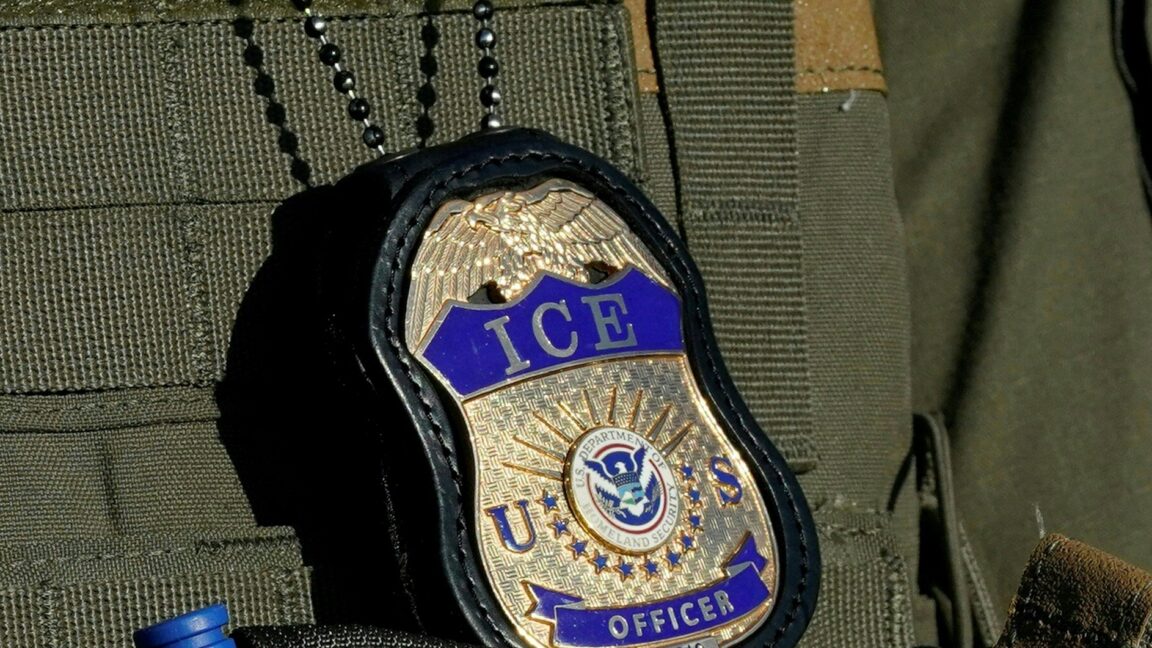
US Provides Local Police with Facial Recognition App Similar to ICE Tool
The article reports on a facial recognition app called Mobile Fortify that is being provided to local police departments by US authorities.
 arstechnica.com·7mo ago
ICE's Facial Recognition App Mobile Fortify Matches Faces Against 200 Million Images
ICE officers can use a facial recognition app called Mobile Fortify to instantly match faces against a database of 200 million images, retri
404media.co·11mo agoICE, CBP Knew Facial Recognition App Couldn't Do What DHS Says It Could

Border Patrol Agents Use Facial Recognition on Streets to Verify Citizenship
Border Patrol agents in Chicago are using facial recognition technology on the street to verify citizenship, stopping young men on bikes and
 404media.co·7mo ago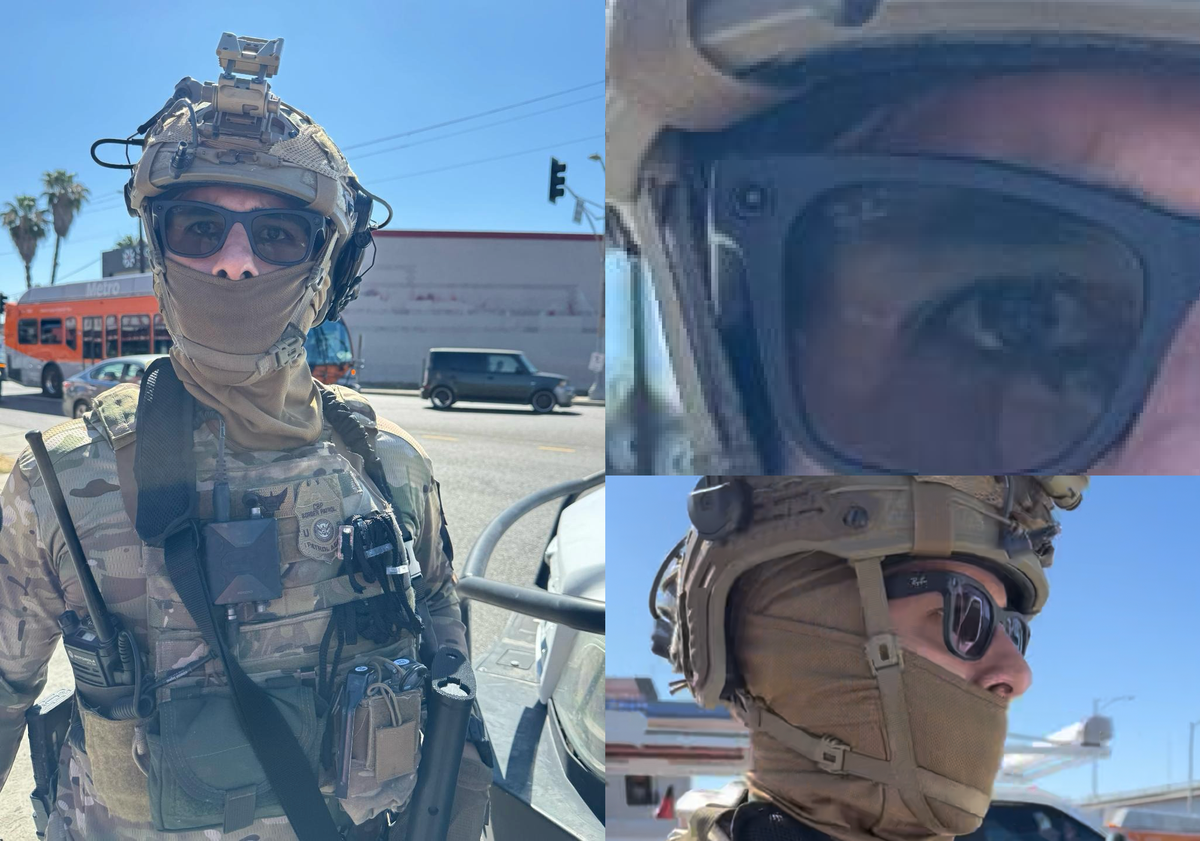
ICE Explores Smart Glasses to Enhance Facial Recognition for Citizenship Verification
Immigration and Customs Enforcement (ICE) is exploring the development of smart glasses to supplement its Mobile Fortify facial recognition
404 Media·1mo ago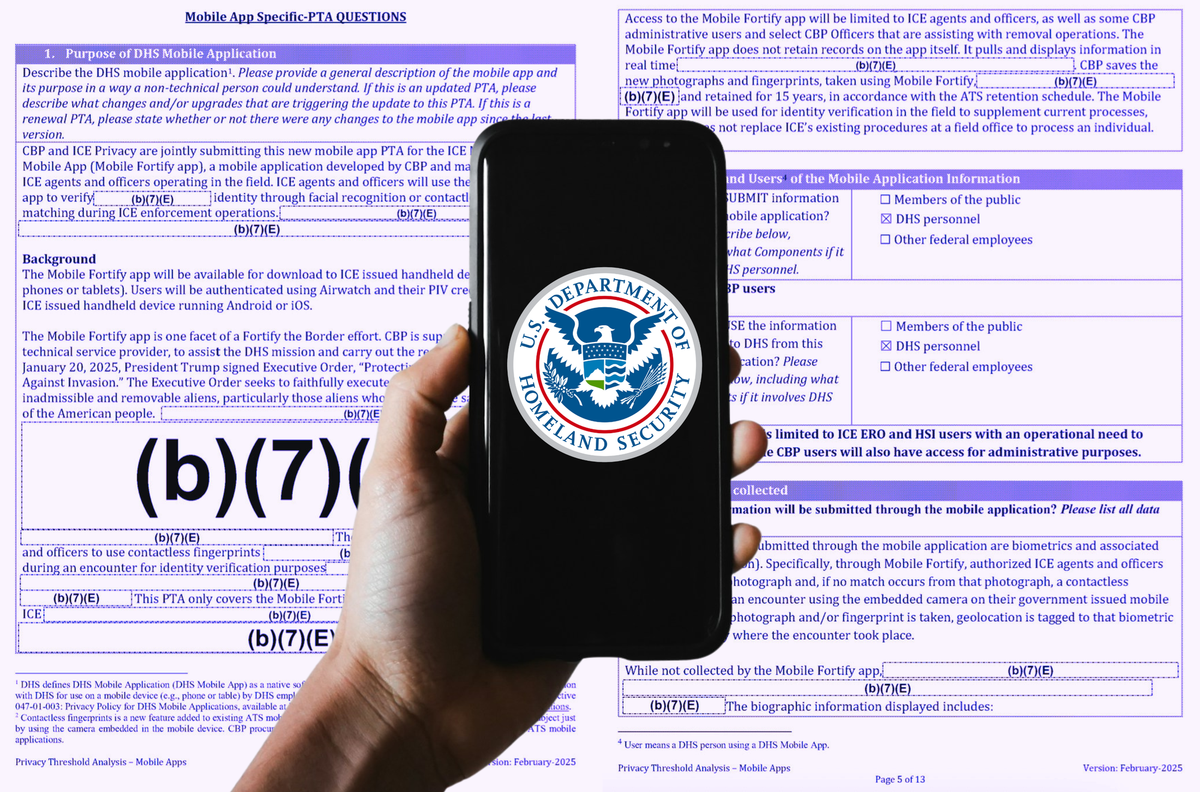
ICE Facial Recognition App Does Not Allow Users to Decline Scanning, Photos Stored for 15 Years
ICE's Mobile Fortify facial recognition app does not allow individuals to decline being scanned, according to internal DHS documents. The ap
404media.co·7mo ago