





















AI data center boom strains aging U.S. power grid as electricity demand surges

There's a fresh bagel in here somewhere. We couldn't find it.
Summary
The rapid growth of AI data centers is placing unprecedented strain on America's aging power grid. Load growth has jumped from under 1% annually to 4% at some grid operators. AI data centers could consume up to 9% of total U.S. electricity by 2030, adding over 150 terawatt-hours beyond grid design assumptions. Demand is concentrated in Virginia, Texas, and California. Over 2,600 gigawatts of proposed generation and storage are waiting to connect—more than twice current U.S. installed capacity—while interconnection queues have surged 50% to 150% in two years.
Key quotes
· 5 pulledLoad growth that historically stayed under 1% annually reached 4% at some grid operators last year, per Lawrence Berkeley National Laboratory.
Bain and Company projects AI data centers could reach up to 9% of total U.S. electricity by 2030, adding more than 150 terawatt-hours beyond grid design assumptions.
Pew Research Center reports about one-third of this new demand is concentrated in Virginia, Texas, and California.
Southwest Power Pool compared the surge to two large nuclear plants appearing on a grid with about 56 gigawatts of capacity.
By late 2024, LBNL counted over 2,600 gigawatts of proposed generation and storage waiting to connect, more than twice U.S. installed capacity.
You might also wanna read

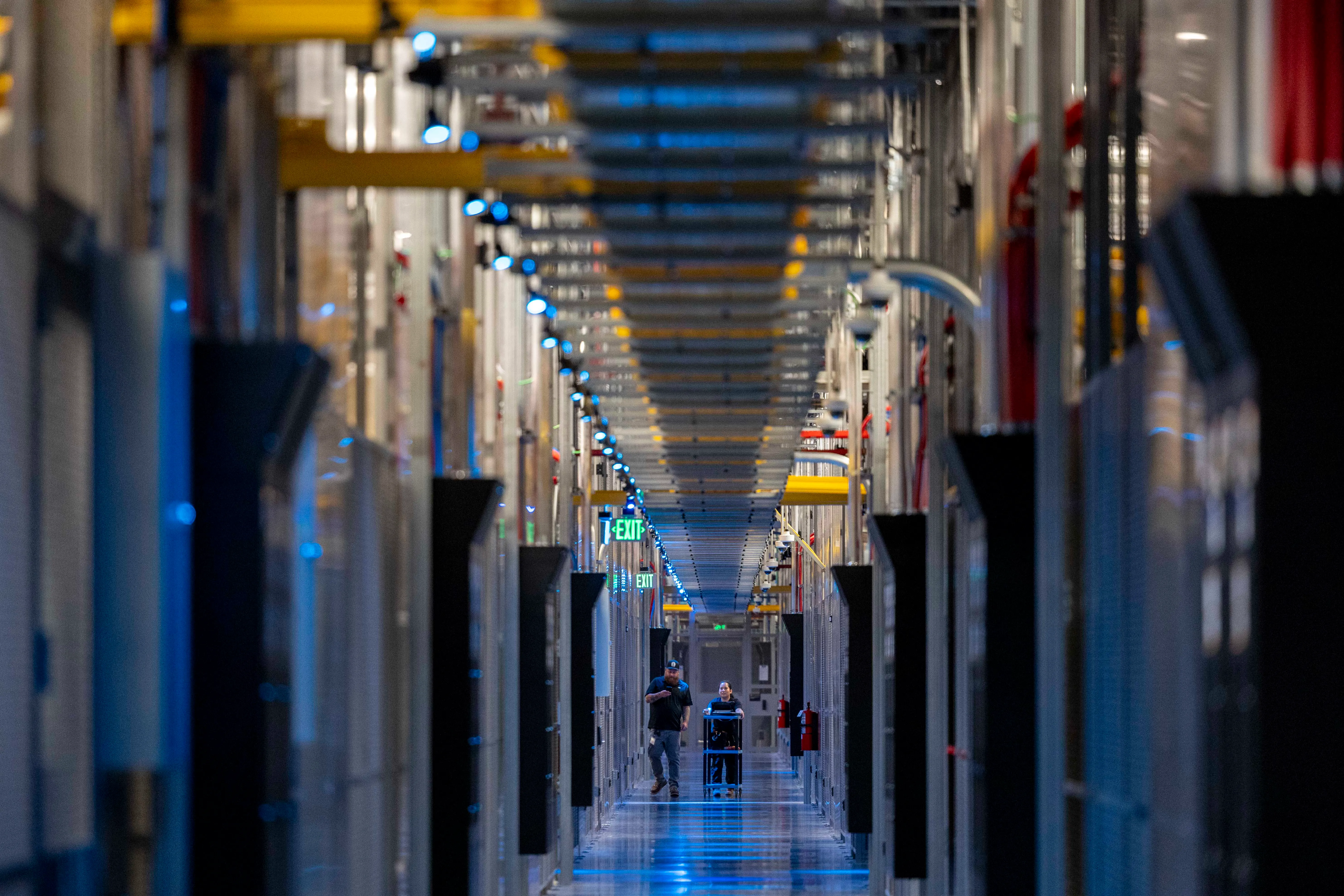
AI's Growing Energy Demand Puts Strain on US Power Grids Despite Potential Overestimations
The article argues that while concerns about AI's energy consumption may be exaggerated, the rapid growth in electricity demand from tech co
 The Verge·8mo ago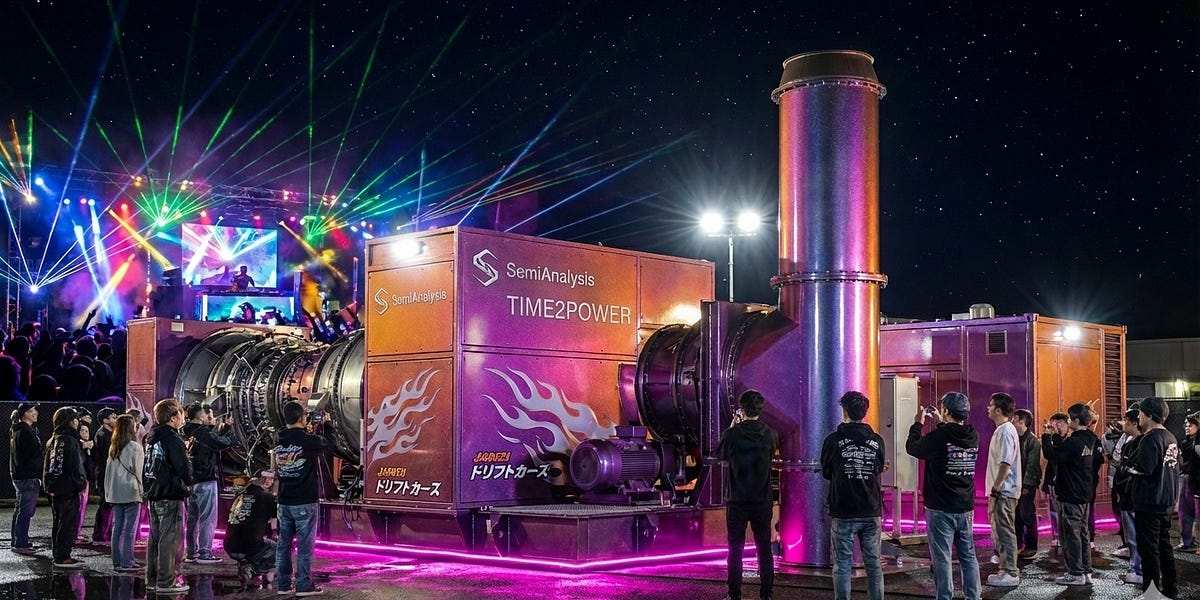
AI Data Centers Turn to Onsite Power Generation Amid Grid Capacity Crisis
The article analyzes the growing power crisis facing AI data centers and explores onsite power generation solutions as an alternative to tra
 newsletter.semianalysis.com·5mo ago
Data Center Expansion Questioned: AI Chip Weight Drives Infrastructure Challenges
The article discusses the rapid expansion of data centers globally, particularly in the US where they quadrupled from 2010 to 2024. It highl
The Verge·5mo ago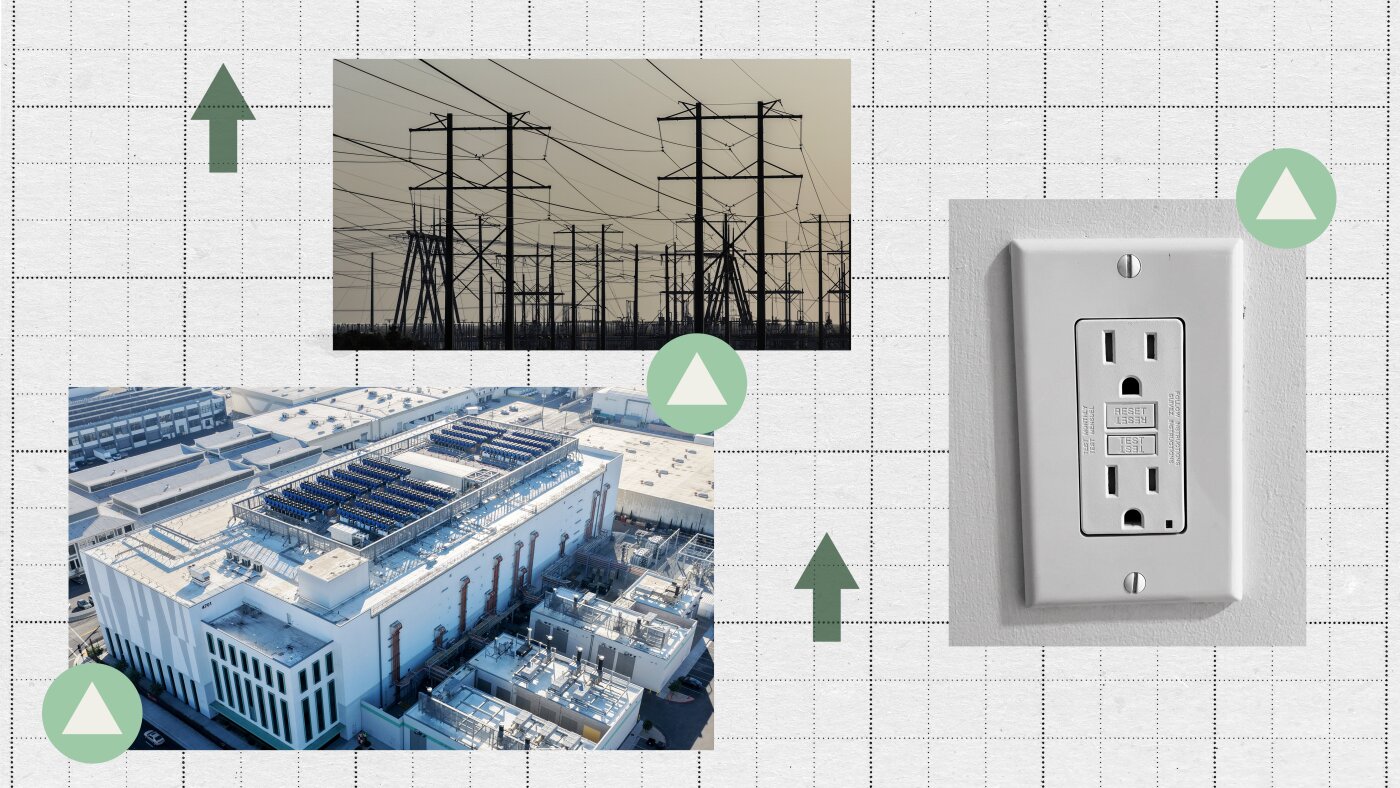
Electricity Prices Rise 40% Since 2020, With AI and Data Centers Contributing to Higher Costs
The article examines the significant 40% increase in electricity prices since February 2020, which outpaces the overall 26% cost of living i
 npr.org·7mo ago
Challenges Faced by America's Largest Power Grid Due to AI Consumption
America's largest power grid is facing strain due to the high power consumption of data centers and AI technologies, leading to a projected
reuters.com·11mo ago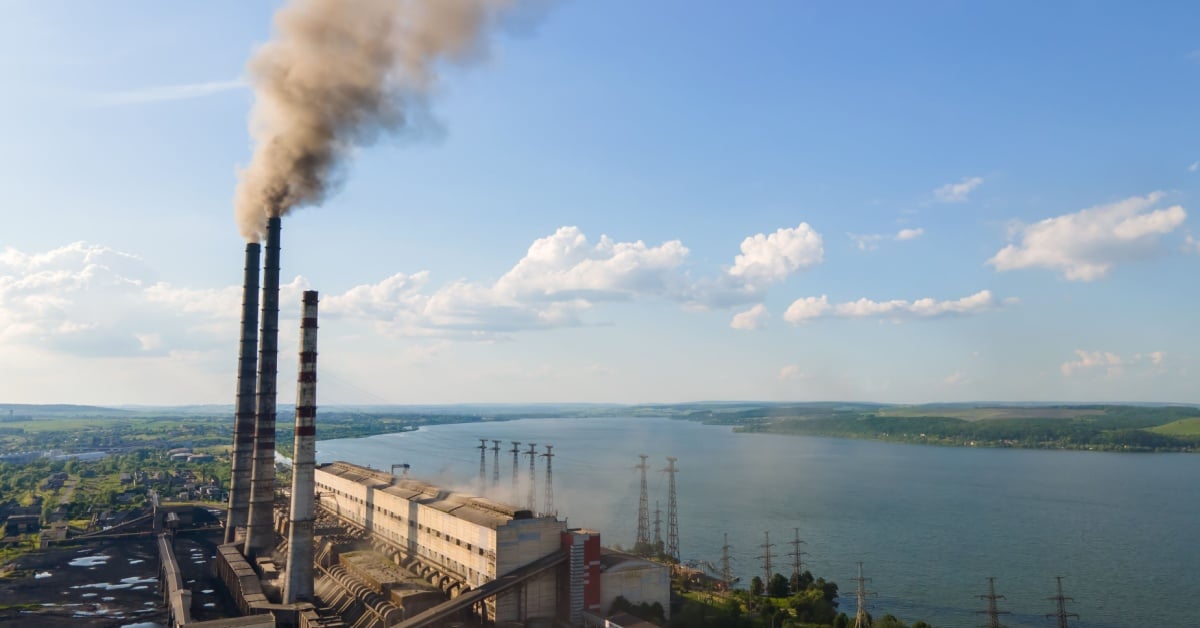
US Datacenters Shift to Coal Power Amid High Gas Prices and AI Demand Surge
US datacenters are increasingly turning to coal-powered energy due to high natural gas prices and surging electricity demand driven by AI an
 theregister.com·8mo ago