





















The History of Sabotage as a Labor Solidarity Tactic: Lessons from the 1913 Waiters' Strike
By
@InTheseTimesMag

A baker's-dozen of insight crammed into one ring.
Summary
This article explores the historical use of workplace sabotage as a labor organizing tactic, focusing on a 1913 strike by New York City waiters who used asafetida (a foul-smelling spice) to clear dining rooms. It examines how sabotage has been employed throughout labor history as a form of collective action and solidarity, and questions whether such tactics might be relevant again in today's labor movements.
Key quotes
· 3 pulledThe workers were on strike since New Year's Eve – their second city-wide walkout in six months – and the playful act of sabotage...
Striking waiters spent a week in January 1913 throwing fistfuls of asafetida in the fancy dining rooms of New York City hotels.
Workplace sabotage has historically been a powerful organizing tactic. Is the time ripe again?
You might also wanna read


Preacuerdo en Cataluña para cerrar el conflicto educativo: 2.726 millones en inversión, aumento salarial y más plantilla
Tras más de tres meses de huelgas educativas en Cataluña, sindicatos y el Departamento de Educación alcanzaron un preacuerdo que complementa
 social.elpais.com·1d ago
Rethinking History: How Incompetent Leaders Like Kaiser Wilhelm II Shape World Events
This article examines the "Great Man" theory of history (popularized by Thomas Carlyle) through the lens of Kaiser Wilhelm II, arguing that
 deadcarl.com·1d ago
US employers spend over $1.5bn annually on union opposition efforts, EPI report finds
A report by the Economic Policy Institute reveals that US employers spend over $1.5 billion annually on union opposition efforts, including
 theguardian.com·3d ago
US employers spend over $1.5bn annually on union opposition efforts, EPI report finds
A report by the Economic Policy Institute reveals that US employers spend over $1.5 billion annually on union opposition efforts, including
theguardian.com·3d ago
Migrant workers in Spain face worse labor conditions: more temporary contracts, night work, and dismissals
Foreign workers in Spain face significantly worse labor conditions than their Spanish counterparts, including higher rates of temporary and
 diario.publico.es·3d ago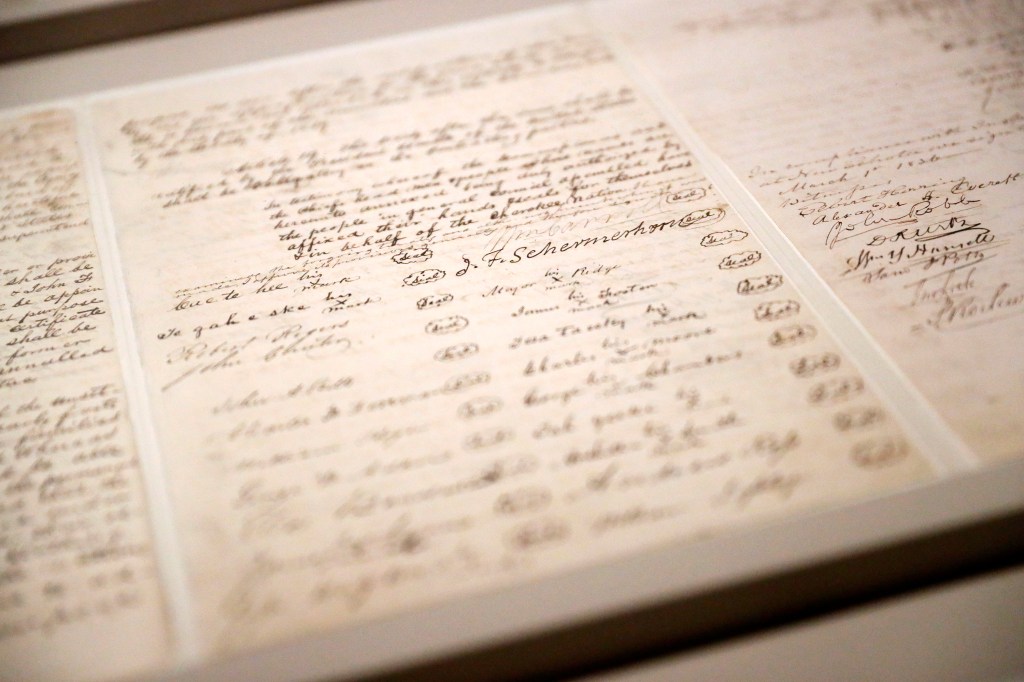
May 28, 1830: President Andrew Jackson Signs the Indian Removal Act
This article is a "Today in History" feature covering the May 28, 1830 signing of the Indian Removal Act by President Andrew Jackson, which
 chicagotribune.com·3d ago