





















Rousseau vs. Franklin: The Philosophical Debate on Identity and Behavior
By
HiPHInch

Tries hard. Doesn't quite make it out of the oven in one piece.
Summary
The article explores contrasting philosophical views on human nature and identity through the perspectives of Enlightenment thinkers Jean-Jacques Rousseau and Benjamin Franklin. Rousseau believed in an innate inner self of goodness that is corrupted by society, while Franklin viewed virtue as a habit formed through actions rather than an inherent essence. The core argument is that identity is defined by behaviors and actions rather than intentions or inner qualities.
Key quotes
· 5 pulledJean-Jacques Rousseau believed in the primacy of the inner self: a core of goodness constantly betrayed by circumstance.
For him there was no such thing as a good person or a bad person, only people who do good things and people who do bad things.
Virtue was a habit, not an essence.
The modern American self is best defined by two Enlightenment thinkers who never met but have been arguing in our heads ever since.
We begin pure and only fail because society, obligation, or expectation pulls us away from who we truly are.
You might also wanna read
Philosophical Quiz: Exploring German and Autistic Thinking Patterns
This article presents a philosophical quiz that humorously explores the question of whether one is 'German' or 'Autistic,' framing it as a d

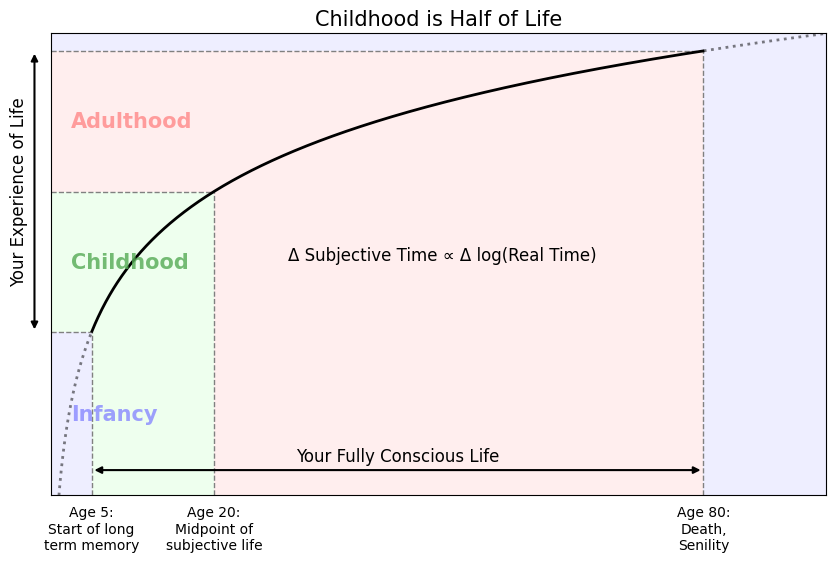
The Logarithmic Perception of Time: How Childhood Dominates Our Subjective Life Experience
The article explores the subjective experience of time across different life stages, proposing that we perceive time logarithmically rather
 moultano.wordpress.com·5mo ago
Aldous Huxley's MIT Lecture on Non-Pharmacological Self-Actualization Methods
The article discusses Aldous Huxley's final lecture in his 7-part MIT series, which explores non-pharmacological approaches to self-actualiz
 angadh.com·6mo ago
Three communication habits of emotionally intelligent people, according to a Harvard-trained researcher
Article discusses three key communication habits of emotionally intelligent people based on insights from Harvard-trained researcher Dr. Jen
 cnb.cx·2d ago
How to build genuine confidence by learning to trust yourself
A personal essay exploring how to build genuine confidence, challenging common misconceptions about what confidence means. The author reflec
 theguardian.com·4d ago
A.J. Ayer's Near-Death Experience: An Atheist Philosopher's Account of Clinical Death
This article features British atheist philosopher A.J. Ayer's account of his near-death experience, originally published in The Sunday Teleg
 philosopher.eu·1mo ago