





















Roark: Platform for Testing and Monitoring Voice AI Agents
By
Garry Tan

Properly proved. Has structure, has flavour, has a point.
Summary
Roark is a platform for testing, monitoring, and improving voice AI agents. It addresses common challenges in voice agent development by providing comprehensive monitoring with 40+ built-in call metrics including latency, instruction-following, repetition detection, and sentiment analysis. The platform supports calls with up to 15 speakers with automatic identification and analyzes audio for emotion and vocal cues. Roark also stress-tests agents with simulated callers across different accents, languages, and speaking styles, turning failed calls into tests for continuous improvement.
Key quotes
· 5 pulledWe built Roark - a platform that brings reliability and visibility to Voice AI
Capture 40+ built-in call metrics and events (latency, instruction-following, repetition detections, sentiment, etc.)
Support for calls with up to 15 speakers, with automatic speaker identification
Analyze audio with models for emotion, vocal cues
Build voice agents you can trust. Roark tracks call metrics, runs evaluations, and stress-tests your agent
You might also wanna read

Leaping AI Introduces Self-Improving Voice AI Platform
Leaping AI offers a platform for building voice AI agents in a multi-stage, graph-like format that enables easier testing and improvement. T
news.ycombinator.com·10mo ago

Cekura: Testing and Monitoring Platform for Voice and Chat AI Agents
Cekura is a Y Combinator-backed startup that provides testing and monitoring infrastructure for voice and chat AI agents. The company has be
news.ycombinator.com·2mo ago
Omnara Migrates from Claude Code CLI Wrapper to New Voice-First AI Agent Platform
Omnara is a platform (YC S25) that allows users to talk to AI agents from anywhere via web and mobile. The GitHub repository announces that
 github.com·9mo ago
OpenAI Releases Realtime API with Production Voice Agent Features and Advanced GPT-Realtime Model
OpenAI has made its Realtime API generally available with new production-ready features for voice agents, including support for remote MCP s
 openai.com·9mo ago
VoiceAI: A Developer's Learning Path for Building Real-Time Voice Agents
A curated, developer-friendly learning path for building real-time voice AI agents, covering the full stack from speech-to-text foundations
GitHub·29d ago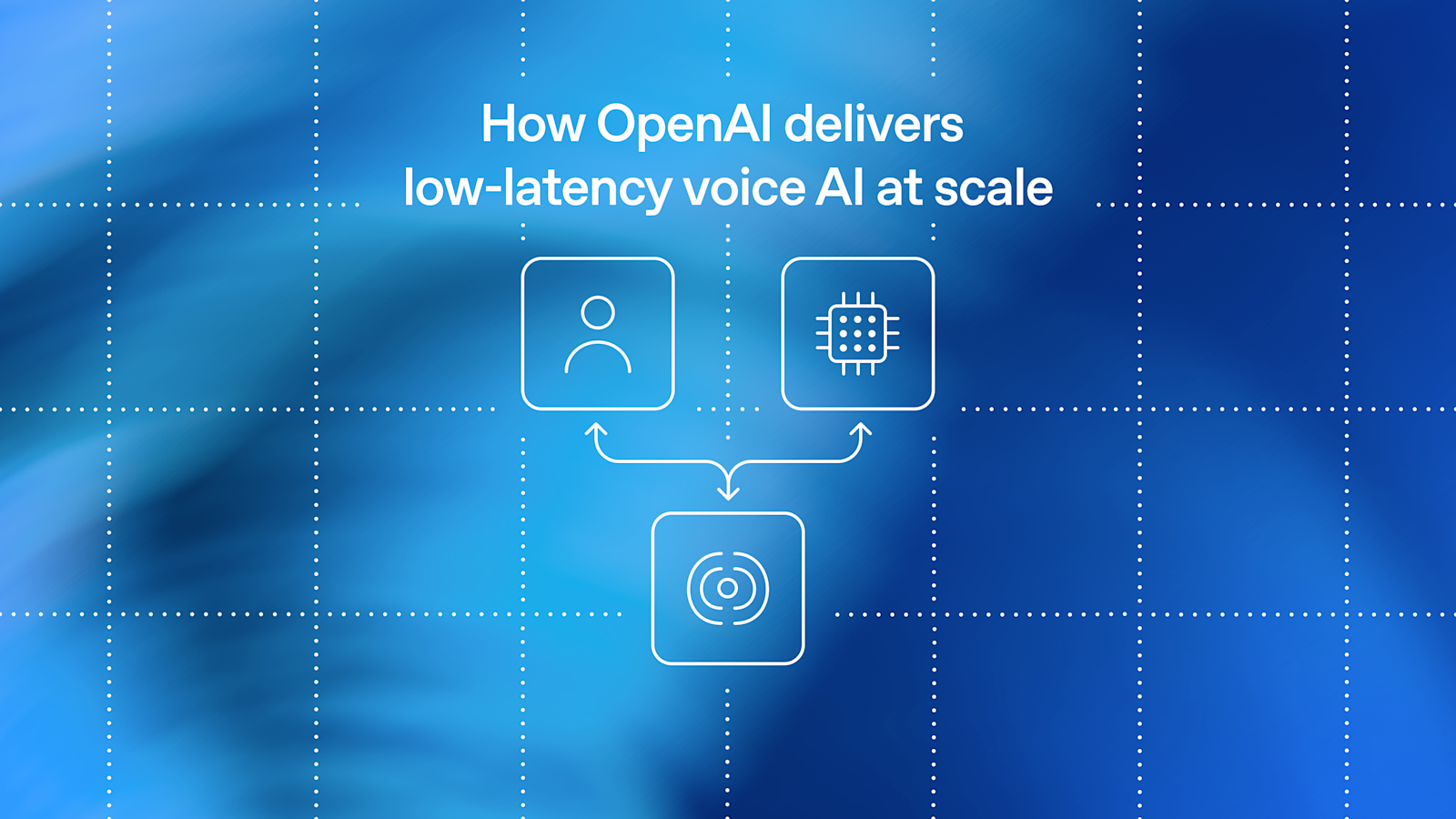
How OpenAI rebuilt its WebRTC stack for low-latency voice AI at scale
OpenAI rearchitected its WebRTC stack to address three key constraints for real-time voice AI: low-latency audio delivery, global scale, and
 OpenAI·27d ago