





















Critique of narrow representation in global conservation priority-setting initiatives
By
Karina L. Speziale1 Send email to [email protected]

Crackles when you bite it. Shows the baker did the work.
Summary
This article critiques global horizon scanning initiatives in conservation, arguing they suffer from narrow geographic and epistemic perspectives that overrepresent the Global North. The authors contend that current levels of inclusion are insufficient and merely symbolic, and they call for wider participatory approaches that integrate diverse knowledge systems into conservation priority setting. The piece provides constructive insights for designing more equitable and representative conservation frameworks.
Key quotes
· 3 pulledGlobal horizon scanning initiatives identify emerging conservation challenges and opportunities, yet they often reflect narrow geographic and epistemic perspectives.
We argue that current levels of inclusion are insufficient and symbolic, and we provide constructive insights to design wider participatory approaches.
Integrating diverse knowledge systems into priority setting fosters meaningful conservation outcomes.
You might also wanna read

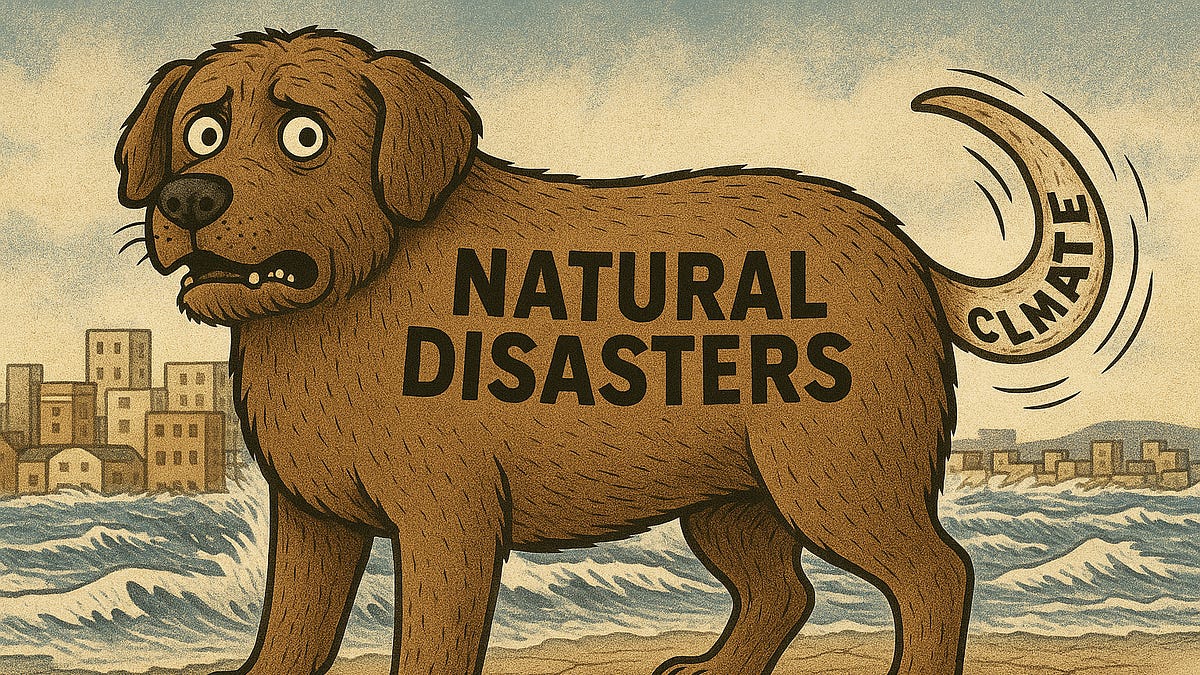
From Climate Catastrophism to Pragmatism: An Evolving Perspective on Climate Risk
The author reflects on his evolution from being a climate catastrophist to adopting a more pragmatic approach to climate change. He acknowle
 breakthroughjournal.org·7mo ago
Otters as Bioindicators of Estuarine Health: Research Gaps and Future Framework
This scientific synthesis article examines otters as bioindicators for estuarine health monitoring. It highlights how otters serve as integr
 emt.pensoft.net·3mo ago
The Coming Scarcity of Frontier AI Access
The article argues that the common belief in widespread, abundant access to frontier AI models is misguided. Contrary to the mantra that AI
 writing.antonleicht.me·26d ago
Permacomputing: Applying Permaculture Principles to Sustainable Digital Practices
This article introduces permacomputing, a framework inspired by permaculture ethics (Earth Care, People Care, Fair Share) that applies susta

Design Field Criticized for Excessive Self-Critique Instead of Addressing Socio-Political Crises
Design critic Susan Yelavich argues that the design field has become too focused on internal critique and self-examination rather than addre
 Dezeen·8mo ago
Public AI Models Already Possess Vulnerability Research Capabilities Similar to Anthropic's Mythos
The article challenges Anthropic's claim that advanced AI vulnerability research needs restricted access, arguing that public models already
 blog.vidocsecurity.com·1mo ago