





















Restoration of a 1990 Macintosh Classic Retro Computer
By
speckx

The kind of bagel that ruins lesser bagels for you.
Summary
Jeff Geerling documents the first part of restoring his Aunt's vintage Macintosh Classic computer from 1990. The article covers the technical specifications of this budget Mac model, which featured a 68000 CPU when newer models were using 68030 processors. It was originally priced under $1,000 as an affordable version of the Macintosh Plus. The restoration is part of a retro computer series, with plans to also cover an Apple II restoration in the future.
Key quotes
· 3 pulledThe Classic is a strange Mac—it was introduced in 1990 as a budget version of the 1986 Macintosh Plus
with a 68000 CPU in an era when the 68030 was the new hotness
It started under $1,000, but was a slig
You might also wanna read


Restoring a Rare Commodore C900 Unix Workstation Prototype
A talk documenting the author's successful effort to restore a rare Commodore C900 Unix workstation prototype from 1984. The C900 was a budg
 archive.fosdem.org·1mo ago
Nostalgic Reflections on 1980s Computer Hardware Diversity and DIY Cyberdeck Building
The article reflects on the unique personality and diversity of 1980s computer hardware compared to today's standardized, corporate-dominate
strangelyentangled.com·1mo ago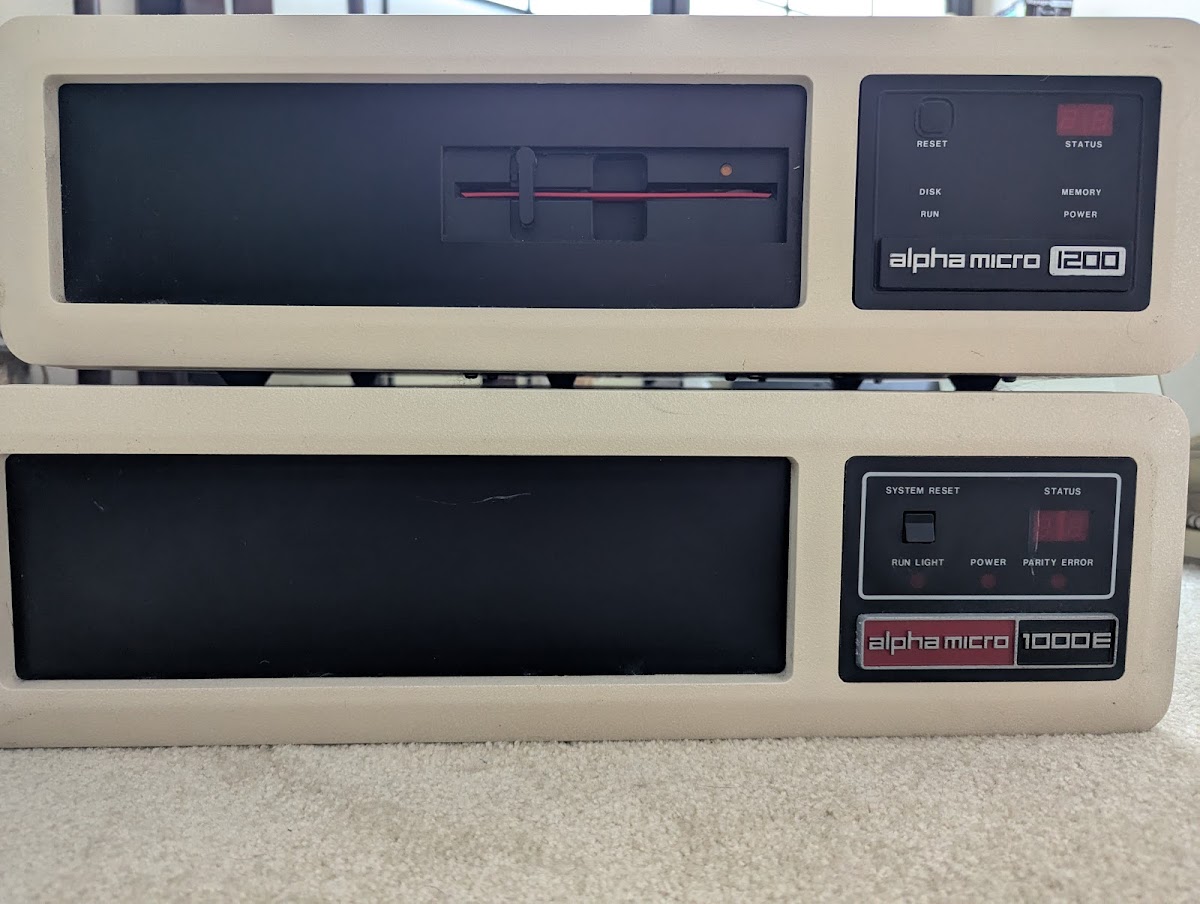
Refurbishing Vintage Alpha Microsystems Computers: AM-1000E and AM-1200 Restoration
The article describes the author's personal experience refurbishing two Alpha Microsystems computers (AM-1000E and AM-1200), which were soph
 oldvcr.blogspot.com·2mo ago
Retrospective on the Sun Microsystems Ecosystem of the Late 2000s
The article is a personal retrospective and exploration of the Sun Microsystems ecosystem from the late 2000s, written from the perspective
 osnews.com·6mo ago
Reverse-Engineering the HP1345A Digital Vector Display Character Generator
The article documents the author's technical project of reverse-engineering and fixing a vintage HP1345A digital vector display, specificall
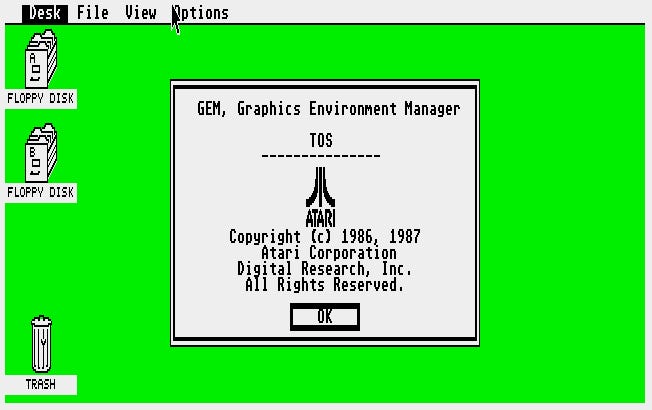
Personal Retrospective: Discovering the GEM Desktop Environment on Atari 520 ST in 1988
The article is a personal retrospective about the author's first experience with the GEM (Graphical Environment Manager) desktop environment
 nemanjatrifunovic.substack.com·8mo ago